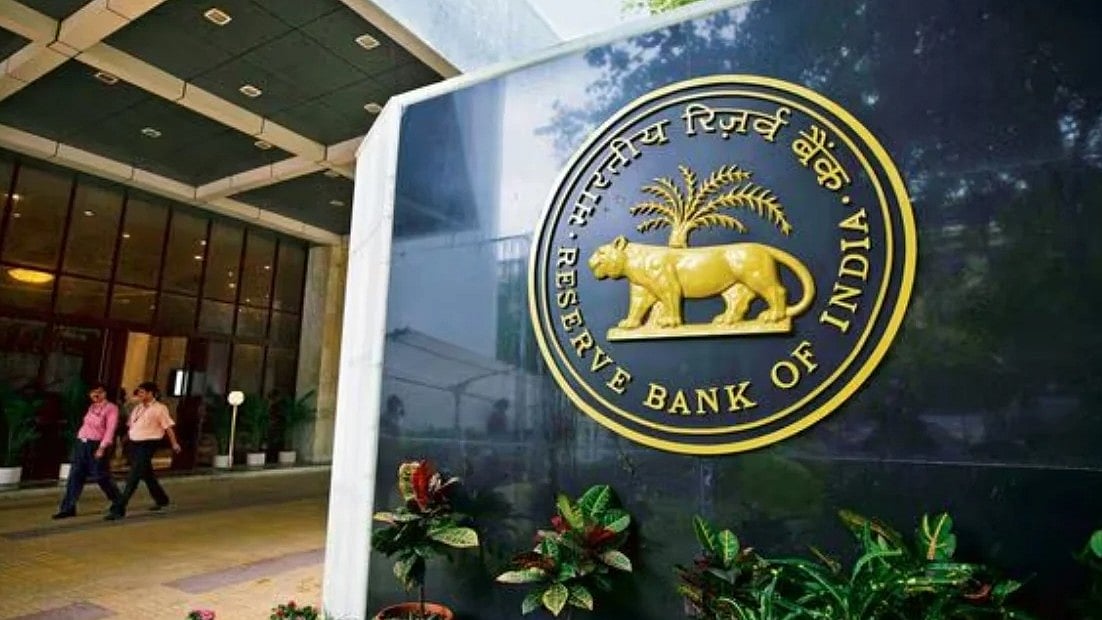
The Union Finance Ministry on Friday constituted a high-level committee to examine reforms aimed at strengthening India's banking sector and making domestic lenders globally competitive.
The High Level Committee on Banking for Viksit Bharat, announced by Finance Minister Nirmala Sitharaman in the Union Budget 2026-27, will recommend structural, regulatory and legislative changes.
Former Central Vigilance Commissioner Suresh N Patel will chair the panel, which has six months, until April 2027, to submit its recommendations.

Patel brings over three decades of banking experience, having served as Managing Director and Chief Executive Officer of Andhra Bank and executive director at Oriental Bank of Commerce.
Other members include Reserve Bank of India (RBI) Deputy Governor Shirish Chandra Murmu, former Indian Bank Managing Director Padmaja Chunduru and former RBI Deputy Governor NS Vishwanathan.
The Joint Secretary (Banking) in the Department of Financial Services will serve as member secretary.
Although banking consolidation is not explicitly mentioned in the panel's mandate, recent remarks by Shaktikanta Das, principal secretary-2 to the Prime Minister, have renewed attention on the need for larger financial institutions.
The committee will examine the priority sector lending (PSL) framework and Lead Bank Scheme to assess their effectiveness in delivering inclusive credit.
It will also consider data-driven lending practices and changing economic priorities.
In May, the Economic Advisory Council to the Prime Minister recommended directing priority sector credit more effectively towards small farmers, micro enterprises and weaker sections.
Another major responsibility involves assessing capital requirements across banks, development financial institutions (DFIs) and non-banking financial companies (NBFCs).
The panel will explore funding mechanisms to support sustained credit expansion.
Icra Vice-President Sachin Sachdeva said reviewing long-term capital needs and financing arrangements would be important for maintaining strong credit growth across financial institutions.

