
The Centre has expanded customs duty concessions for machinery and components used in electronics manufacturing as part of its efforts to strengthen domestic production and reduce dependence on imported finished goods. The revised exemptions will remain effective until March 31, 2029, and apply immediately to eligible imports.
The updated customs duty relief covers equipment used in key sectors including lithium-ion battery manufacturing, display production and wireless charging module assembly.
The move is expected to support industries linked to electric vehicles, advanced electronics and domestic technology manufacturing.
A major change has been introduced for lithium-ion battery manufacturing, with the government replacing the earlier machinery list with a much broader framework covering 85 categories of equipment.
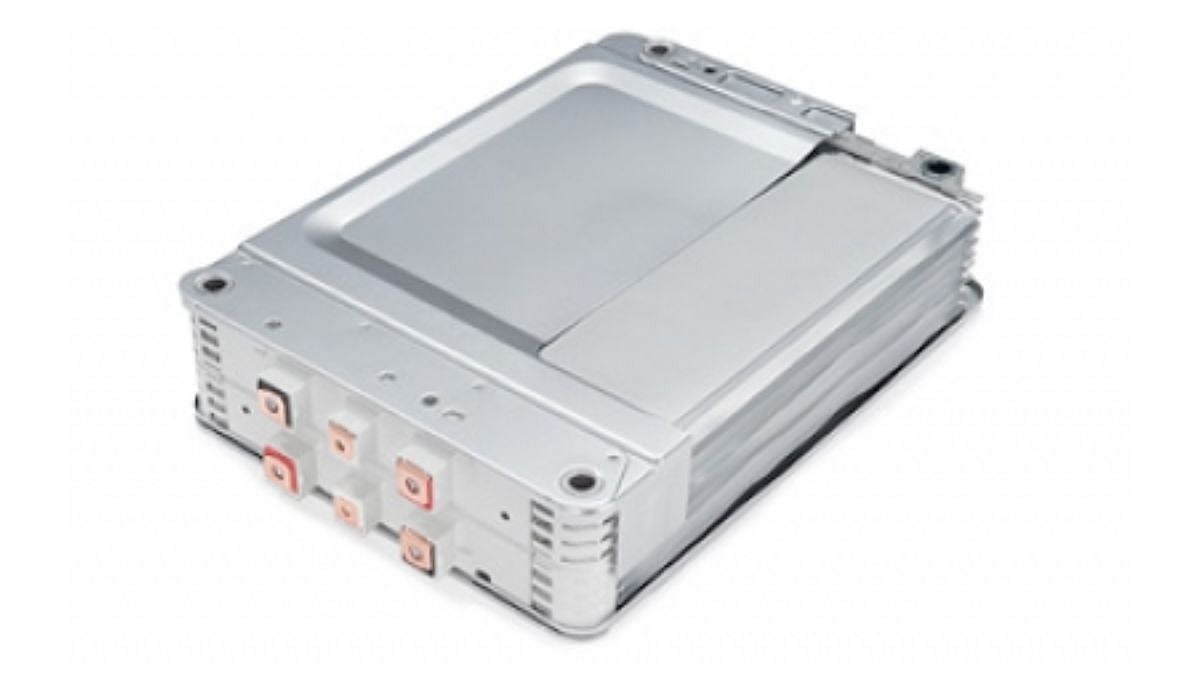
The expanded list covers nearly the entire battery production process, providing manufacturers with wider access to concessional import duties.
The eligible machinery includes equipment required for powder preparation, slurry mixing, coating, calendering, electrode processing, stacking, winding, electrolyte filling, laser welding, battery formation, ageing, testing, inspection and packaging.
The concession also extends to supporting infrastructure systems such as solvent recovery units, heat recovery equipment, dust collection systems and effluent treatment plants used during battery production.
To improve clarity for businesses, the Central Board of Indirect Taxes and Customs (CBIC) has assigned specific customs tariff classifications to each category of eligible machinery. This is expected to provide greater certainty to manufacturers seeking duty benefits.
In addition to battery manufacturing equipment, the government has continued customs duty relief on five important inputs used for display assembly manufacturing in automotive, medical and industrial electronics.
These include display cells, flexible printed circuit assemblies (FPCAs), backlight units, frames and anisotropic conductive film (ACF).
However, the exemption does not apply to display assemblies used in mobile phones, smartwatches, televisions, smart meters and interactive flat-panel displays.
The government has also extended duty concessions for six components required for manufacturing wireless charging inductor coil modules used in smartphones.
The approved components include nano-crystalline assemblies, E-shields, PET liners, PC shims, coils and neodymium magnets.
CBIC notifications have provided detailed technical descriptions of all covered machinery and components to ensure consistent interpretation at customs points.
Manufacturers importing these items will receive concessional duty benefits subject to prescribed conditions.
The move aligns with the government’s broader strategy to develop domestic capabilities in advanced electronics, battery manufacturing and electric mobility supply chains while encouraging investment in high-value manufacturing sectors.

