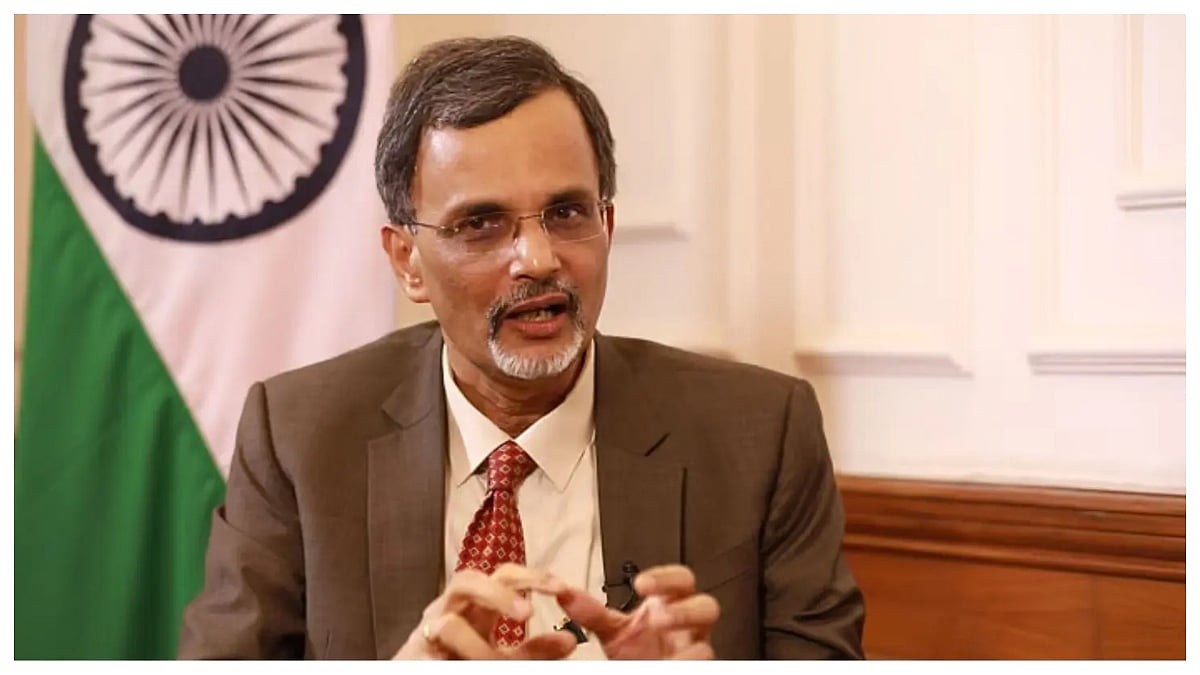
Chief Economic Advisor V. Anantha Nageswaran has called for a major shift in India’s employment and education priorities, stating that the long-standing preference for software jobs and MBA degrees is fading and that greater emphasis must now be placed on trade-based skills such as welding, plumbing, electrical work, and carpentry.
Speaking to ANI, he said India has historically failed to provide adequate respect and recognition to skilled manual professions.
He pointed out that countries like Switzerland, Germany, Japan, South Korea, and China accord high dignity to vocational trades, treating them as essential to economic development and social prestige.
“In this country, we give them little respect. If you are a welder, plumber, electrician, or carpenter, India doesn’t value it. We have made it unacceptable, unrespectable, and unfashionable. That needs to change,” he said.
Nageswaran argued that rapid technological progress and artificial intelligence are transforming labour markets globally.
He said that while earlier decades favoured software engineering, computer science, and management education due to globalisation, that phase is now weakening.

“The technological advance cannot take away your employability. You should equip yourself with trade skills. The era of globalisation-driven software and MBA dominance is over. The focus now is on trade skills and soft skills that AI cannot easily replace, where human presence is essential,” he said.
He stressed that India must address both unemployment and unemployability by building a workforce capable of working in sectors less vulnerable to automation.
According to him, significant job creation potential exists in manufacturing as well as service sectors such as caregiving, culinary arts, hospital support, sports education, elder care, and counselling for children with special needs.
“These are areas the world needs trained professionals in, not just India. They will not be impacted by AI. We must build employability in these sectors,” he added.
Nageswaran also noted that global economic fragmentation requires India to strengthen its manufacturing base and focus on skill development.
He described unemployment as a “livelihood problem” and said future policy must balance industrial growth with large-scale vocational training and human-centric job creation.

