The Bank of Japan (BoJ) has raised its benchmark overnight call rate by 25 basis points to 1.25%, marking the highest interest rate level in the country in more than three decades.
The decision, approved by a 7-2 majority vote by the central bank’s board, increased rates from the previous 1%. The BoJ said underlying inflation in Japan was approaching its 2% target, while financial conditions remained supportive.
BoJ signals caution over inflation risks
While raising rates, the central bank warned that inflation could potentially exceed its target.
It said policymakers would continue monitoring risks, including developments in West Asia, fluctuations in foreign exchange markets, artificial intelligence-related demand and their impact on economic activity and prices.

BoJ Governor Kazuo Ueda is scheduled to address the decision and his comments are expected to provide further indications on the pace and timing of future rate increases.
The latest move comes after Japanese Prime Minister Sanae Takaichi reshuffled her cabinet and pledged to focus on measures aimed at supporting economic growth.
Yen weakness and future rate outlook
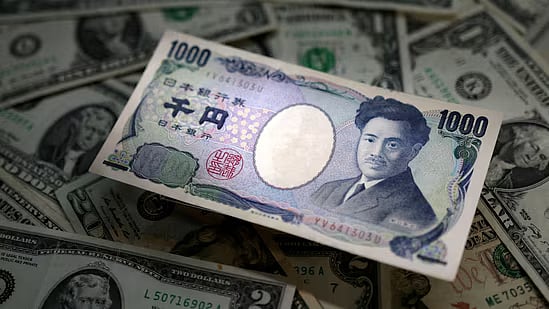
Despite the rate increase, the Japanese yen has remained under pressure against the US dollar and was trading at around 156.160 per dollar.
The currency weakened after recent economic data showed that Japan’s inflation in August came in slightly below market expectations, according to Reuters. However, swap market data compiled by LSEG showed an 83% probability of another BoJ rate increase, with markets expecting further quarterly adjustments.
The central bank’s latest action reflects its efforts to balance inflation management with economic growth concerns. Japan has moved away from years of ultra-low interest rates as policymakers respond to changing price trends.
Meanwhile, Brent crude prices have eased further and are trading below the $105 per barrel mark, offering some relief amid concerns over global inflation pressures.

