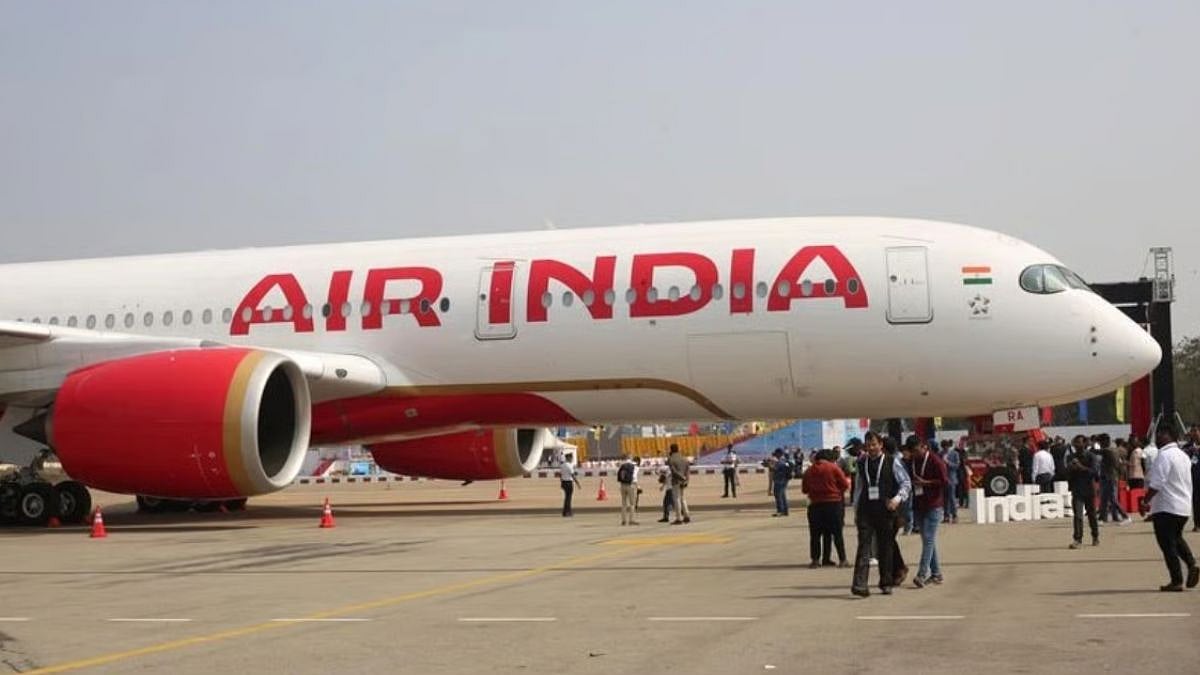
Mumbai, May 13: Air India has announced a sweeping rationalisation of its international flight network due to geopolitical and economic pressures.
The airline is significantly scaling back operations across five continents between June and August 2026, as the ongoing crisis in West Asia continues to throttle the commercial viability of long-haul travel. The carrier has temporarily suspended operations on five routes while reducing frequency by almost half on 22 routes.
On May 2, The Free Press Journal reported that Air India CEO Campbell Wilson had informed the airline’s employees in an internal communication that the carrier would reduce international operations in June and July due to rising operational costs, making multiple routes unprofitable.
On Wednesday, Air India confirmed that a combination of prolonged airspace restrictions — forcing lengthy and expensive detours — and record-high jet fuel prices has necessitated a surgical reduction in frequencies and the total suspension of several key routes.
North America and Europe routes affected
The most prestigious routes in Air India’s portfolio are among the hardest hit. In North America, the Delhi-Chicago service has been temporarily suspended, while the Delhi-Newark and Mumbai-New York (JFK) routes will also be paused.
To compensate, the airline is consolidating its New York presence by increasing service between Mumbai and Newark to daily. San Francisco, Toronto, and Vancouver will all see reduced weekly flights.
Europe, a region heavily impacted by the need to bypass restricted airspace, sees a dramatic 50% cut on the Delhi-Paris route, dropping from 14 to 7 weekly flights. Key destinations, including Copenhagen, Milan, Vienna, Zurich, and Rome, will all see their weekly schedules trimmed as the airline prioritises network stability over volume.
In Australia, connectivity to Melbourne and Sydney is being nearly halved, with daily operations reduced to just four flights per week.
Far East and Southeast Asia services reduced
The rationalisation extends heavily into the Far East and Southeast Asia. Service on Delhi-Shanghai, Chennai-Singapore, Mumbai-Dhaka, and Delhi-Male routes have been suspended through August. Even high-frequency commuter routes like Delhi-Kathmandu are being slashed, dropping from 42 weekly flights in June to just 21 by July.
Simultaneously, Singapore, Bangkok, Kuala Lumpur, Ho Chi Minh, Hanoi, Dhaka, and Colombo frequencies have been reduced to almost half of the current operations.
Despite these drastic measures, Air India maintains that the airline remains a global heavyweight by continuing to operate more than 1,200 international flights every month, including 33 weekly flights to North America and 47 to Europe, 57 to the UK, 158 to the Far East, Southeast Asia, and SAARC regions, as well as seven and eight flights per week to Mauritius and Australia.
Passengers offered refunds and alternate travel options
Industry analysts suggest that by cutting these unviable services now, Air India is attempting to prevent a contagion of delays across its network. By thinning the schedule, the airline can maintain a higher buffer of aircraft and crew, reducing the likelihood of last-minute cancellations that have plagued the industry during the current fuel spike.
For travellers caught in the crossfire of these cancellations, the airline has pledged a proactive assistance programme. It stated that affected passengers are being offered re-accommodation on alternative Air India flights, free date changes for future travel, and full refunds for those who choose not to fly.
Also Watch:
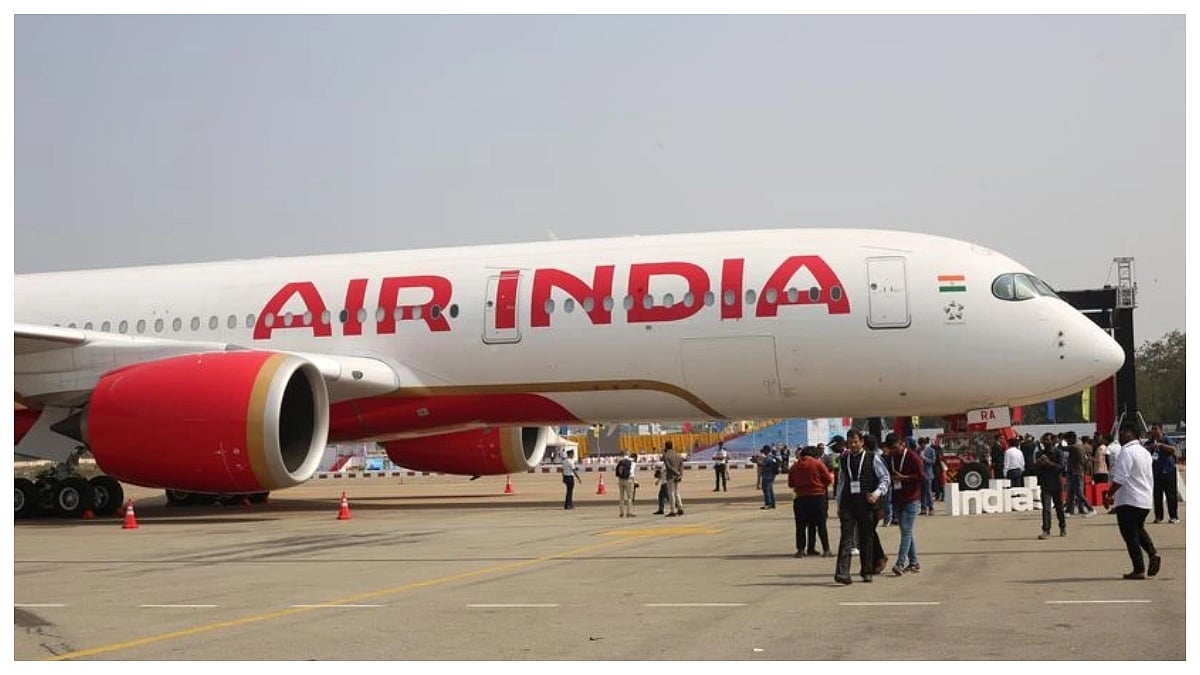
While the airline expressed a desire to restore full capacity as soon as conditions permit, it issued a sober warning that further adjustments to the winter schedule cannot be ruled out if the "extraordinary operating environment" in West Asia prevails.
To get details on exclusive and budget-friendly property deals in Mumbai & surrounding regions, do visit: https://budgetproperties.in/

