India’s wealth story is increasingly sophisticated. Portfolios are diversified, taxes optimised and risks modelled. Yet one element is persistently absent from the strategy sheet: succession. Legacy planning is treated as a cultural discomfort rather than a financial discipline. This is a serious oversight. A portfolio without an exit framework is not conservative; it is exposed.
Simplicity in life does not translate into simplicity in succession. Even modest estates can become administratively complex once intent is undocumented. Uncertainty, in financial systems, attracts delay and dispute
WHEN WEALTH MEETS PROCEDURE
A familiar pattern follows sudden bereavement. Decades of accumulated property, securities and insurance confront the machinery of administration. Accounts lack nominees, properties remain jointly held without clarity, records differ across institutions. Access is suspended. Documentation multiplies. Family members disagree. The assets remain intact, but their utility is trapped in process. The failure is not in investment judgement, but in the absence of instruction.

BEHAVIOURAL RISK, NOT LEGAL RISK
The reluctance to make a Will is rarely technical. It is behavioural. Investors postpone what feels uncomfortable. They assume spouses will manage, that nominations are sufficient, or that their affairs are “simple”.
These assumptions deserve caution. Simplicity in life does not translate into simplicity in succession. Even modest estates can become administratively complex once intent is undocumented, uncertainty, in financial systems, attracts delay and dispute.
A Will is not an emotional statement; it is a governance document. It specifies beneficiaries, proportions and authority. It appoints an executor whose task is implementation, not interpretation. Registration strengthens evidentiary value and reduces the scope for challenge or loss. Sensible preparation is limited but decisive: maintain an asset register, define beneficial ownership (and guardianship where relevant), and select an executor with both competence and independence. These are acts of risk control, not legal embellishment.

THE WIDER COST OF HESITATION
The absence of estate planning has broader consequences. Only a small proportion of Indians have any formal succession plan. Large sums remain unclaimed with banks and regulators, immobilised by unclear inheritance. This is not merely private inconvenience; it is capital rendered inactive by avoidable ambiguity. There are early signs of change. Registrations of Wills in major cities have increased in recent years, suggesting a gradual shift in behaviour among affluent households. The trend, however, remains uneven.
Wealth management is not complete at accumulation. Transmission is its second phase. Without legacy planning, assets are exposed to procedural risk: frozen accounts, delayed transfers and contested estates. A Will does not enhance returns, but it preserves outcomes. It converts intention into an enforceable order.
Investors devote years to building capital and minutes, if any, to deciding its destination. That imbalance is imprudent. Succession is not a sentimental addendum to finance; it is a control mechanism.

THE WILL AS BASIC GOVERNANCE
A Will is not an emotional statement; it is a governance document. It specifies beneficiaries, proportions and authority. It appoints an executor whose task is implementation, not interpretation. Registration strengthens evidentiary value and reduces the scope for challenge or loss. Sensible preparation is limited but decisive: maintain an asset register, define beneficial ownership (and guardianship where relevant), and select an executor with both competence and independence.
A Will should be approached with the same caution applied to asset allocation: deliberate, documented and periodically reviewed. It is not a concession to mortality. It is a measure of responsibility. In wealth management, the final risk is not market volatility. It is the absence of instruction.
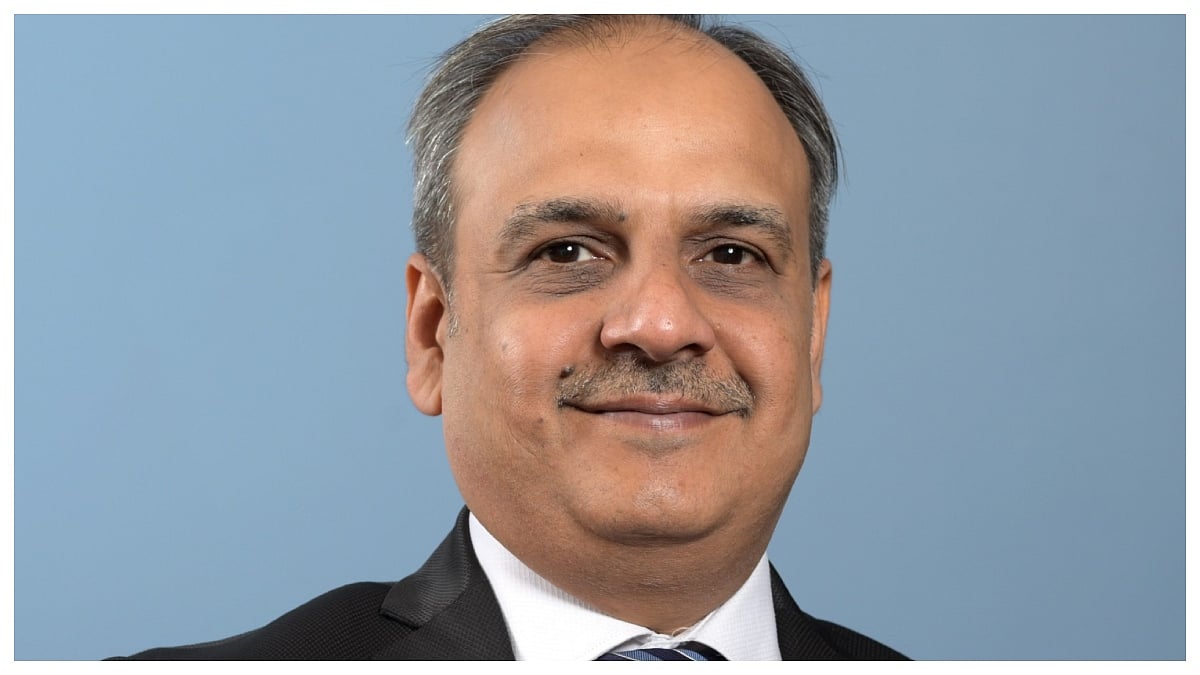
(By Vikas Satija- The author is MD & CEO of Shriram Wealth Ltd. Views expressed are for general information only and do not constitute investment advice or solicitation)

