Bhopal (Madhya Pradesh): I am an old-fashioned man in an old-fashioned shop... I have fallen behind the time, and am too old to catch it again —
Dombey and Son by Charles Dickens
Chowk Bazaar’s chequered past is cloaked in mystery. Before the Begums took over the reins of power, King Bhoj designed the area in the Swastika shape in the 11th century, but the story, without any historical evidence, looks irrational. The market, however, burgeoned during the 1800s and became famous for ‘Zarda, purdah, and garda’ (traditional scents, veils, and dust) during the rule of Begums.
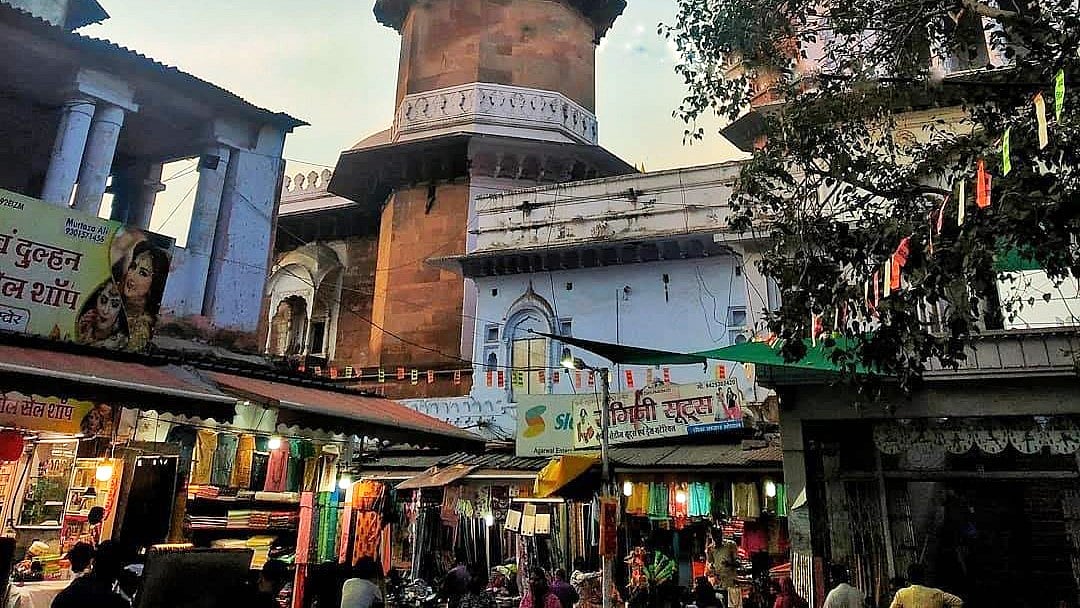
Chowk Bazar, located in the heart of Bhopal, is one of the most crowded areas in the city surrounded by a warren of alleys, but all Chowk areas across the country delineate the same scene.
The market, which lies near the Peer Gate and adjacent to Lakherapura and Ibrahimpura, is accessible through Hamidia Road. Although the Chowk Bazaar has lost its Nawabi charm after the New Market came up in the 1970s, it still bustles with activities, and hundreds of people go to the market famous for handicrafts and street foods.
The story of Chowk Bazar remains incomplete without a few words about the Peer Gate, one of the historical landmarks in Bhopal, which was once the entry point into the city. The gate, tricked out with intricate designs, is an epitome of the bygone era. It is more than a gateway where the vivid past mingles with the harried present. A visitor may stroll around the area in the early morning and delight in its beauty. The Peer Gate offers a sight of the Chowk Bazaar’s past.
Yet a visitor may be lost in the tangle of alleys and in the midst of the fragrance of biryani, kebabs, brewing tea leaves, biscuits, and flowers on sale. The shops in Chowk Bazar sell everything from handicrafts, spices, clothes, foodstuffs, grains, and all that one needs.
The handmade show pieces, well-designed wooden and stone figurines, and hand-woven fabrics draw the attention of a tourist. The spice market is incredible. The aroma, emanating from the freshly ground and whole spices, is a delight to a visitor, and he can buy any condiment unique to the region.
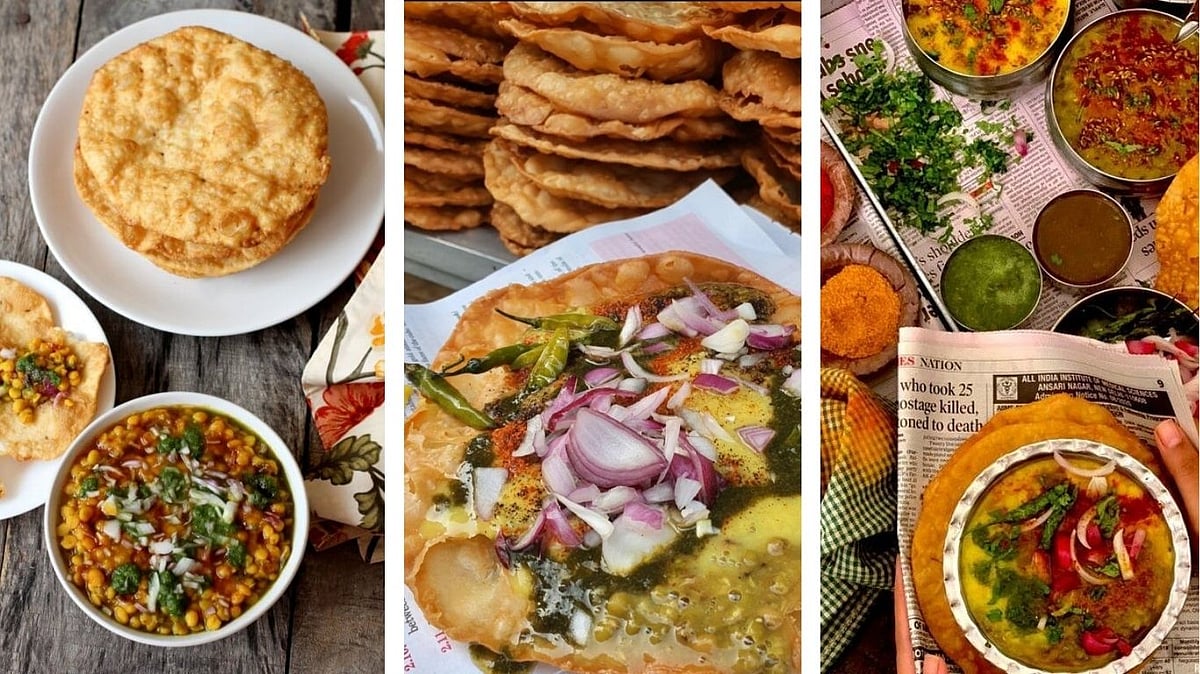
Chowk Bazar is a pivot of delicacies. In the maze of alleys, a tourist finds food outlets selling korma, Bhopali kebabs, and royal matar paneer, which fire up his appetite. Still, the Chowk Bazaar never disappoints those who have an affinity for sweets because there are desserts, including shahi tukda, malpua, lassi, and sherbet.
Bridal trousseau, jewellery, wedding bands, utensils, Chanderi saris, and Tussar silk are also available. But the special Bhopali Batua (wallet) is something that a visitor should not be oblivious to. About the market, the Bhopalis say, “What is not available in the Chowk Bazaar is not worth buying."
Imam Square near the Chowk Bazaar was the hub of activities in the 1800s. The area still cherishes its medieval charm with many buildings with woodwork and wrought iron galleries.
A wanderer cannot turn his eyes from the Jama Masjid, which came up in 1837 and still stands in the midst of the silver market and the Moti Masjid.
But the Chowk Bazaar is a market with a difference because it is the heartthrob of the City of Begums, where the past blends with the present, where friendly banter among the shopkeepers is a joy to the ears of shoppers.

