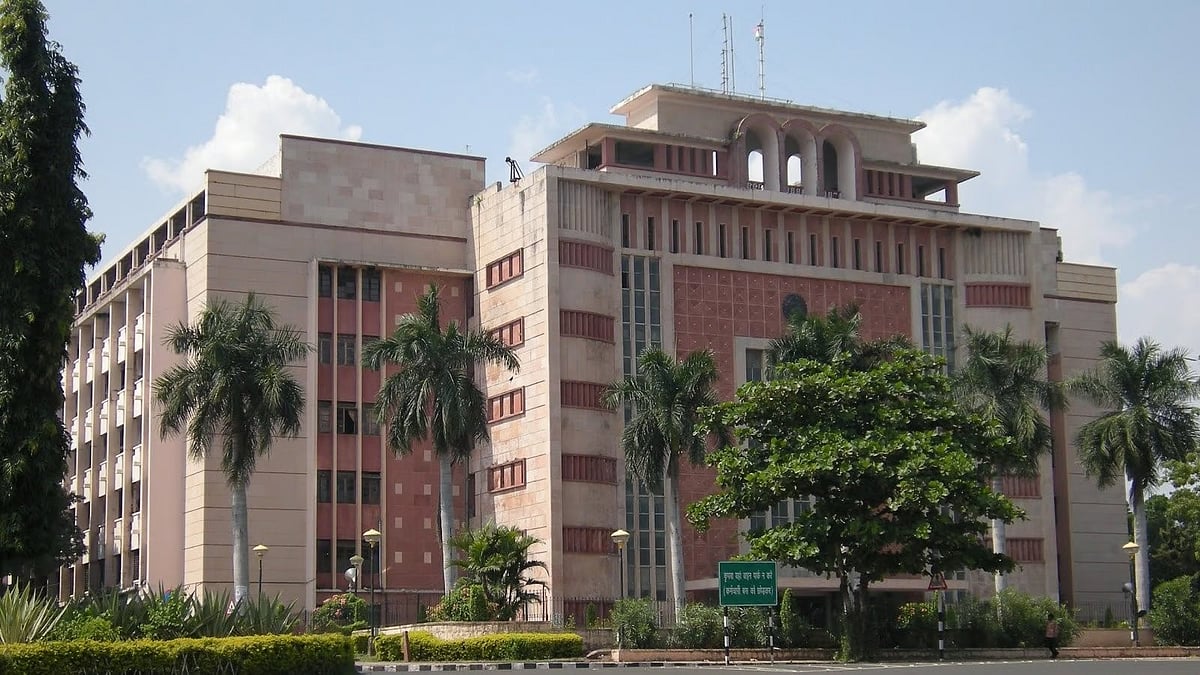
Bhopal (Madhya Pradesh):
Double whammy
A senior IAS officer, deputed to the centre, has recently received two shocks. He was holding an important position in the central government. In a recent administrative reshuffle, the central government conveyed him to the loop line. But his sudden transfer from the important position surprised many officers in the state bureaucracy. The government sent him to a department where officers generally avoid going. A dispute with a powerful politician led to his transfer. Because the central government always gave him important assignments, his sudden transfer from the department sent out the wrong message. Sahib had received the first shock after he failed to become the head of the state bureaucracy, though he coveted taking over as head of the state administration. Ergo, he spared no effort to achieve the goal. After the setback, his importance has declined in the central government.
State’s future?
The officers sees the future of the state in an officer posted to the central government. People in the corridors of power say the officer, deputed to the centre, may head the state administration in the future. Sahib stayed in the state for a long time during an event and also met several officers. A few of them wanted to know from him whether he would return to the state or not. He, however, said he had no wish to come back to the state. During the conversation between Sahib and a few officers, the possibility of his returning to the state as administrative head came up. The officer is in the central government's good books. The state government may adorn him with an important position. Moreover, the officer has a lot of time left for retirement, whereas his counterparts will retire before him. So, the claim of this officer to become the administrative head remains the strongest.
Feeling nervous
An IAS officer remains nervous after the change of the head of administration. The officer recently got a posting in an important department. He used his clout at the administrative level to join the department. After someone told Sahib that the new Bade Sahib dislikes him, he started getting edgy. The officer has begun to gather information about whether any change will take place in his department. He makes efforts to please Bade Sahib and some powerful people to keep his position. For some time now, no one has been able to stick around in the department where the officer works. Every officer had to leave the department for one reason or another. Now, the officer uses his resources to stay in the department to make money quickly.
Unfit for capital
An officer has reportedly started toiling to make a mark after moving to the state capital. A few recent incidents indicate that Sahib looks unfit for this place. When a heavy rain pummelled the city, he remained in his office instead of going to the field. He left his office late in the evening after people poured their anger through social media. His decision on closing schools due to heavy rain also incurred people's wrath, indicating his lack of understanding about which types of decisions Bhopal needs. The government brought him to the state capital because of the work he had done in the previous places of his posting. His style of working also pleased the head of state. But after the officer moved to the state capital, his influence seemed to have waned, and his efficiency stirred up discussions in the bureaucracy. To remain in Bhopal, the officer has started pleasing some politicians, too.
Signals of departure
The government may transfer a woman IAS officer, holding an important position in the state capital, in the coming days. Though Madam works sincerely, people in the corridors of power say she feels uncomfortable in Bhopal. She has faced one problem after another since her transfer. Thus, her tension deepens with each passing day, and she spends most of her time working out those issues. Her recent decisions over an issue have displeased the government. Because of her style of working, the officer has created an awkward situation for the government in the department where she works. Against this backdrop, the higher-ups may transfer her to another place. Nevertheless, by transferring the officer from the state capital, the government may give her the command of a district, for the number of female collectors has declined in comparison with the past after the recent transfer of officers. In this situation, the government may send her to a district as its collector.
Search continues
Four senior IPS officers will retire by the month-end. One of them heads a department important for the government, which continues to mull over posting someone in his place. People discuss the name of an IPS officer for the position, but they also say that he has little inclination to it. In this situation, they discuss the names of two officers of the same caste for the post. An officer, working outside, has shown interest in returning to the state capital. Accordingly, he wants the position. Because the chief minister has confidence in the officer, the government may offer him the post. The other officer holds an insignificant position these days, though he has always enjoyed plum postings. So, people in the corridors of power say the government may offer him the post. Now, the officers wish to know who secures the position considered close to the heart of the head of state.


