BHOPAL/BALAGHAT (Madhya Pradesh): Nine private Ayurvedic colleges have been derecognised in Madhya Pradesh for the 2026-27 academic session. There are 3,000 BAMS seats and 650 of them will be reduced.
This has been done due to regulatory non-compliance and infrastructure deficiencies. National Commission for Indian System of Medicine (NCISM) has cancelled the recognition. There are 39 Ayurvedic colleges in MP, including seven government Ayurvedic colleges.
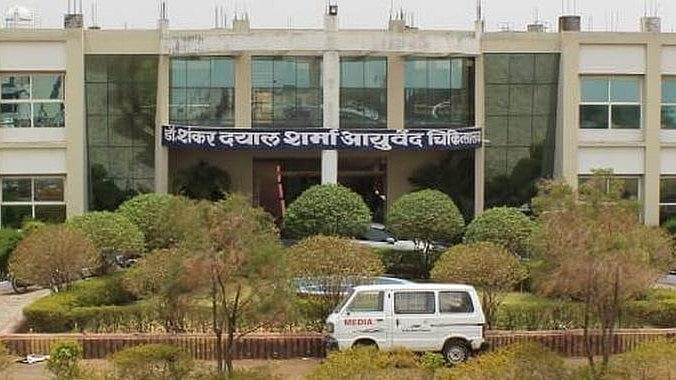
The colleges in Madhya Pradesh that have been derecognised include Rajiv Gandhi Ayurvedic College and Hospital (Shahpur, Bhopal); Veena Vadini Ayurvedic College and Hospital (Akbarpur, Kanha Kunj, Kolar Road, Bhopal); Parashar Ayurvedic Medical College and Hospital (Narsinga Road, Parvalia, Bhopal); Dr Shankar Dayal Sharma Ayurvedic College (Bhopal-Indore Bypass Road, Bhopal); Department of Ayurveda and Community, IES University (Ratibad Main Road, Bhopal); School of Ayurveda and Siddha Studies (Panchama, Sehore); and Om Ayurvedic Medical College and Hospital (Jamthi, Bharat Bharati, Betul).
The Commission's decision to deny permission to the colleges has raised concerns regarding the future of students seeking admission to the BAMS course, particularly for those who have already enrolled or are preparing to enrol for the 2026-27 academic session.
This action revealed that while the appointment of doctors was recorded on paper, they were not actually present at the institutions, raising questions regarding the faculty arrangements.