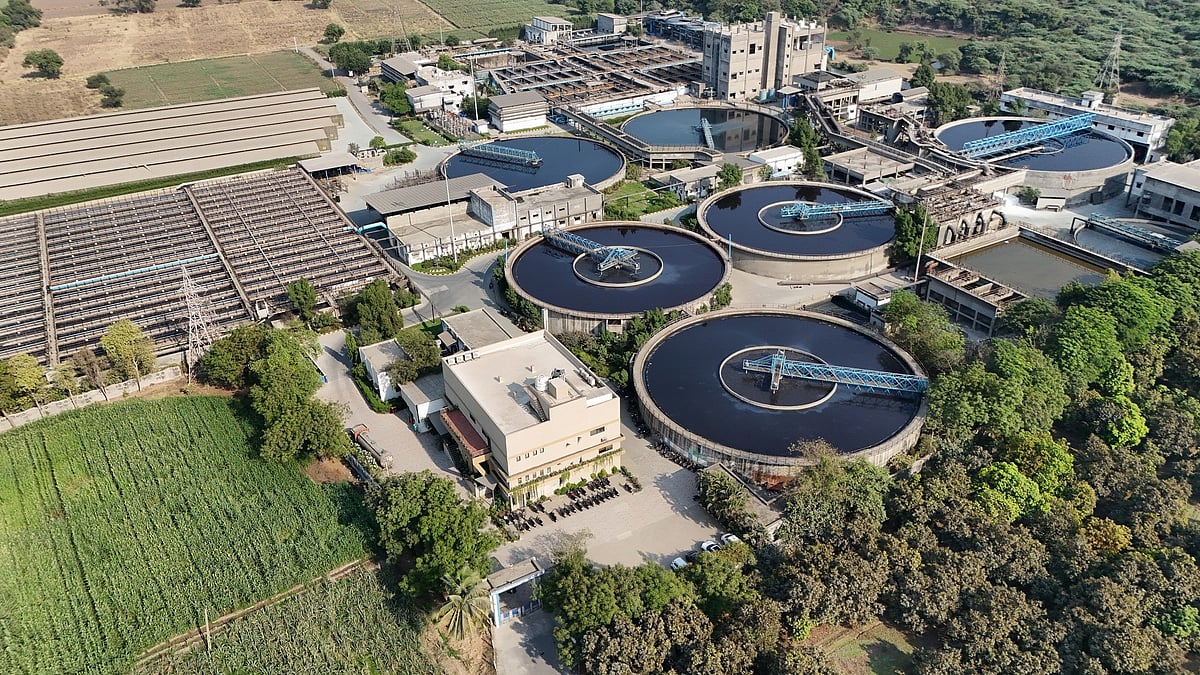
Bhopal (Madhya Pradesh): Urban Development and Housing Department has come up with State Level Policy draft for recycle and reuse of treated wastewater 2026, with the objective to minimise fresh water use and cent per cent treatment of collected sewage.
Other non-potable uses
The policy insists on using Treated Used Water (TUW) in place of fresh water in Navratna companies, public sector units (PSUs), power plants, ordnance factories, railways, bus stations, public works departments, National Highways Authority of India (NHAI), MP Road Development Corporation, water resources department, MP Industrial Development Corporation and other government agencies for their operations and non-potable water demand.
Water swap model for agriculture and industry
This business model reallocates freshwater from agriculture and industries to urban and rural domestic use in exchange for Treated Used Water (TUW) within the same basin. It requires engaging multiple partners, incentivising TUW and users.
The government has sought suggestions from experts in this regard. The policy envisages achieving 20% use of TUW by 2027, achieving 30% use of TUW by 2030 and achieving 50% use of TUW by 2037.
For improving biodiversity and managed aquifer recharge
Treated Used Water (TUW) can be used for landscaping, parks, rejuvenation of wetlands, lakes and ponds to improve biodiversity within and around urban and rural centres.
The policy defines the roles and responsibilities of key stakeholders including State High Powered Steering Committee, State Level Technical Cell, urban local bodies, Panchayati Raj Institutions, special purpose vehicles for planning, implementation and enforcement.
Agriculture & irrigation
TUW should be used for agriculture-cum-irrigation purposes provided surplus quantity is available after meeting the demands of the above-mentioned uses.
Water Resources Department should develop a suitable water grid for distribution of TUW from the sewage treatment plant located in the vicinity of irrigation fields.
Implementation approach
Considering the varying levels of sewerage infrastructure and operational readiness across the urban local bodies (ULBs), phased and progressively increasing wastewater reuse targets have been established.
These timelines have been structured into short term (one year), medium term (2-3 years) and long term (5-10 years).
Enforcement
Enforcement of mandatory use of TUW should be undertaken by state government. Users mandated to use TUW shall not be granted fresh water except as provided under the policy.
Existing freshwater allocations or reservations to such users should be withdrawn in a phased manner. Industries may fund the establishment of tertiary treatment plants.