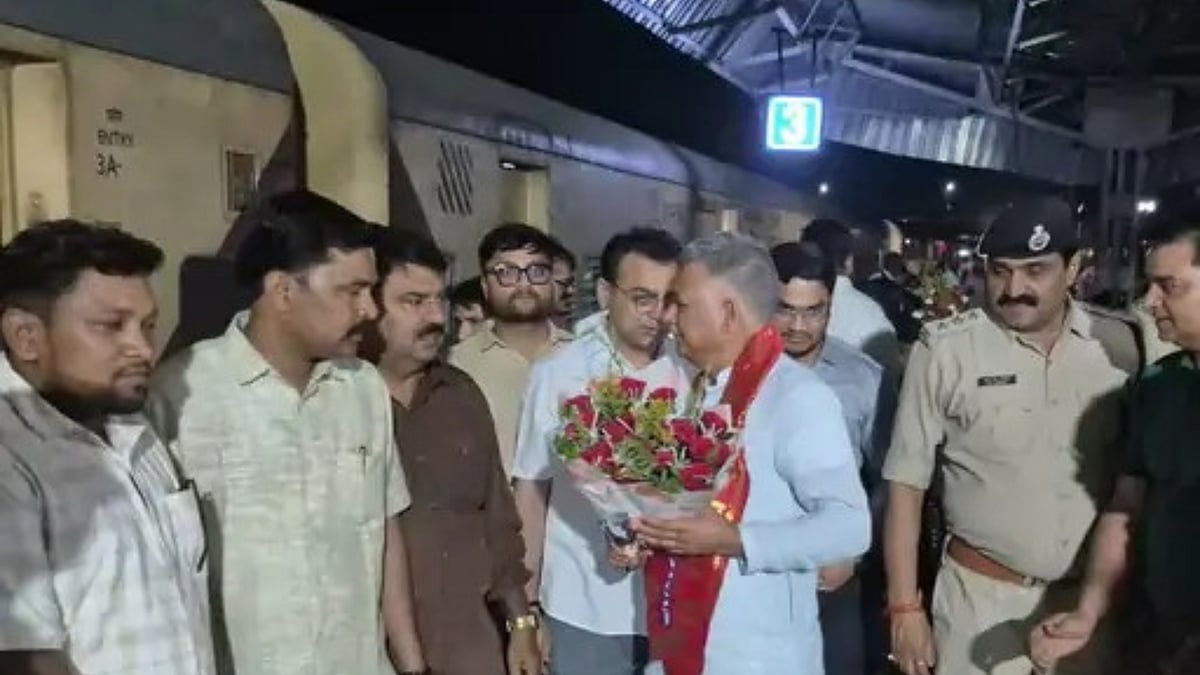
Bhopal (Madhya Pradesh): Acting on Prime Minister Narendra Modi’s 'save fuel' appeal amid ongoing US-Iran tensions, Damoh district in-charge minister Inder Singh Parmar took a train to visit his district.
He took Rajrani Express n Wednesday night to reach Damoh.
He said he strongly agrees with Prime Minister Narendra Modi’s and is actively making efforts to save fuel and foreign exchange.
Speaking to the media, Parmar said the Prime Minister’s appeal is aimed at protecting the country’s interests.
He urged people to support the call and use resources carefully. He also cited former Prime Minister Lal Bahadur Shastri’s example during a crisis, when people were asked to observe a fast.
Minister to attend development programme
On arrival, BJP leaders welcomed him, while the Collector and SP greeted him at the Circuit House.
The minister is in Damoh will to a programme and inaugurate an additional barrack at the district jail.
‘Avoid buying imported gold’
Minister Parmar further said the ongoing conflict between Iran and the US has raised concerns about the availability of fuel like petrol and diesel.
He added that India depends on other countries for fuel, and supply challenges are increasing.
Parmar said the Prime Minister has appealed to reduce imports to save foreign exchange.
He also advised people to avoid buying imported gold, though purchasing gold available within the country is not restricted.
He further urged citizens to use public transport and reduce unnecessary fuel consumption.
Parmar said he himself tries to limit vehicle use and called on everyone to cooperate for the nation’s benefit.
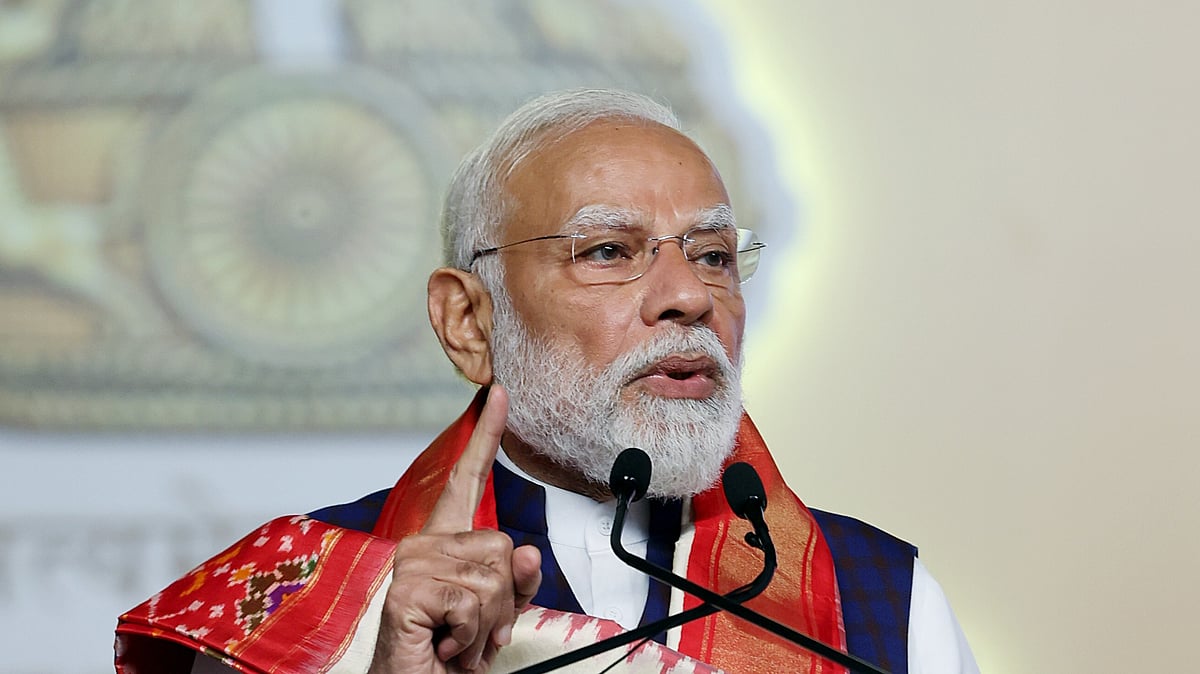
What were PM Modi’s 7 appeals?
In view of the West Asia crisis, Prime Minister Narendra Modi made the following appeals to the public -
Use public transport & carpooling to reduce fuel consumption and save foreign exchange.
Avoid foreign travel for one year to cut unnecessary spending abroad.
Limit destination weddings abroad to reduce foreign expenditure.
Reduce excessive gold purchases, especially imported gold.
Revive work-from-home practices to save fuel and resources.
Cut down edible oil consumption to reduce import dependence.
Promote ‘Vocal for Local’ and organic farming, reducing reliance on imported fertilisers.