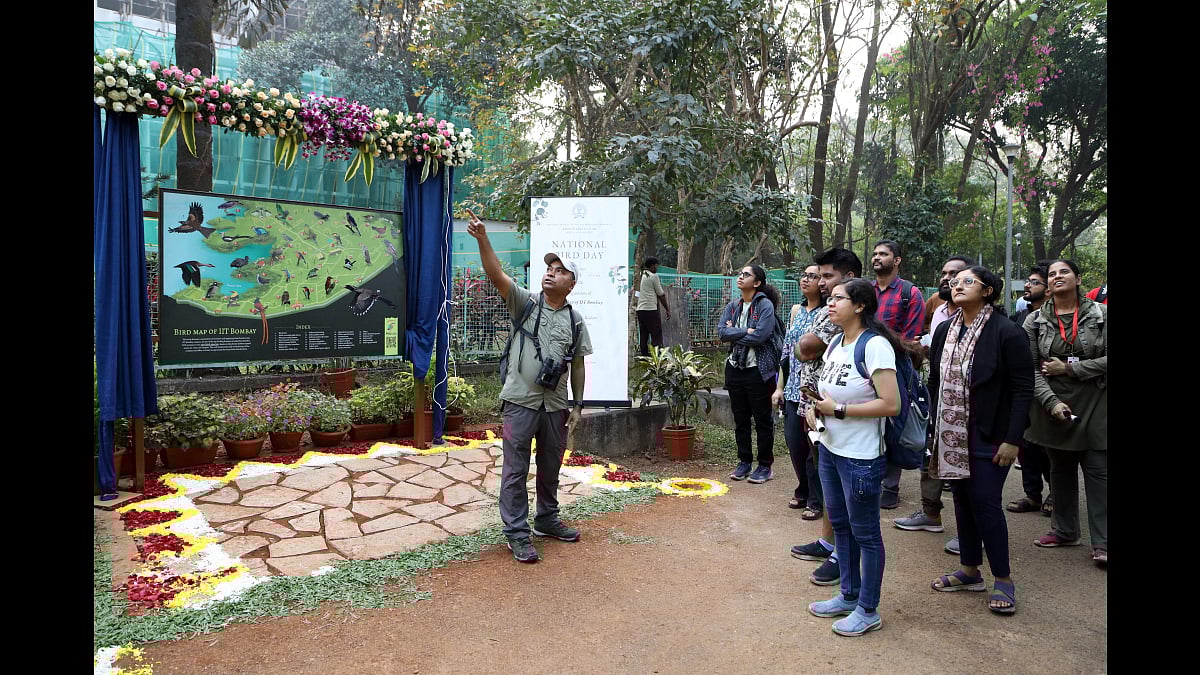
Adesh Shivkar, 50, has spent nearly two decades insisting on a simple idea: nature tourism is not leisure, it is education.
In 2007, Shivkar left a career in the pharmaceutical industry to found Nature India Tours, turning a boyhood passion for birding into a lifelong pursuit. At the time, wildlife travel in India was limited, expensive and geared largely towards foreign tourists, offering little beyond tiger safaris. Shivkar chose a different path, organising tours rooted in his expertise as a birder and naturalist. At the centre of his tours was learning, not spectacle.
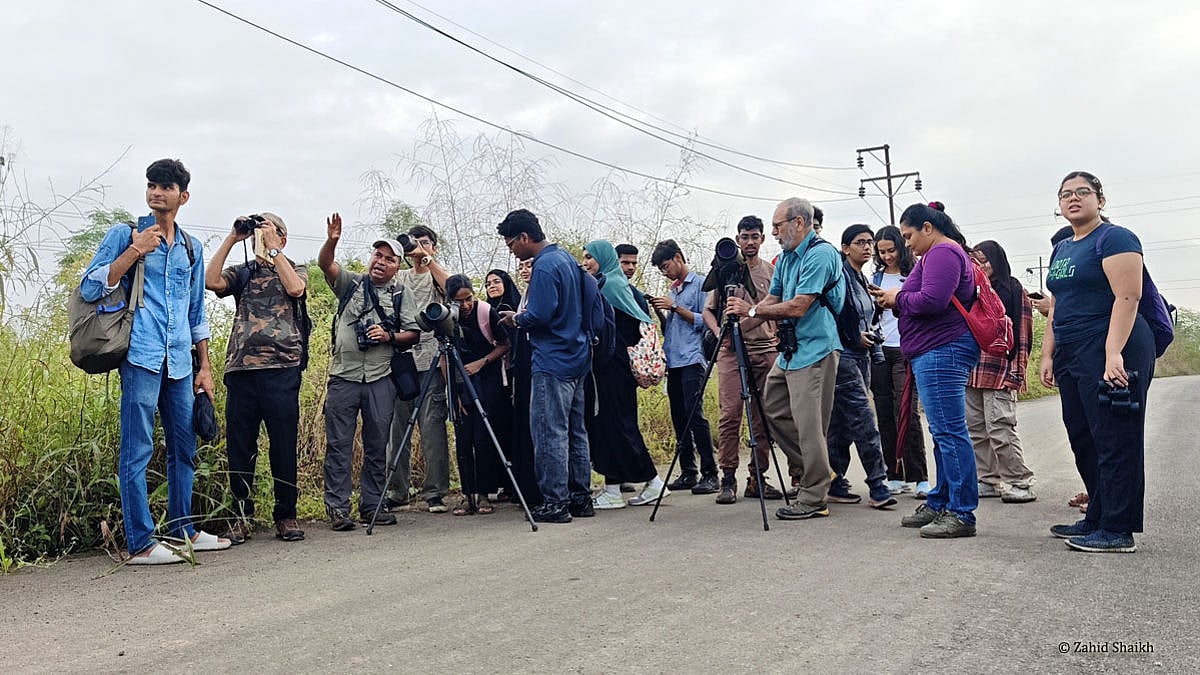
Even without a website or marketing, outings by Nature India Tours are now booked to capacity within days of being announced. Shivkar organises 60 to 70 tours every year, ranging from nearby destinations such as Maharashtra’s Tungareshwar and Tadoba to longer journeys to the Sunderbans, the NorthEast and Leh-Ladakh.
“I organise tours not just for people to admire nature,” he says, “but to be positively impacted by it—to have their view of the natural world changed.”
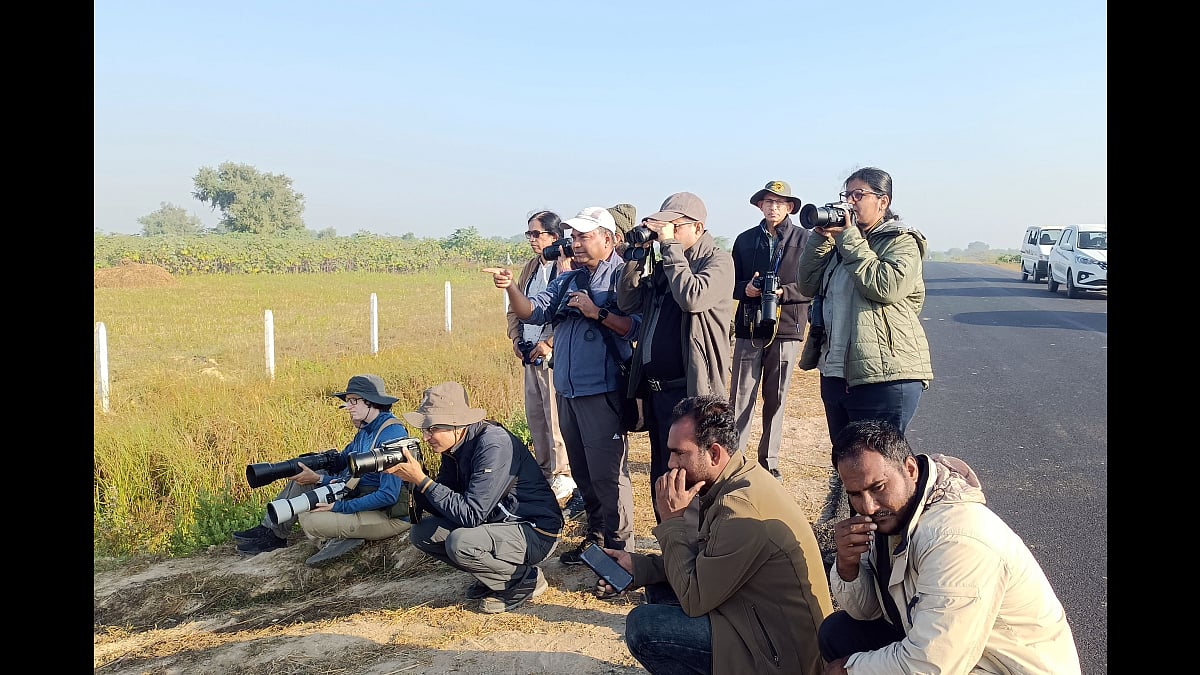
Group sizes are deliberately limited, often to fewer than ten participants. Nearly 80% of his tours focus on birding, with carefully curated itineraries across diverse habitats. The remainder includes tiger safaris, herpetology camps and trips to Kaas, Maharashtra’s Plateau of Flowers in Satara, where Shivkar has co-authored an e-book documenting over 300 species of flowering plants.
His credibility rests on depth.Birding has surged, driven by disposable incomes and social media, but Shivkar points out that many guides lack grounding in taxonomy, ecology and natural history, reducing interpretative experiences to logistics.
Dr Rajiv Joshi, a dermatologist at Hinduja Hospital with three decades’ experience, has been a regular with Nature India Tours since 2009, visiting 35 destinations across India and also Bhutan, with an upcoming trip with them to Sri Lanka in March 2026.

Dr Rajiv Joshi, dermatologist, Hinduja Hospital |
“Birding with Nature India has been immensely rewarding, where I meet likeminded people, get exposure to varied terrains of the country with its unique flora and fauna, delectable food and great camaraderie and fun with constant teaching and exposure to the birds found in that destination,” Dr Joshi says. “The teaching goes beyond mere identification or photography of birds and induces a yearning to know the intricacies of nature in general.” He says women, who form a large segment of Nature India Tours’ participants, feel particularly secure during these trips.
Shivkar also conducts urban biodiversity walks across Mumbai and works with schools and colleges to advise on conservation initiatives. “If people don’t learn to see nature properly,” he says, “they won’t protect it.”

