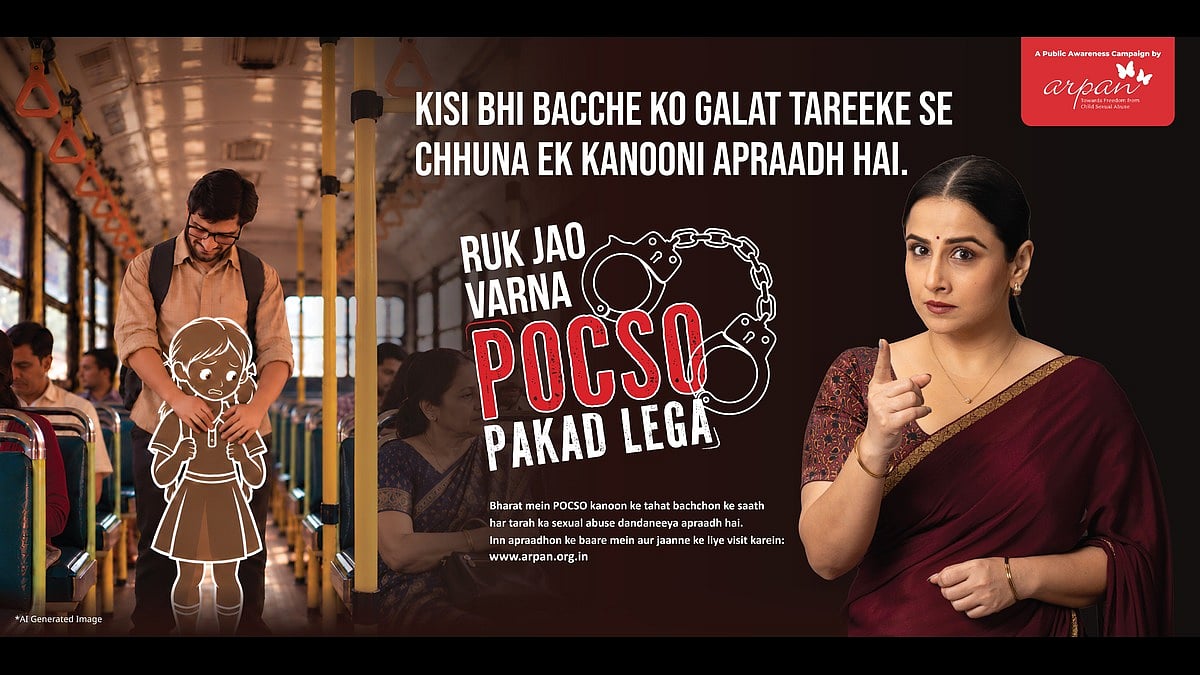
Arpan’s Child Safety Week 2026, which started on November 14 and ends on the 20th, is now in its eighth edition, and it names six acts offenders often pass off as harmless and sends them a direct warning: Ruk Jao Varna POCSO Pakad Lega.
A neighbour uncle insists a little girl sit on his lap at every visit. An older cousin shows a child sexually explicit pictures and tells her, “I’m helping you grow up.” A stranger befriends a child online and coerces her into sending intimate pictures. Someone forwards a video of a child being sexually harassed on a group chat, with a laughing emoji. Each of them tells themselves the same thing: chalta hai (No Big deal!).
Those two words may be the most dangerous phrase in child protection, because chalta hai adds up. Every day in 2024, across India, about 189 cases of sexual offences against children were registered under the Protection of Children from Sexual Offences (POCSO) Act. That is nearly eight every hour. These are only the cases that reached a police station. Many more never do. Behind every one of them, reported or not, is someone who decided it was no big deal. That someone can be anyone: a stranger, or someone the family knows, trusts, and welcomes home.
In 2024, in cases of penetrative sexual assault under POCSO Act, 96.6 per cent of the accused were known to the child. Being known and trusted gives abusers access. Minimisation gives them permission. It is how a crime is made to look small. “She didn’t mind.” “He’s too young to understand.” “Nobody got hurt.” “It was affection.” “Everyone forwards these videos for fun.”
None of it is true, and none of it excuses anything. Each excuse makes the next act easier, and that is exactly what it is meant to do. The same excuses that let the abuser carry on are then turned on the child to keep them silent, and on everyone else to dodge the blame.
Minimisation works because normalisation gives it cover. Many of these behaviours have been accepted for so long that few people stop to question them. A child is expected to sit on an uncle’s lap whether they want to or not. Unwanted hugs are called affection. Sexual jokes and forwarded texts are passed off as harmless fun. Abusers do not need to invent a disguise; they borrow the ones we already accept. When abuse is made to look like fun, affection or a game, the abuser expects no one to question it. And if anyone does, he counts on the rest: that people will not recognise these acts as crimes, that whoever notices will look away, and that a family will protect its name before it protects its child.
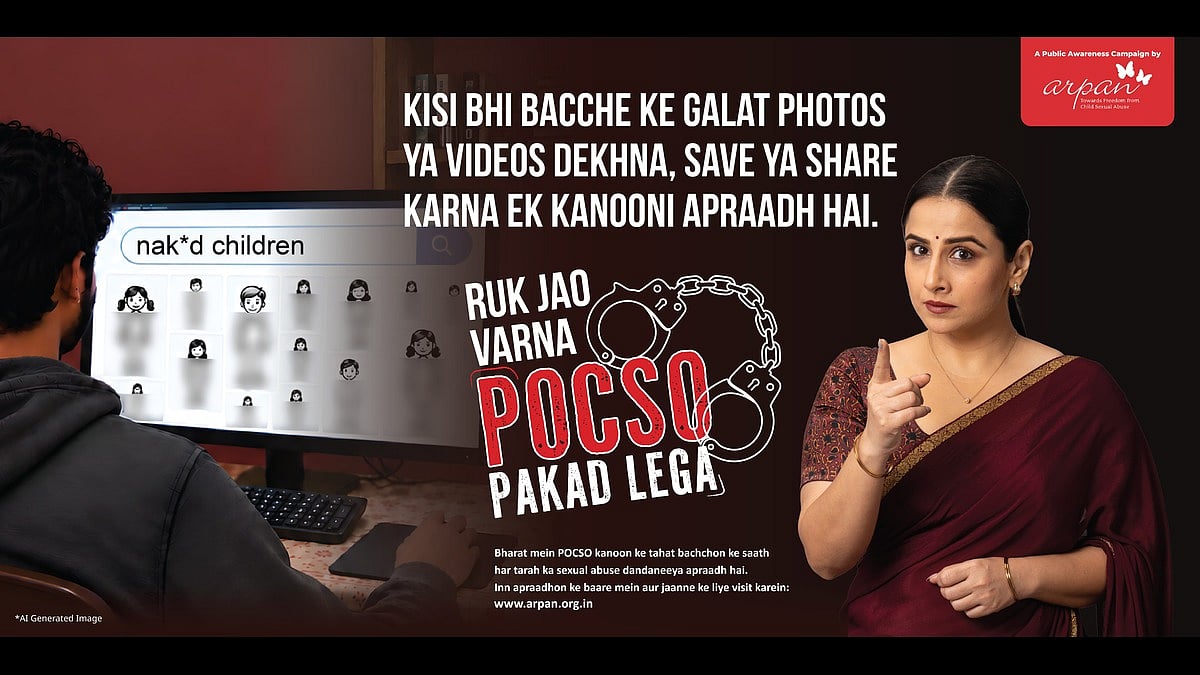
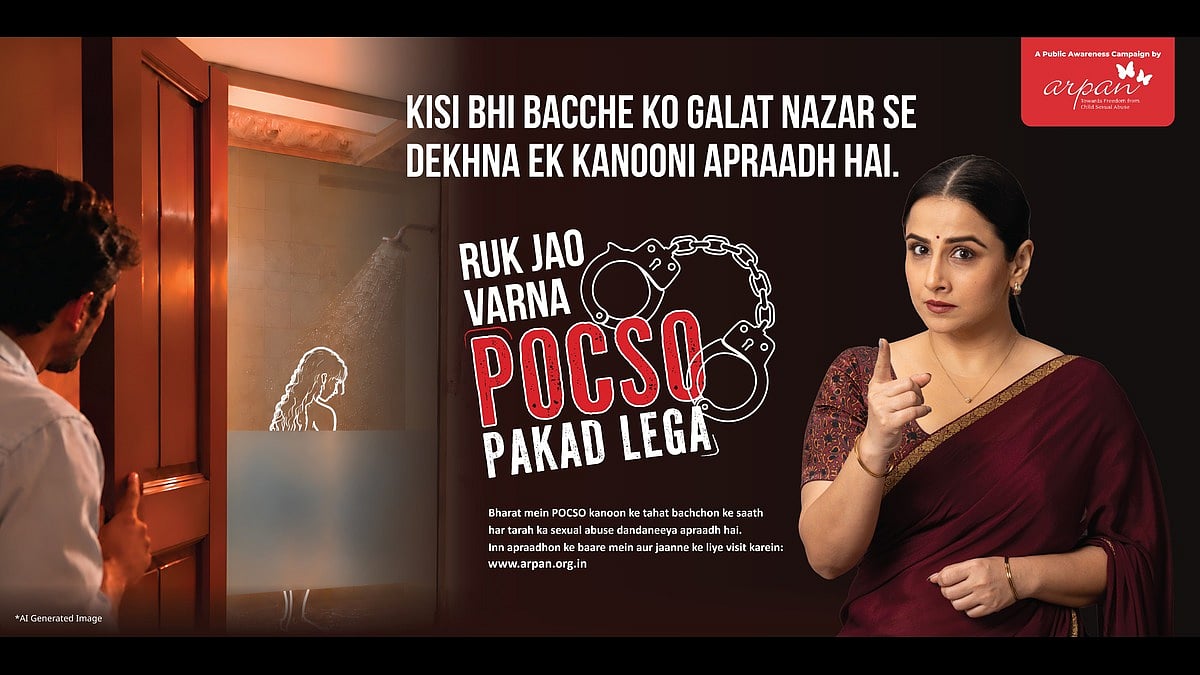
Minimisation shrinks the act. Normalisation hides it in plain sight. The only answer to both is to call out each act for what it is: a crime. That is why this Child Safety Week carries a bold and blunt message: Ruk Jao Varna POCSO Pakad Lega. (Stop, or POCSO will catch you). It is addressed to those who sexually abuse children, and it names the six acts most easily minimised and most often normalised: touching a child with sexual intent, looking at a child with sexual intent, taking sexual photos or videos of a child, asking a child for inappropriate photos or videos, showing a child sexual content, and viewing, saving or sharing child sexual abuse and exploitation material. Each of them is punishable under the POCSO Act.
None of them stops being a crime because it was called a game, a joke or affection. The law does not ask whether you are family, whether you meant it, or whether it happened on a screen. It asks what you did. So to anyone who thinks chalta hai - nahi, nahi chalta hai. Ruk jao varna POCSO pakad lega.
About Arpan
Arpan is a globally recognised, award-winning non-profit organisation based in Mumbai, dedicated to the elimination of Child Sexual Abuse in India. It is the country's largest NGO in this space, with over 150 professionals offering comprehensive prevention and intervention (healing) services for children and adults. Through its various programmes and initiatives, Arpan works towards creating a safer environment for children across India. Over 2 crore individuals, spanning children and adults, have been impacted by Arpan's work since 2007. As a thought leader in CSA prevention and intervention, Arpan drives systemic change at the local, state and national levels.
For more information, visit www.arpan.org.in or follow #RukJaoVarnaPOCSOPakadLega on social media.

