On a Friday evening in early March, inside Bangkok’s Shenanigans Irish Sports Bar, a Thai band—The Bangkok Beatles—sang: “Hey Jude, don’t make it bad…” Everyone joined in; many danced.
At the same time, a war with global economic consequences was unfolding in West Asia. It began on February 28, 2026, with US–Israeli strikes on Iran, the assassination of Iran’s Supreme Leader Ali Khamenei and senior officials, and Iran’s retaliation.
Iran effectively closed the Strait of Hormuz—the narrow sea route that carries one-fifth of the world’s oil and gas. The Thai government responded with emergency energy-saving measures, asking civil servants (except frontline staff) to work from home.
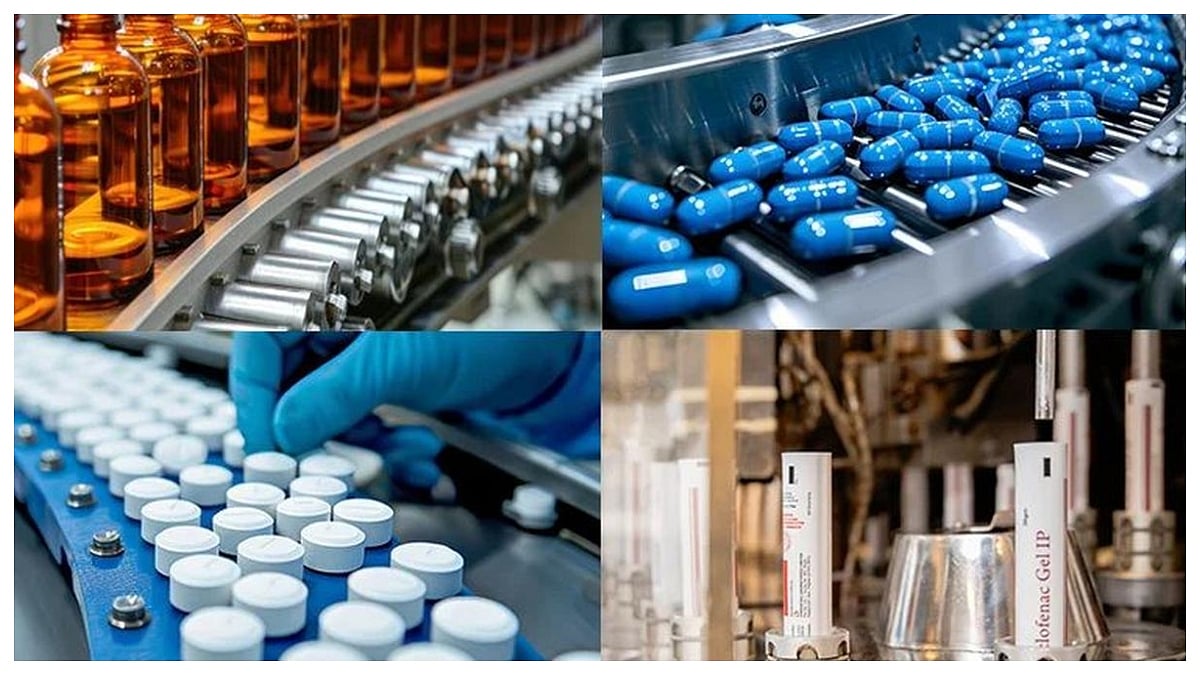
When I asked an elderly Thai man humming along whether the conflict had affected him, he replied with one word: “plastics.” He was in the plastics business—a key link in the pharmaceutical supply chain. Plastics are made from petrochemicals shipped through the Strait of Hormuz. With the route disrupted, the impact had already begun.
Four weeks on, the conflict shows scant signs of easing. The Hormuz blockade has become partial, with Iran allowing limited passage for some ships, including those from India. However, disruption continues to ripple through global pharmaceutical supply chains and healthcare systems.
For India, this has meant immediate stress. Pharmaceutical exports face logistical bottlenecks and potential losses of ₹2,500–₹5,000 crore if Gulf routes remain constrained. Rising petrochemical and energy costs are pushing up drug production prices and tightening margins in the generics sector.
Across Southeast Asia, healthcare systems—dependent on imported medicines and global supply chains—are facing higher procurement costs, shipping delays, and the risk of shortages, particularly for temperature-sensitive drugs.
Thailand’s Public Health Ministry has rolled out a three-phase contingency plan. Notably, India features in this crisis strategy.
According to The Nation, a Thai newspaper:
“Authorities estimate that current medicine stocks will last three to four months. However, price increases are inevitable. There is particular concern over anticoagulants such as Warfarin, imported from Israel. While supplies remain stable for now, contingency plans are in place to source alternatives from India, China, and Europe if needed.”
Malaysia, too, reportedly has only one to three months of medicine stocks.
The impact extends beyond pharmaceuticals. International patient inflows from West Asia to India have dropped sharply due to airspace disruptions and instability. Many Indian hospitals rely on medical tourists from the Gulf and are now facing revenue pressure, with some projecting a 15–20% decline in international business.
In response, hospitals are pivoting towards Southeast Asia and other regions.
Apollo Hospitals, for instance, is leveraging its long-standing partnership with Indonesia’s Mayapada Healthcare Group, which includes clinical training, digital tools, and the Batam hospital project.
Manipal Hospitals is also increasing its focus on Southeast Asia. Telemedicine is emerging as a key trend, enabling patients to consult doctors remotely before travelling, allowing for better planning of treatment.
However, this pivot will not be easy. ASEAN countries present both opportunities and competition. India faces strong rivals in medical tourism, particularly Thailand, Singapore, and increasingly Malaysia.
Despite its reputation as the “pharmacy of the world,” India faces upstream vulnerabilities. It depends heavily on active pharmaceutical ingredients (APIs), many sourced from China, as well as petrochemical inputs tied to global oil and shipping networks.
Historically, 40–50% of India’s crude oil imports have passed through or near the Strait of Hormuz.
The Association of Indian Medical Device Industry (AiMeD) recently noted:
“Input costs for medical devices have surged—nearly 50% for critical plastics and over 20% for packaging and diesel-based power. Prolonged disruptions risk production halts, hospital shortages, and price inflation.”
The industry also remains dependent on imports for specialised, high-grade polymers that meet regulatory standards.
Clearly, challenges loom. But the crisis also presents an opportunity to deepen ASEAN–India cooperation. From strengthening supply chains to enhancing regional health security, both sides can emerge as resilience partners in an increasingly uncertain world.

