Israeli Prime Minister Benjamin Netanyahu’s decision to back away from his threat to strike Hezbollah targets in Beirut, the Lebanese capital, offers a glimmer of hope that a broader diplomatic breakthrough may still be possible in West Asia. It may also create space for a much-needed agreement between the United States and Iran, though it remains difficult to predict how soon such a deal can be reached.
Three months after the conflict began, US President Donald Trump appears publicly dismissive of the negotiations. Describing the talks as “boring”, he recently remarked, “I really don’t care. I couldn’t care less. If they are over, they are over.” Yet such nonchalance is difficult to take at face value. The economic and political costs of the crisis are mounting, both for the US and the wider world.
Rising economic costs of the conflict
The disruption of oil supplies has already driven energy prices sharply upward. With American voters heading to the polls in November, rising fuel costs and inflation are unwelcome developments for an administration already facing declining approval ratings.
Reports suggest that Trump’s popularity has weakened not only among independent voters but also within sections of the Republican base. Washington had apparently calculated that military pressure on Iran would weaken the regime and provoke domestic unrest. That expectation has not materialised.
Neither targeted killings nor aerial bombardment has compelled Tehran to capitulate. Instead, Iran has demonstrated its ability to inflict significant costs on American interests across the Gulf region through missile and drone attacks.
Strait of Hormuz remains critical
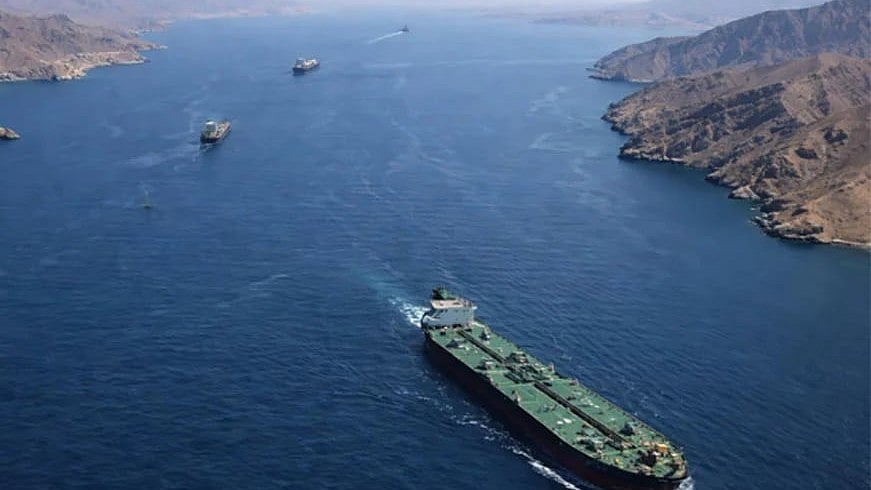
The greatest economic consequence of the conflict has been the disruption of traffic through the Strait of Hormuz, the narrow waterway through which roughly one-fifth of the world’s oil supply passes. Even partial restrictions have pushed crude prices dramatically higher, sending shockwaves through global markets.
India has felt the impact acutely. Petrol and diesel prices have risen substantially, increasing the burden on households and businesses alike. Higher transportation and energy costs threaten to fuel inflation across various sectors of the economy.
Need for a broader diplomatic settlement
A ceasefire between the US and Iran, while welcome, is not enough to guarantee lasting peace. The fragile truce remains vulnerable to developments elsewhere, particularly in Lebanon.
Tehran has repeatedly warned that any major Israeli escalation against Hezbollah could jeopardise the ceasefire. It is this reality that appears to have persuaded Washington to urge restraint on Tel Aviv.
The United Nations Security Council has also cautioned against actions that could widen the conflict. What the region urgently requires is not merely a pause in hostilities but a comprehensive understanding between Washington and Tehran.
Such an agreement would ease economic pressures, restore confidence in global energy markets and reduce the risk of a wider regional war. The world can ill afford anything less.

