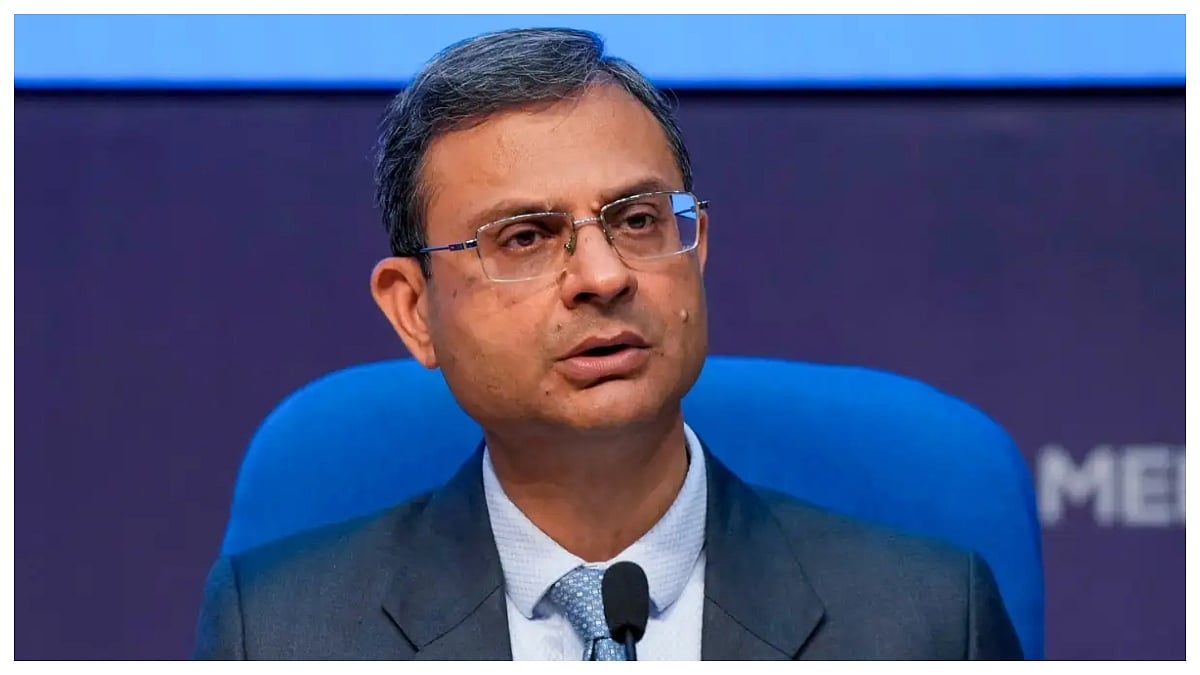
RBI Governor Sanjay Malhotra told the Kautilya Economic Conclave last week that India can no longer be complacent, even as he described India as navigating the West Asia shock “from a position of strength”.
The two statements do not sit well together. To be fair, the Governor was not pretending to take the shock away; he stressed that the West Asia conflict has added to inflationary pressures and that India remains exposed through commodity prices and the external account. A country can be both strong and watchful, but only if that strength is measured in today’s numbers.
Inflation And Economic Cushion
Malhotra also pointed to retail inflation, which averaged 2 per cent last year, and growth that was the strongest among major economies. While those are fair numbers, he did not say how much cushion is left. Inflation has since more than doubled to 4.82 per cent in August, above the 4 per cent target. It remains within the RBI’s 2-6 per cent band and banks remain well capitalised, but the direction is clear.
Brent is near $107 a barrel, and the rupee has slipped past 96 to the dollar, down about 6 per cent this year. The Nifty and Sensex are in a free fall, logging an eighth straight weekly loss, while the monsoon ended the season nearly 13 per cent below normal, the driest in a decade.
Questioning The Position Of Strength
Therefore, the claim that the country is navigating from a “position of strength” held true last year, before the shock. The Governor did not clarify whether it still holds true, but he qualified his statement by saying that today’s resilience does not imply tomorrow’s immunity.
The risks he named were global debt, elevated leverage, private credit, AI-linked valuations, and cyber threats. These are valid, but in a year when oil prices have gone through the roof and the currency has weakened considerably, we need to look inwards for solutions. He did mention diversifying oil imports and building strategic petroleum reserves, but those will take years to pay off.
Will The MPC Hike Rates?
The Monetary Policy Committee is set to announce its repo-rate decision on October 7. Whether the rate is raised or not, the Governor should be clear about the reasoning. It is not enough to keep repeating that India is on a strong wicket; he should explain what the decision means for the rupee and what inflation rate would make the central bank act.
If the MPC holds the rate, it should admit that the rupee will bear the cost and that keeping interest rates separate from financial stability does not work well in a shock like this. To an extent, Malhotra was right to say financial trouble can build up overnight and take years to fix. What matters is how far the Governor will go and whether he acts on his own warning.

