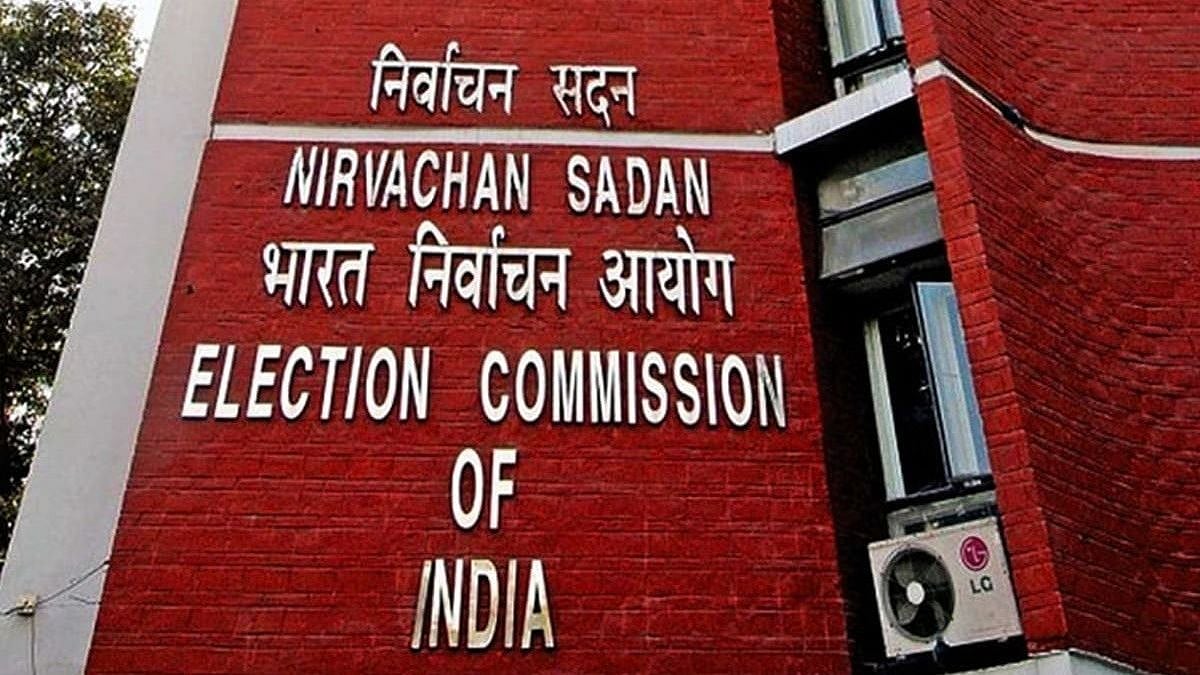
The Election Commission's retreat on Form 6 marks repeated reversals that demand more than an administrative explanation. The issue is the removal of a question from an online form. It concerns how a constitutional authority changes the rules governing citizens' registration as voters.
Form 6 is the statutory application for inclusion in the electoral roll. In July, the commission's ECINet portal inserted a declaration linked to the Special Intensive Revision (SIR). Applicants had to state whether their names, or those of their parents or grandparents, appeared in an intensive revision.
Though not labelled mandatory, applicants could not submit the form without answering it. Two election commissioners, Sukhbir Singh Sandhu and Vivek Joshi, had objected in writing in May, arguing that the statutory form could not be altered without the required legal amendment. Sandhu subsequently described the insertion as "unauthorised/illegal" and sought its removal. Yet, the requirement remained despite these objections.
Commission's Shifting Explanations
The commission's explanations then shifted. On September 26, it said the SIR declaration would remain during the revision exercise, while the forms prescribed under the Registration of Electors Rules, 1960, would be used outside it.
The Supreme Court later clarified that it had neither approved nor disapproved the modified Form 6. Now, according to the commission's affidavit, its Electoral Roll Division decided on October 21 to separate the declaration from Form 6.
The commission says the original arrangement was intended to spare applicants a second OTP and e-signature. Convenience, however, cannot settle a question of statutory authority. The distinction matters.
A voter's right to seek enrolment should not depend on additional conditions whose legal basis is disputed within the commission. Nor should a first-time applicant wonder whether a question on a government portal is legally required simply because the software will not permit submission without an answer.
Wider Questions Over Institutional Accountability
The larger pattern is troubling. An investigative report found that the two commissioners had raised objections over several aspects of the commission's functioning, including meetings, foreign travel approvals, IT systems, and control of electoral-roll software. Subsequent changes suggest that many concerns have prompted corrective steps.
The Form 6 reversal is part of a wider institutional episode, not an isolated technical adjustment. The commission may argue that review and correction are normal features of administration. That is true.
But correction after internal objections and scrutiny must be accompanied by an account of who authorised the original change, why objections were not acted upon, and what safeguards will prevent recurrence.
The Election Commission does not administer an ordinary database. It safeguards the franchise, the foundation of representative democracy. Its credibility rests not only on conducting elections but also on adherence to law, transparent decision-making and respect for every eligible voter. A reversal may correct a form, but only accountability can repair confidence.
To get details on exclusive and budget-friendly property deals in Mumbai & surrounding regions, do visit: https://budgetproperties.in/

