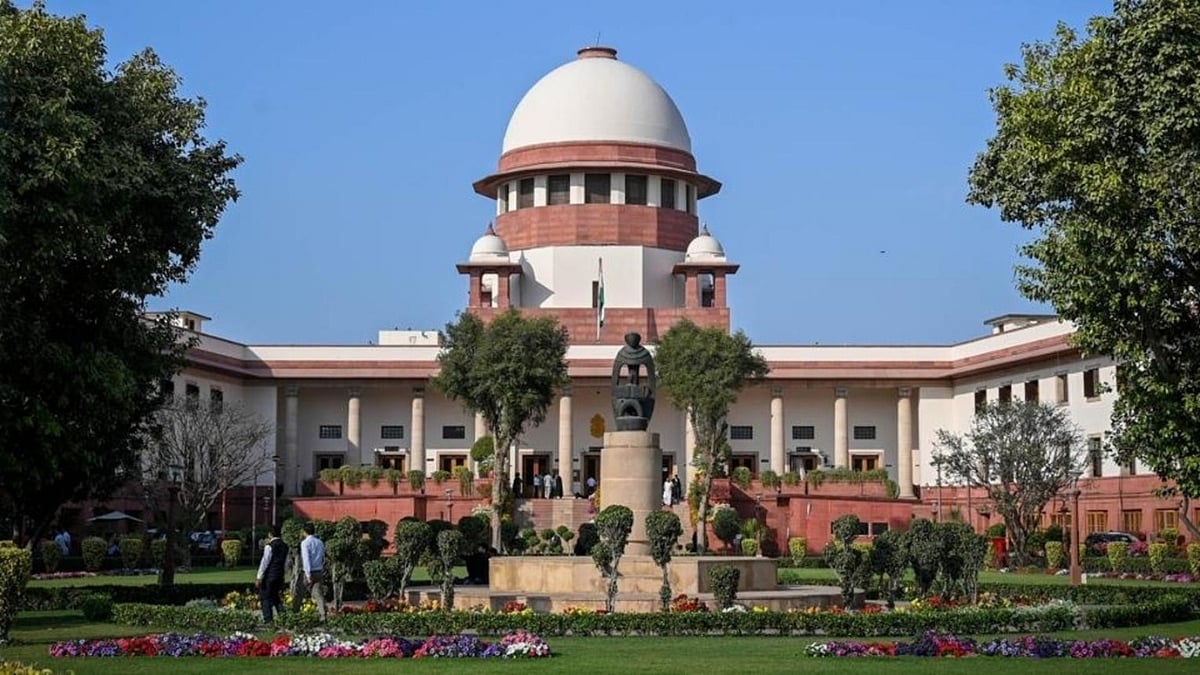
The Supreme Court order of September 21, which aims to prevent the usual practice across India of immediately re-arresting people released by the courts, has been long sought judicially and should be welcomed. The measure announced by the Bench of Justice Ujjal Bhuyan and Justice Anil Chandrukar will go a long way in curbing compulsive police cruelty and their scant respect for the law in what has already become a police raj.
Illegal Rearrest Practice
The police have, over the years, converted a totally illegal practice of rearresting released persons from the court premises into an accepted practice. It makes a mockery of the very process of justice.
The court rightly said, “Once there is a breach of Article 22 (I), the power to rearrest the accused must not be left to the discretion of the very same authority who had violated the said provision of the Constitution. It must have judicial imprimatur.” .
Article 22 deals with the right to life and personal liberty and states that the arrested person must be informed of the reasons for the arrest, an arrest memo has to be issued to the accused, and he must be offered legal help.
None of this is practised by the police in India, and even a retired senior government officer in Delhi, who was picked up this month during his morning walk, has not yet been provided the copy of the FIR. Everywhere people are picked up and locked, often in secret locations, going against various judgements on the issue.
The police in India are a rule unto themselves, and the present government has given them free rein, encouraging them to run riot over personal freedoms.
Grounds For Rearrest
The SC order has now laid down the grounds for rearrest, stating that a magistrate’s sanction is mandatory for arresting a released person and the grounds of arrest must be given in writing in all cases, including those under special laws such as PMLA and UAPA. Never does the police give the grounds of arrest to the accused anywhere, let alone a copy of the FIR.
The court also laid down that the immediate superior must endorse the rearrest request, and the magistrate must assess bona fide reasons for re-arrest. In case of the illegality of the request, a departmental enquiry must be initiated against the police officer, according to the SC. A 2025 judgement had also stated that if the police are seeking re-arrest, the magistrate must endorse the request.
Safeguards And Judicial Oversight
For some time now, constitutional safeguards have been rubbished by the state and the police while the judiciary watched, as if they were helpless. The arrest and denial of bail to political prisoners has become a pattern, calling into question the inability of the judiciary to intervene for upholding personal freedoms and constitutional values. The September 21 judgement will go a long way in sending a message to the lower judiciary and police to act according to law.

