These are indeed testing times if the very tests on which the future of India’s younger generation lies are built on foundations that shake every year. For a nation that prides itself on its demographic dividend, the education system has turned into a factory of intense anxiety. The collapse of institutional integrity has never been more glaring, more spectacular as a trifecta of catastrophic failures hit the country’s premier testing bodies in rapid succession. First came the NEET-UG paper leak, exposing deep structural rot and a compromised supply chain. Close on its heels came the CBSE On-Screen Marking fiasco, where a rushed digital evaluation system led to botched results, missing sheets, and unreadable scripts. To complete the circle of chaos, the CUET-UG computer-based test suffered massive server crashes, leaving thousands of students stranded for hours in brutal summer heat. The Supreme Court’s scathing observations on the NTA fiasco hit the nail directly on the head. A two-judge bench pulled up the testing agency for its terminal "ad-hocism" and a complete lack of permanent institutional memory. In an indictment of the NTA's chaotic management, the court noted that it was "sad that they have not learnt their lessons”. Amidst a raging political firestorm and nationwide protests demanding his resignation, Education Minister Dharmendra Pradhan made the public admission that he takes moral responsibility for the lapses. Yet, the crisis escalated so far that the government, in its formal submission to the Supreme Court, stated that the situation is being "personally monitored" by Prime Minister Narendra Modi.
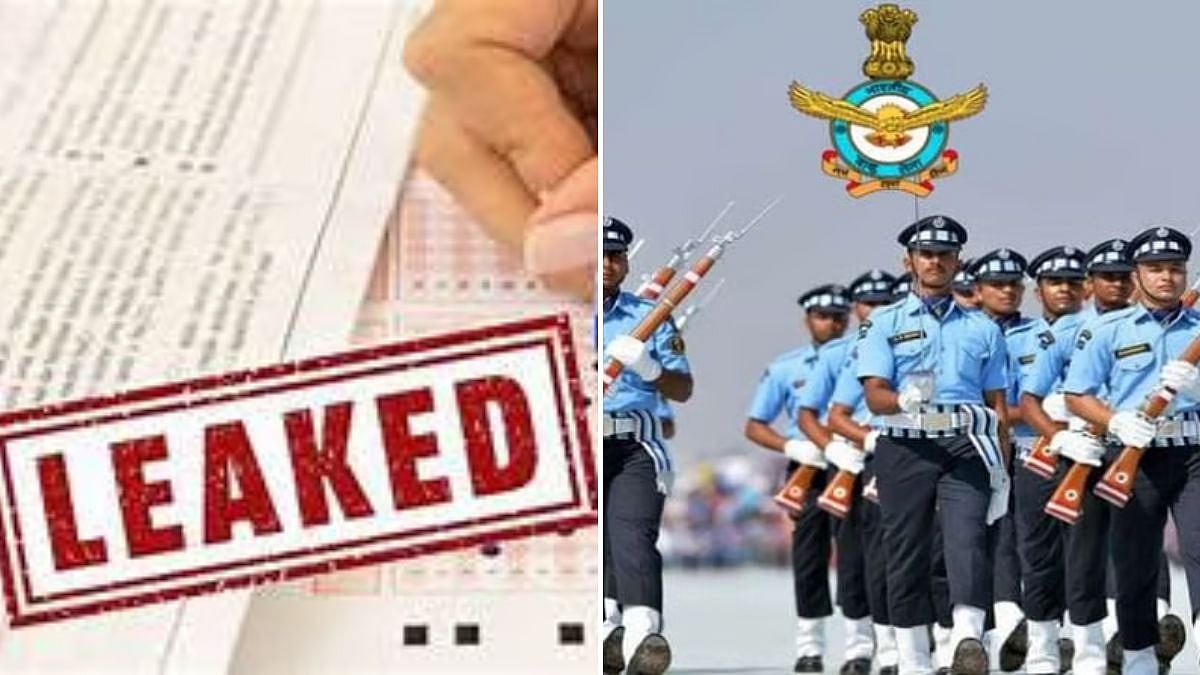
The absurdity is now becoming visible on the tarmac. To pull off a leak-proof retest, the government is bypassing traditional civilian logistics. Reports have emerged that the Indian Air Force will be deployed to deliver question papers directly to strategic hubs across the country. Turning a civilian academic entrance exam into a high-security military operation is a staggering admission of institutional bankruptcy and a dystopian cul-de-sac. It is a sign that leads the nation to the nightmarish suggestion that the civilian state has lost the capacity to safely transport sheets of paper without a defence escort. Meanwhile, the true cost of this bureaucratic incompetence is borne by our youngsters. The Supreme Court rightly highlighted the deep "trauma" faced by young students and their families, who invest years of hard labour and scarce resources only to see their efforts go in vain. Pointing a way out of this quagmire, the apex court remarked that the NTA needs to "learn from the UPSC", an institution that smoothly conducts massive nationwide examinations without descending into annual public disgrace. When the air force has to be called in to secure school-leaving exams and when the Prime Minister’s office must micromanage an entrance test, we must look into the mirror. Are these the signs of a Viksit Bharat in the making?
