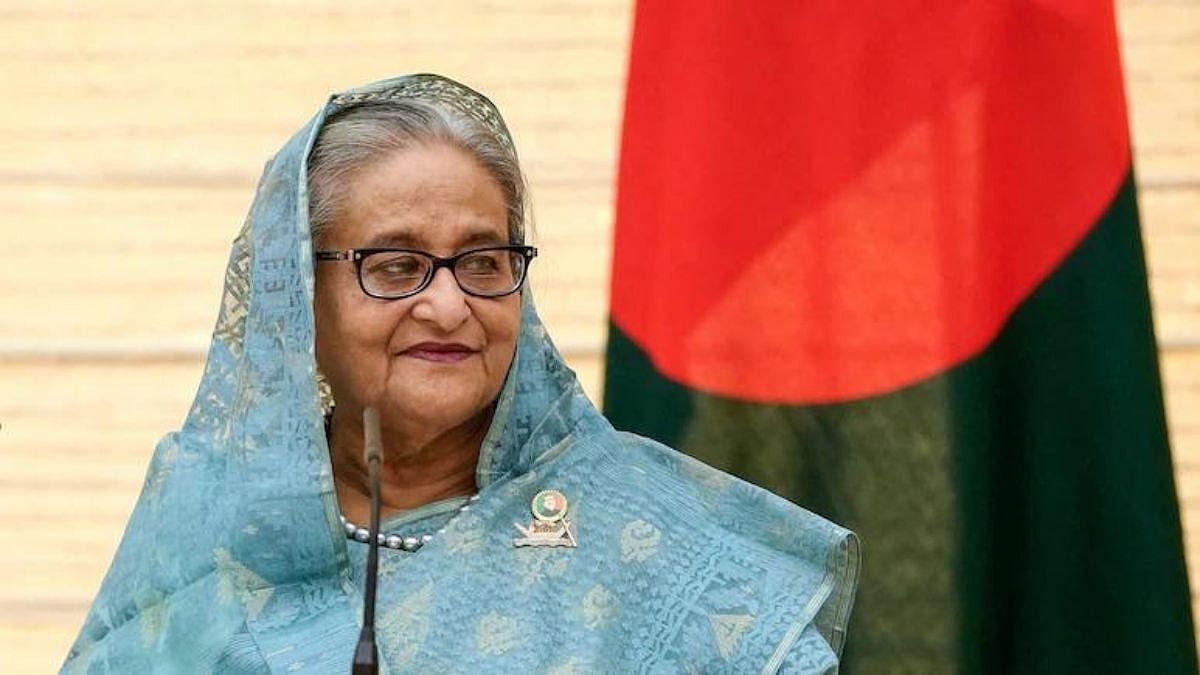
The government of Bangladesh and the two main political parties ought to strain every nerve to restore calm as large-scale violent unrest, now into a second week and tragically taking a human toll, risks the country descending into instability, a little over two years since the tumultuous upheavals of 2024. The current impasse is a fallout from the call issued by the outlawed Awami League party for nationwide protests, demanding the homecoming of its leader and beleaguered former premier Sheikh Hasina, who has been under self-imposed exile in New Delhi. At least four people, including three activists of the governing Bangladesh Nationalist Party (BNP), have been killed, as incidents of extensive arson and damage to property have been reported from around the nation.
Rift Over Hasina’s Return Widens
Meanwhile, the rift over the return of Hasina, Bangladesh’s longest-serving leader, has further widened following news on Tuesday that she seeks to fly into Dhaka on the state carrier on December 16, the anniversary of the 1971 liberation war with Pakistan. In a stern rebuke of the suggestion, the country’s minister of state for foreign affairs called her a fugitive and a terrorist, adding that extradition from India was the only path open to an exiled convict. Some 1,400 people were killed and thousands more injured, according to the UN, in the brutal crackdown in 2024 against a popular youth uprising. In November 2025, Bangladesh’s International Crimes Tribunal—the country’s domestic war crimes court—sentenced Hasina to death in absentia for crimes against humanity, drawing criticism from human rights groups which advocate abolition of capital punishment under all circumstances.
Hasina’s options to leave Delhi had already been narrowed when the BNP government of Prime Minister Tarique Rahman rejected her application for a fresh passport and identity card, revoked by the interim administration of Nobel laureate Muhammad Yunus. Should Dhaka carry out the threat to jail Hasina in the event she attempted to return in December, a major confrontation between the government and the Awami League would appear almost inevitable.
India’s Response To Extradition Request
Bangladesh’s request for Hasina’s extradition to face justice, as per the terms of a bilateral agreement, has elicited no concrete response from the Indian government so far. To be sure, Premier Rahman’s accusations that New Delhi was behind the Awami League’s resort to indiscriminate violence only risk hardening Delhi’s stance. Conversely, consideration of Dhaka’s request might strengthen the judicial process and would go a long way towards mending ties with India’s eastern neighbour.
On the other hand, the Awami League, which has been widely blamed for the current insurgency-like situation in the country, should weigh the repercussions of violent aggression that can only provoke strong retaliation from the government. A respite from the tumult and a return to order is not an unreasonable expectation of civilian authorities anywhere. This is a bare minimum requirement for a durable political transition in Bangladesh.
Level up your brain the fun way. Play daily games and quizzes on FPJ Smart!
To get details on exclusive and budget-friendly property deals in Mumbai & surrounding regions, do visit: https://budgetproperties.in/

