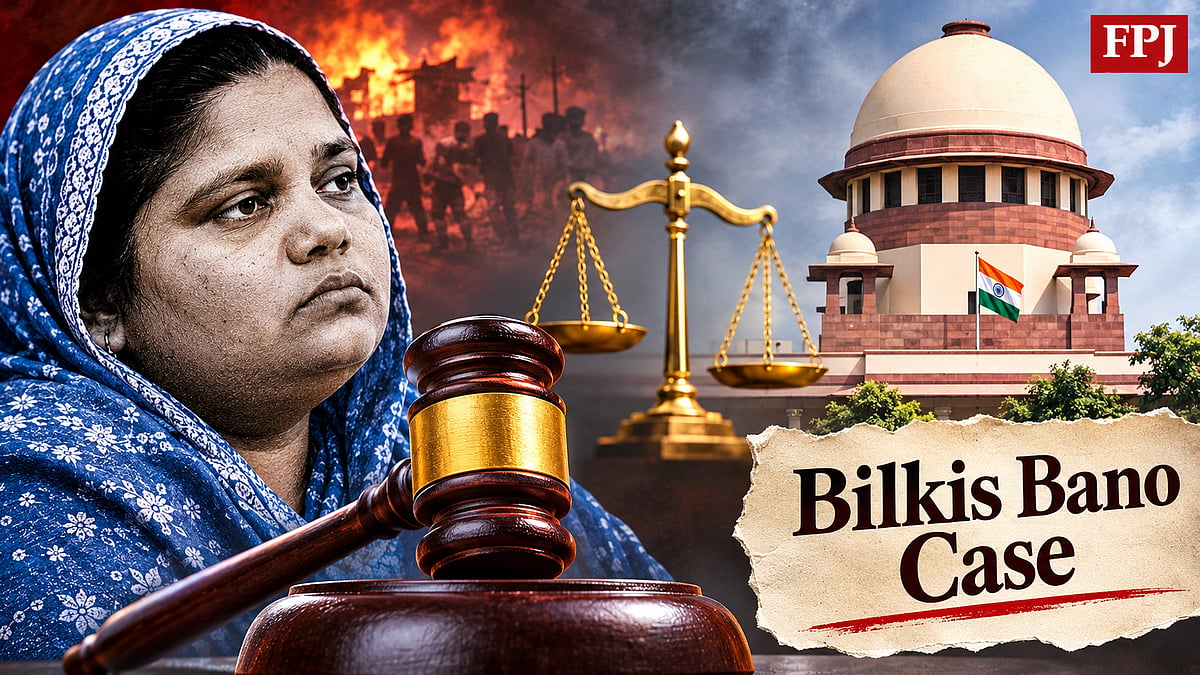
A gross miscarriage of justice would have occurred if two of the convicts in the infamous Bilkis Bano gang-rape case had been allowed to walk free without adequate judicial scrutiny. In October, a two-member Bench of the Supreme Court suspended the sentences of two convicts and granted them bail. The order, however, came to public notice only several weeks later. The reasons cited included the physical disability of one convict, the fact that the other was not named in the original FIR, and their having spent more than 17 years in prison. These considerations may have a bearing on their appeals, but should they have been sufficient to justify their release, particularly when nine other convicts are serving life sentences? The order could potentially have opened the way for similar relief to the others. There is also something disturbing about the manner in which the proceedings unfolded.
The Bilkis Bano case is no ordinary criminal case. It remains one of the darkest episodes of the 2002 Gujarat riots. On March 3, 2002, a mob attacked Bilkis and her family as they fled their village in search of safety. Bilkis, who was pregnant, was gang-raped. Seven members of her family were murdered, including her three-year-old daughter whose skull was smashed with a stone. Eleven men were convicted by a special CBI court in Mumbai in 2008, and the Bombay High Court upheld their convictions in 2017. Yet, in August 2022, the Gujarat government granted them remission and released them. The decision was an affront to the rule of law because Gujarat had no jurisdiction to grant remission in a case tried in Maharashtra. The Supreme Court eventually quashed the remission orders in January 2024 and directed the convicts to return to prison. The spectacle of ruling party leaders welcoming the released men with garlands and sweets was shocking. They were treated as heroes rather than men convicted of heinous crimes.
The latest order raises serious questions about the court’s sensitivity to the victim’s rights. Bilkis Bano was neither notified nor heard before the two were granted relief. She has expressed anguish and apprehension about the safety of herself and her family. Her fears cannot be brushed aside as incidental to the legal proceedings. The apex court has a duty not only to protect the rights of the accused but also to ensure that victims are not rendered voiceless. It is particularly disconcerting that the delay in the disposal of the appeals should now become a ground for granting relief when the court itself has the responsibility to ensure timely hearings. The Bilkis Bano case demands scrupulous judicial care, not decisions that risk eroding public confidence in the institution entrusted with upholding the rule of law.

