The recent Assembly elections in Kerala marked a significant departure from a political tradition that has long shaped the state’s electoral landscape. For perhaps the first time in decades, caste- and community-based organisations played little discernible role in determining the outcome.
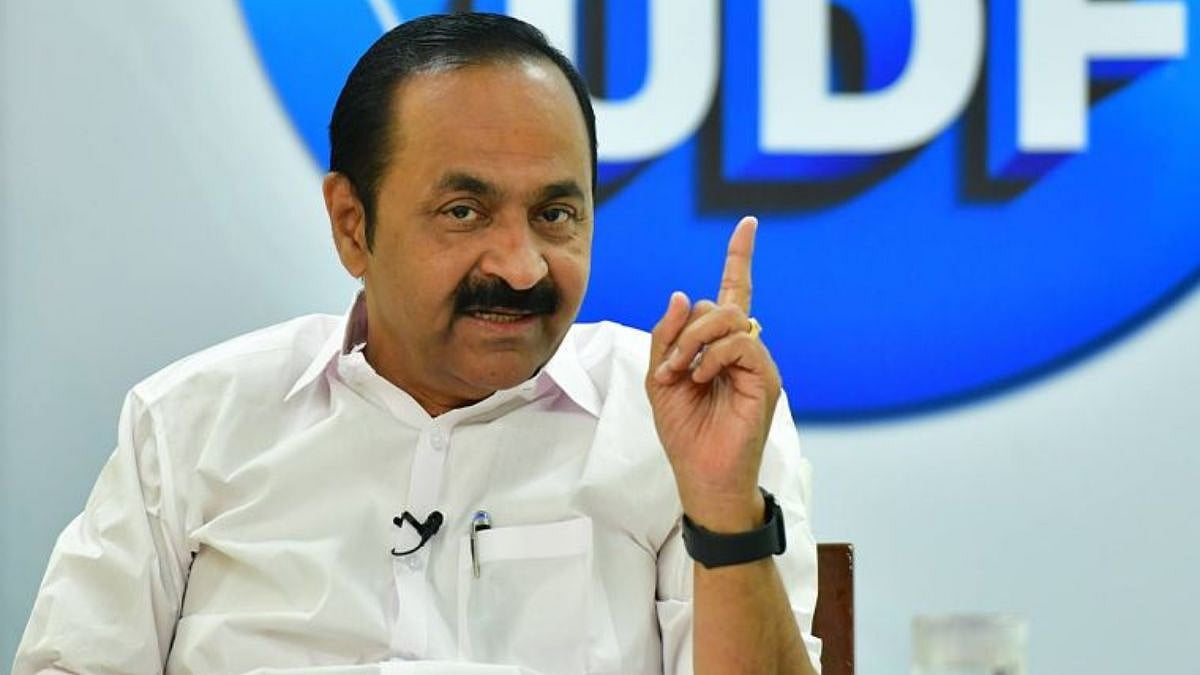
The return of the United Democratic Front (UDF) to power after a decade in the opposition was achieved not because of the blessings of community leaders but despite their hostility or indifference. Chief Minister V.D. Satheesan was, in fact, the target of sustained criticism from two of Kerala’s most prominent community leaders.
Sri Narayana Dharma Paripalana Yogam (SNDP) General Secretary Vellappally Natesan made several disparaging remarks about him, while Nair Service Society (NSS) leader G. Sukumaran Nair virtually treated him as a political untouchable. Ironically, the latter’s attitude was all the more striking because Satheesan belongs to the same community.
Diminishing influence of community organisations
Neither leader displayed any enthusiasm when the UDF emerged victorious. Their reaction merely underscored a reality that many political parties have been reluctant to acknowledge: these community organisations no longer command the influence they once did.
While Natesan and Sukumaran Nair remain visible public figures, their ability to direct the voting behaviour of Ezhavas and Nairs, respectively, is greatly exaggerated. Traditionally, a substantial section of the Ezhava community has supported the CPI(M), while the BJP draws much of its strength in Kerala from Nair voters.
Community leaders can neither guarantee votes nor engineer large-scale electoral shifts. The verdict delivered by the electorate has once again demonstrated that political preferences are shaped by a range of factors far beyond caste affiliations.
Congress must avoid dependence on community leaders
This should free the UDF, and Satheesan in particular, from any sense of obligation towards self-appointed community spokesmen. Unfortunately, the Congress in Kerala has often displayed an unhealthy tendency to seek validation from caste and community leaders.
To be fair, the previous Left Democratic Front government under Pinarayi Vijayan rarely accorded them excessive importance, even though Natesan frequently projected himself as sympathetic to the Left.
The SNDP, inspired by Sri Narayana Guru and Kumaran Asan, and the NSS, founded by Mannath Padmanabhan, once played transformative roles in Kerala’s social renaissance. Their historical contributions are undeniable.
Engagement without deference
Yet the organisations of today are no longer the reformist movements they once were. That is why the post-election spectacle of ministers seeking blessings from community chiefs raises concerns.
Satheesan is right to reach out to all sections of society. In a democracy, elected governments cannot afford to alienate any group. But there is a fine distinction between engagement and deference.
Satheesan’s mandate came from the people, not from sectarian leaders. The government must be careful not to create the impression that it is dancing to their tunes. Such a perception would diminish the significance of the popular verdict.
