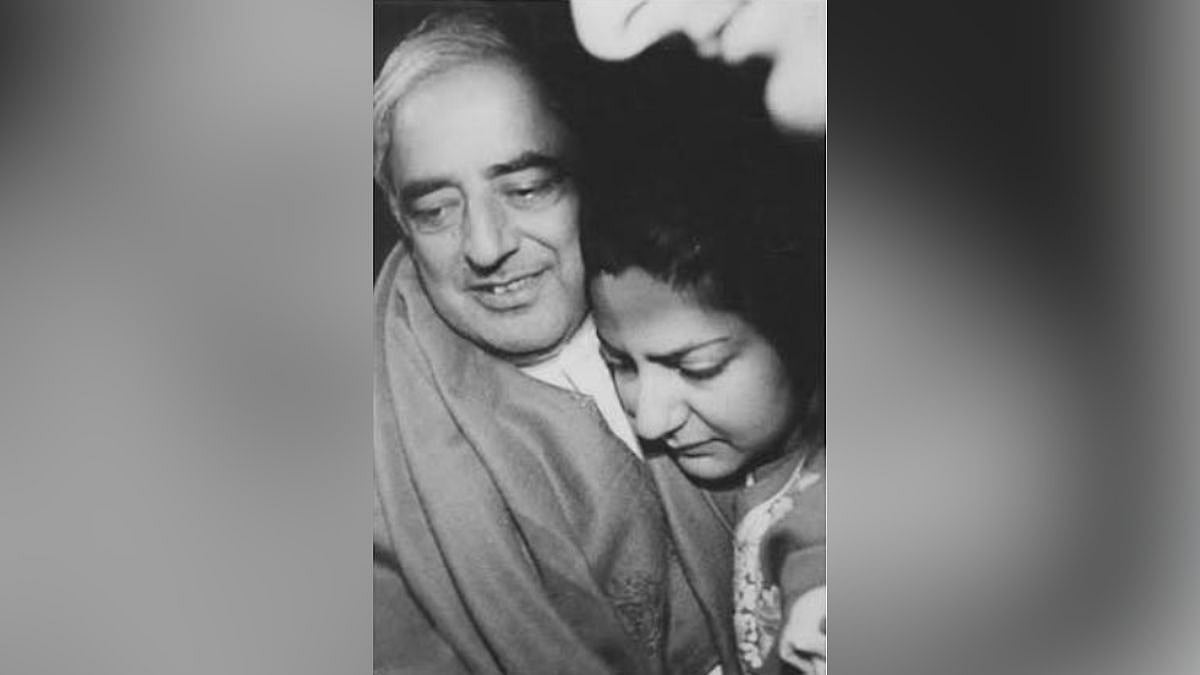
Thirty-six years after one of the most sensational abductions in India’s contemporary history, an accused, long believed to be a key conspirator, has finally been arrested. The Central Bureau of Investigation’s custody of Shafat Ahmad Shangloo—an alleged JKLF functionary who reportedly handled the outfit’s finances—marks a significant development in the 1989 kidnapping of Rubaiya Sayeed, daughter of then Union Home Minister Mufti Mohammad Sayeed.
Yet, the very timing of this arrest raises troubling questions about the pace and purpose of criminal justice in cases that shaped national security discourse. The CBI maintains it has evidence that Shangloo was in touch with JKLF chief Yasin Malik before a group of militants intercepted Rubaiya near a hospital in Srinagar.
Few incidents in Indian history demonstrated the state’s vulnerability as starkly as this abduction. The kidnappers were not only given kid-glove treatment but were also reportedly served Kashmiri-style mutton biryani, even as they held the Home Minister’s daughter.
Worse, they secured the unconditional release of five jailed JKLF militants—an extraordinary capitulation by the VP Singh government, which the BJP then supported from the outside. For Mufti Mohammad Sayeed, India’s first Muslim Home Minister, the episode was a personal and political blow.
It was humiliating that his emissaries had to negotiate with militants, even as the nation watched the government bend under pressure. That the episode “ended well” because Rubaiya returned unharmed does not erase the fact that it ended shamefully for the Indian state.
The greater shame, however, lies in what followed. The trial of the case has drifted for decades, stalled repeatedly on technical grounds, procedural delays and witness-related issues. Even Rubaiya’s 2022 identification of Yasin Malik as one of her abductors failed to infuse the system with urgency.
Malik, now in Tihar Jail in a terror-financing case, has been attending hearings only through video conferencing due to security restrictions. Meanwhile, key accused, like Shangloo, remained out of reach for over three decades despite a Rs 10 lakh reward on his head. This inertia is not an isolated institutional failure.
The Kandahar hijacking of 1999—when the Vajpayee government’s external affairs minister had to personally escort freed terrorists to Afghanistan—was another moment when India appeared helpless before militant coercion. The pattern is unmistakable: we forget, we delay, and we move on without learning.
The arrest of Shangloo should not become yet another footnote in this long saga of neglect. It must, instead, serve as a reminder that justice delayed is not merely justice denied—it is dignity denied, both for victims and for the nation. The least India owes itself is a judicial process that concludes with credibility, not one that limps on indefinitely.

