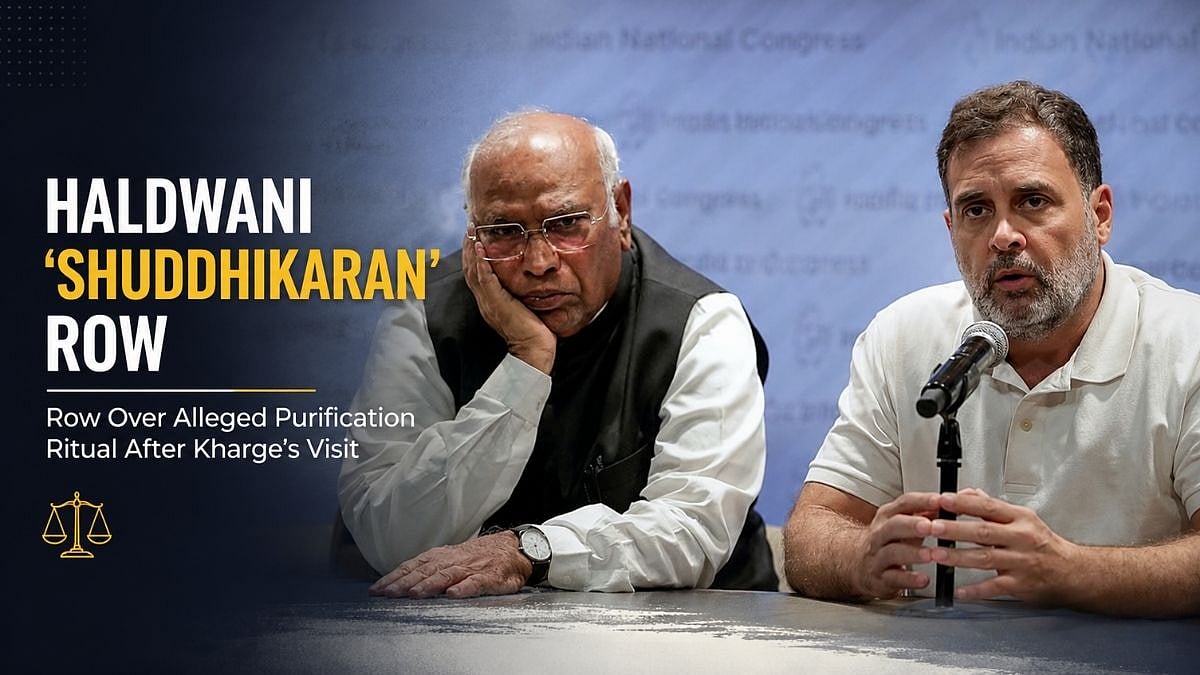
Purification is not cleaning. The distinction matters because cleaning concerns hygiene, while purification can carry a disturbing caste and religious meaning. The alleged “shuddhikaran” ceremony at Haldwani must be viewed in that context.
Anyone who has visited a venue after a political, religious or social gathering knows the scene: plastic bottles, paper, food waste and other rubbish scattered across the ground. The larger the gathering, the greater the mess.
Cleaning staff remove the waste and restore the place. Nobody calls it purification. The same workers perform an equally thankless task after heavy rain, clearing mud and garbage from roads and lanes. Their contribution is rarely noticed. Yet nobody suggests that they are purifying the roads.
Purification And Caste Prejudice
Purification belongs to a different vocabulary. India has a long history of treating the presence of certain people as polluting. Jagjivan Ram, one of the country’s tallest political leaders and a distinguished minister, once learnt that a place from which he had addressed a gathering was subsequently subjected to a purification ceremony.
Former Union minister Vayalar Ravi had a similar experience. His grandchild was taken to a famous temple for a religious function, but the authorities apparently failed to appreciate one fact: Ravi’s wife was Christian. These are not isolated curiosities.
They show that the battle against caste prejudice is far from over. Kerala’s Temple Entry Proclamation of 1936 was a historic repudiation of untouchability. Yet its author, poet Ulloor S. Parameswara Iyer, faced ostracism from sections of his own caste. His assertion that he had ceased to be defined by caste and was simply a human being captured the moral force of the reform movement.
Questions Over Haldwani Incident
The Haldwani incident appears to belong to this troubling history. The facts must be established. But if Mallikarjun Kharge’s presence at a venue was followed by a purification ritual because of his caste, this was not merely an insult to an individual; it was an affront to the Constitution, and it cannot be accepted under any circumstances.
The authorities’ response makes the episode more disturbing. Instead of first asking who conducted the purification and why, an FIR has reportedly been registered against the Leader of Opposition, Rahul Gandhi, for protesting against it. Those who allegedly performed the ritual appear to have escaped similar scrutiny.
This inversion of accountability is becoming familiar. When churches are vandalised, complaints sometimes lead to cases against church authorities rather than those who damaged them. When discrimination is protested, the protester becomes the accused.
A criminal case cannot purify prejudice; it can only expose the mindset behind it. If Haldwani was merely cleaned, let that be established. If it was “purified” because a Dalit leader had spoken there, the country needs no purification of the facts. It needs accountability.

