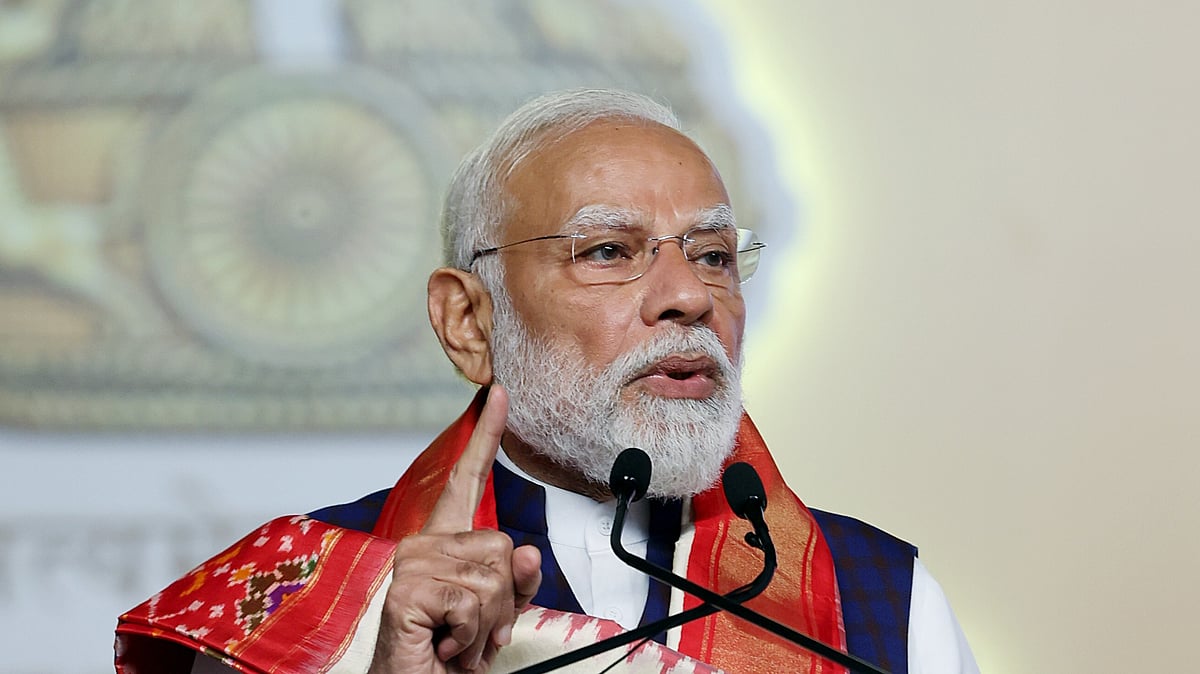
Prime Minister Narendra Modi’s patriotic call to austerity, exhorting citizens to use less fuel, buy less gold, and postpone foreign trips, among other things, has come just as the dust settles after elections in West Bengal, Assam, Tamil Nadu, Kerala and Puducherry. He is about to embark on another international tour.
Public memory may be short, but the PM’s appeal brings to mind the long convoys and special aircraft crisscrossing these states carrying political personages. Thoughts of frugal fuel use were distant until recently. The Union government even assured the country in March that 70% of crude imports were routed away from the Strait of Hormuz, and energy supply was secure; India also has significant refining capacity to meet its needs.
But then, US and Israeli military adventurism in Iran has left crude prices volatile and threatens the stability of retail fuel prices. For India, it also depletes hard currency. Modi’s prescription for sacrifice is belated and unlikely to appeal to elites, but it is an opportune moment to consider what could really be done to avoid depleting forex reserves while keeping the economy on track.
India’s transport policies still favour private cars
Moving people is basic to grow the domestic sector, but India’s policies privilege cars. In fact, the PM unwittingly reinforced this during his Bharat ki Baat, Sabke Saath interview eight years ago in London, when he said buses lack high aspirational value and people yearn to buy a car; many ambitious Indians thus prefer car-based mobility.
Cars do yield taxes, employment and ancillary businesses, but then so do buses, trams and trains. Public transport users spend their surplus buying various goods and services, as free buses for women have proved.
What can help cut high spending on petroleum fuels are measures that boost active mobility. The PM e-Sewa scheme to add 10,000 electric buses across urban areas is a good initiative, although it is restricted to small towns and not designed for metros with teeming populations, where fuel use and economic activity are highest.
Also, the e-bus scheme requires infrastructure to be set up only by 2027. A more immediate solution would be to consult state governments on quickly expanding bus operations, slashing fares or enabling fare-free public transport, along with Singapore-style intelligent tolls and stiff parking fees for urban car users to fund the expansion.
Policy changes needed to reduce fuel dependence
States can also restrict powered vehicles to part of the road, incentivising use of bicycles by creating protected biking lanes. An urgent programme to repair footpaths will encourage short trips by walking, avoiding two-wheeler use.
Without active measures, any hike in petrol and diesel prices will cast a heavy burden on the poor and the middle class, who have no commuting alternatives. Making app-based cost-sharing carpools legal would bring many new vehicles into the shared mobility space.
Governments should go beyond exhortations and tweak policy to address the challenge.

