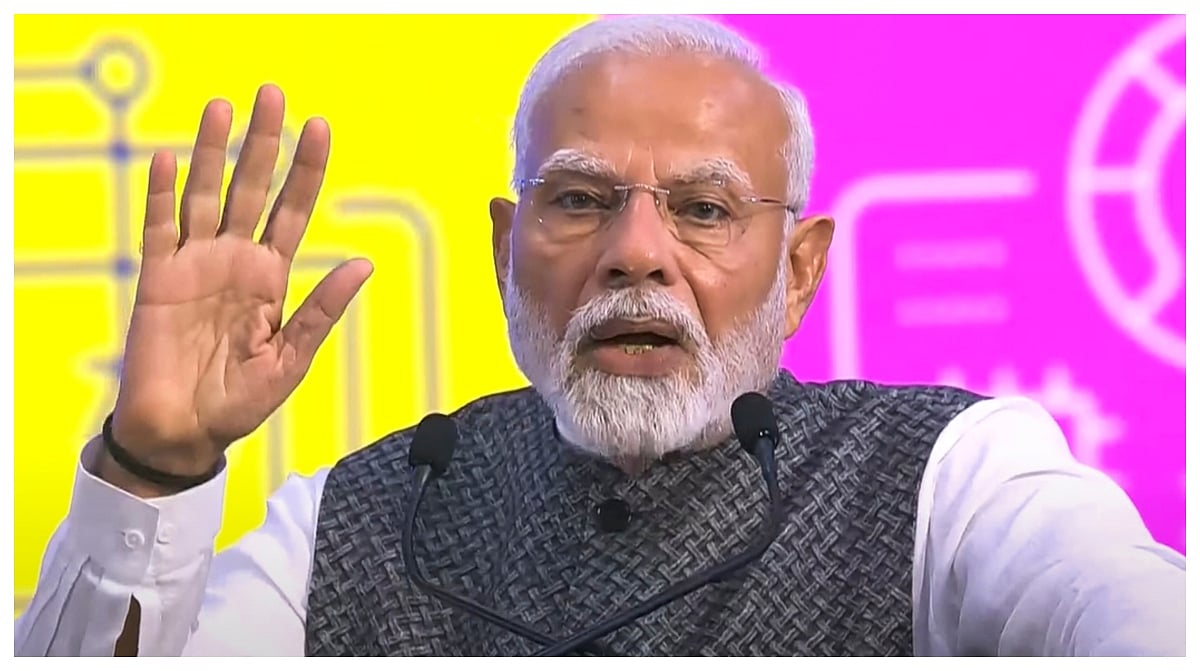
Prime Minister Narendra Modi has, of late, been speaking about the need for austerity and responsible spending in difficult times. What distinguishes his latest move is that he has chosen to practise what he preaches. His decision to travel in a car accompanied by just one security vehicle, though within the high-security Parliament-Rashtrapati Bhavan area, carries symbolic value.
More significant is his direction to the Special Protection Group to cut by half the number of vehicles in his convoy. In a political culture where power is frequently measured by the length of a motorcade and the blare of sirens, such a step sends a powerful message.
Austerity message must reach all levels
Home Minister Amit Shah and Defence Minister Rajnath Singh have reportedly followed suit by instructing their security establishments to reduce excesses in their own arrangements. If this spirit percolates downward to ministers, officials, business leaders, and the affluent classes, the impact could be substantial.
Austerity cannot remain a slogan meant only for the common citizen while the powerful continue with extravagance at public expense.
Global tensions underline need for restraint
The timing of these measures is significant. The global situation remains deeply uncertain because of the continuing tensions arising out of the US-Iran conflict. Though a ceasefire is in force, neither US President Donald Trump nor the Iranian leadership is known for restraint. In fact, both seem made for each other in obstinacy.
Any escalation can once again endanger the Strait of Hormuz, through which nearly one-fifth of the world’s oil supplies pass. Even without a full-scale conflict, uncertainty in the region has already pushed crude oil prices beyond the 100-dollar mark.
For an import-dependent country like India, this is alarming. Every additional dollar spent on oil imports strains its foreign exchange reserves. It is against this backdrop that Modi’s call for moderation and conservation must be understood. The message is not merely political theatre; it reflects the need for economic preparedness in a volatile global environment.
India must guard against reckless consumption
India’s vulnerability does not end with oil imports. The country also spends enormous amounts of foreign exchange on importing gold despite possessing one of the world’s largest private gold reserves. After petroleum products, gold imports account for one of the biggest drains on foreign exchange.
India cannot afford to forget the humiliating moment in 1991 when gold from the Reserve Bank had to be airlifted to London to secure emergency loans. That painful episode should remain a permanent warning against reckless consumption.
Every rupee saved today strengthens the nation tomorrow. Whether through working from home, using public transport, avoiding unnecessary foreign travel, or reducing the craze for gold purchases, citizens can contribute meaningfully.
Leadership by example essential for public trust
However, austerity will succeed only when political, social, and business leaders abandon ostentation and set personal examples. Sacrifice carries credibility only when it begins at the top.
