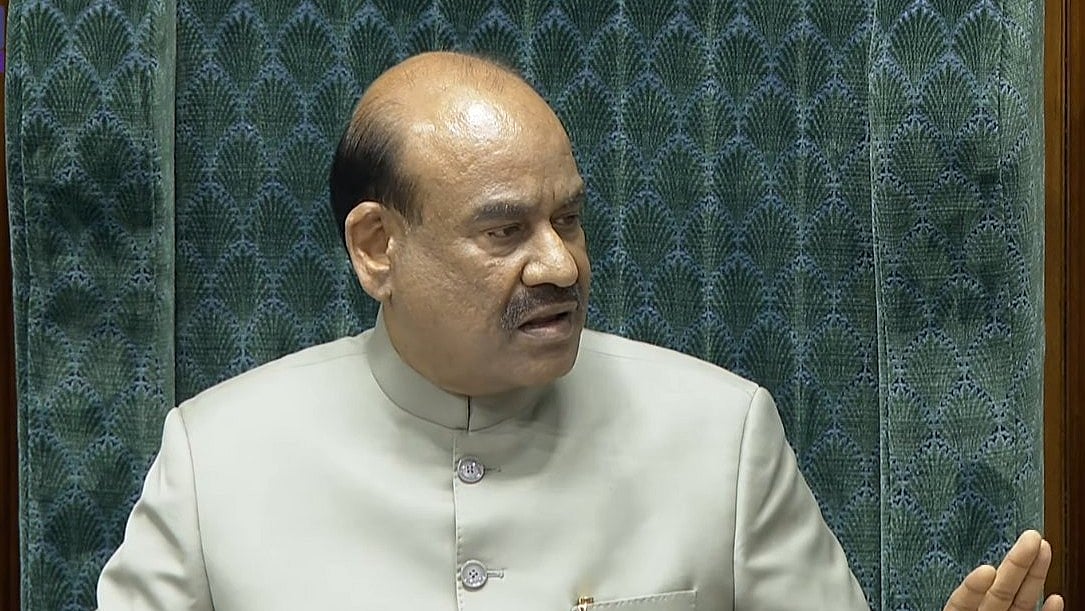
Few in Parliament expected the no-confidence motion against Speaker Om Birla to succeed. The ruling National Democratic Alliance commands an overwhelming majority in the Lok Sabha. The Opposition, therefore, had little numerical chance of pushing through a resolution seeking the Speaker’s removal. Predictably, the motion was defeated through a voice vote. Yet, the significance of the motion lies not in its failure but in what it reveals about the present state of parliamentary functioning.
Under India’s constitutional scheme, the Speaker occupies a pivotal position. Once elected, he ceases to be merely a nominee of the ruling party and becomes the custodian of the House. His foremost responsibility is to conduct proceedings in an impartial manner.
Tradition of impartiality in the Speaker’s office
Historically, most Speakers have tried to uphold these high standards. From the days of the first Speaker, G.V. Mavalankar, the office has been associated with dignity and restraint. Though the Speakers came from the ruling party, they generally conducted proceedings with a sense of detachment from partisan politics, in keeping with the best traditions of parliamentary democracy.
It is precisely this tradition that the Opposition believes has been eroded in recent years. The very fact that parties felt compelled to move a no-confidence motion against the Speaker reflects a deep trust deficit.
Opposition leaders, including Leader of the Opposition Rahul Gandhi, have repeatedly alleged that the Chair has been unfair to them and that their voices are often curtailed.
Concerns over absence of Deputy Speaker
Another matter that has added to the unease is the absence of a Deputy Speaker. Until Narendra Modi assumed office in 2014, it was customary for the Deputy Speaker’s post to be given to a member of the Opposition. This arrangement was widely seen as a healthy convention that helped maintain balance and mutual trust in the functioning of the House.
Government defends the Speaker
The government, for its part, has strongly defended the Speaker. Senior leaders, such as Amit Shah, have described the motion as regrettable and emphasised Birla’s integrity. They argue that frequent disruptions by Opposition members have made the smooth conduct of the House difficult.
Need to restore parliamentary credibility
Both sides may have their grievances, but the larger issue remains the credibility of Parliament itself. In a democracy, the ruling party will inevitably have the final say because it commands the numbers. But democracy also requires that the Opposition be given adequate space to question, debate, and dissent.
Ultimately, the responsibility for restoring the spirit of parliamentary debate lies with all key actors — the Speaker, the Leader of the House, and the Leader of the Opposition. They must ensure that the Lok Sabha remains what it is meant to be: the nation’s foremost forum where public issues are debated and decisions taken in the finest democratic spirit.

