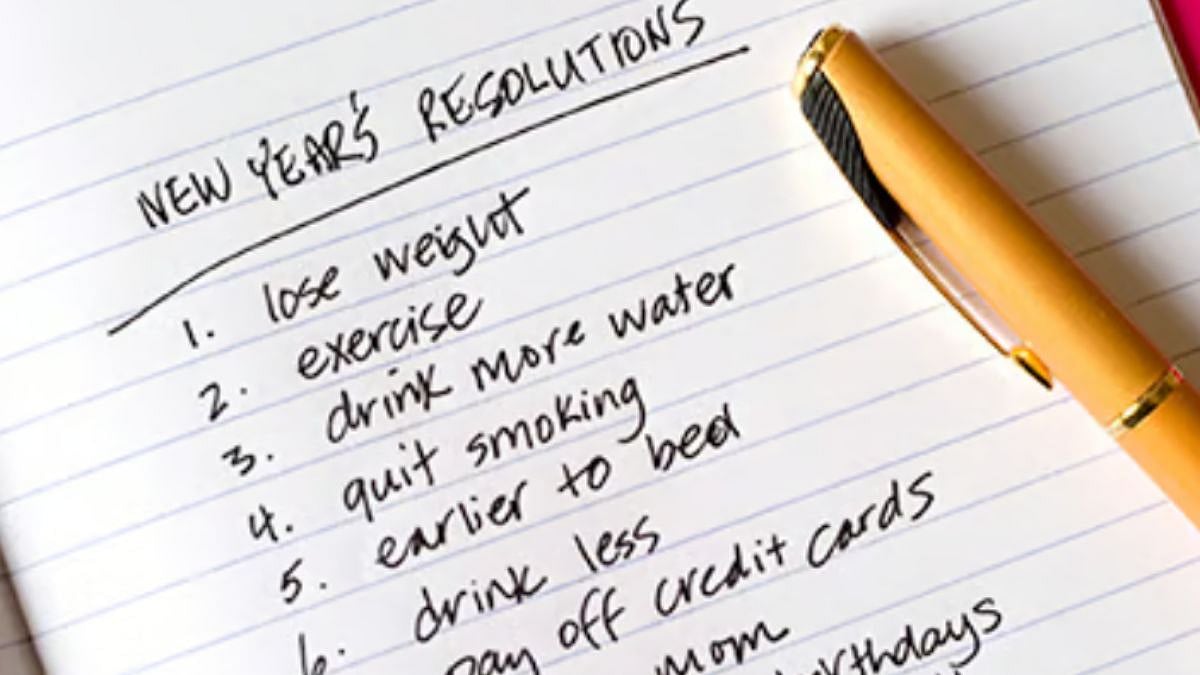
Happy New Year! Many of us start the year with New Year’s resolutions, while others have learnt the futility of making them, only to abandon them within weeks.
Why does this happen? All resolutions are well-intentioned—good changes for our health and happiness. Yet, most fizzle out quickly. The usual reason: we are not truly bought into them.
Borrowed ideals, not real priorities
Often, these are ideals picked up from parents, teachers, or social media—things we believe we should do but have not genuinely embraced. They are not really our priorities.
Take a simple example: getting up an hour earlier to walk, attend a yoga class, or use that gym membership. It is an excellent idea. Many gyms are packed in January but empty out within months, despite year-long paid memberships. This happens because we do not truly value it.
Disconnect between health and daily choices
We have not connected these resolutions to our actual priorities. We do not understand what enjoying good health truly means. We have normalised our mildly unhealthy bodies and pill-popping habits.
Given this, resolutions naturally do not last unless we tie them to our long-term priorities—and health is everyone’s long-term priority. Unless we connect our resolution to that, unless we see its value and impact on our wellbeing, it will not work.
Unrealistic expectations set us up to fail
Another reason for failure is unrealistic expectations. Someone accustomed to waking up at 8 am will not suddenly wake up at 5. Starting at 6.30 or 7 is more reasonable and doable.
Unless we make our resolutions practical, tie them to our genuine priorities, and truly understand their value, they will remain just that—resolutions and nothing more. As the song goes, “It’s nice to get up in the morning, but nicer to stay in bed.”
What makes resolutions last
The key to lasting change is this: connect your resolutions to your deepest values, make them realistic, and understand how they serve your long-term wellbeing.
All the best for the New Year!
The writer is the founder of Aarsha Vidya Foundation. He can be reached at aarshavidyaf@gmail.com

