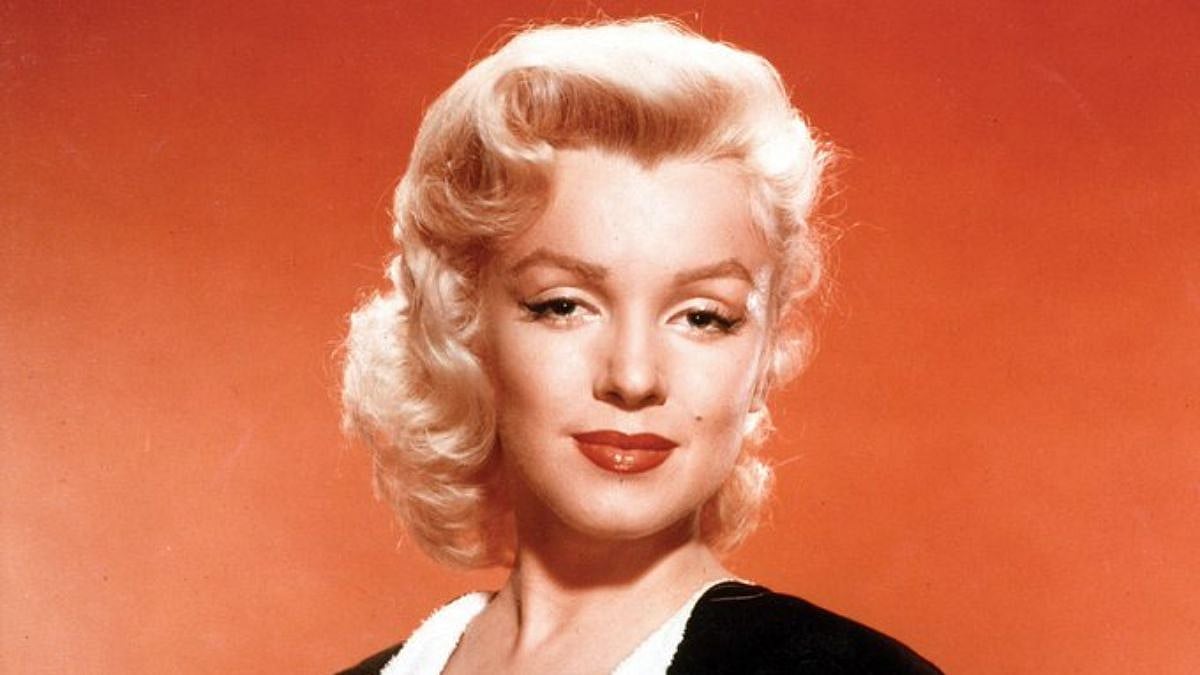
Marilyn Monroe would have been 100 on June 1 had she been alive. But at 36, she called it quits, reportedly overdosing on drugs at her Los Angeles home. It was August 5, 1962, and the world woke up shocked. Her lovers, the Kennedy brothers included, were shaken and even scared, for Marilyn was no ordinary woman.
She was all fire and fury, with a pout that got men ignited. For the world, she was a sex symbol, divine and dolled up, an actress who was acclaimed and adulated. But away from the arc lights and glittering glamour, she was condemned, censured and castigated.
A troubled early life
Reclaimed as an intellectual comrade by the Communist Party of Britain, her political leanings arose from her work at the country's mutinous factories. Her earlier life was even more pathetic. She went from one orphanage to another after her mother, Gladys Pearl Baker, was shifted to a mental asylum.
With a father missing and desperate for stability, Marilyn married an older man, James Dougherty—a union that did not last long. However, she found real peace and happiness when she was discovered as a pin-up girl, a move that finally saw her don greasepaint.
Politics, defiance and intellect
While her onscreen life was well documented, her admiration for Marx and the Chinese revolution—as the FBI found out—came as a rude shock to a world that believed in her naivety and innocence. She was a militant anti-racist and defied the cowardice of McCarthyite witch hunts.
She carried her defiance further when she married the blacklisted playwright Arthur Miller. Perhaps her insolence stemmed from brutal class exploitation and patriarchal violence at a young age; her superior intellect and sarcastic wit reduced men to a terrible state of inferiority—and at a time when the fairer sex had little say or power.
The rise and tragedy of a Hollywood icon
Her appeal was mesmeric in the lead roles she played in the 1950s. Niagara, Gentlemen Prefer Blondes, How to Marry a Millionaire and The Seven Year Itch, among others, made her supremely popular.
People may have called her a dumb blonde, even a sex siren, with her nude images on Playboy covers causing even greater scandals and adding to her discomfort. It was a very conservative America that she lived in, and probably all this pushed her towards the poison pills.
Yet, there seems to have been some sort of last-minute attempt at living. For many hours, she tried calling her friends and lovers, including, we are told, the Kennedys. None took the call, and a shattered and shunned Marilyn, hungry for love and attention, opened the bottle of pills and bade goodbye to a world that treated her shabbily and with utter disdain.
