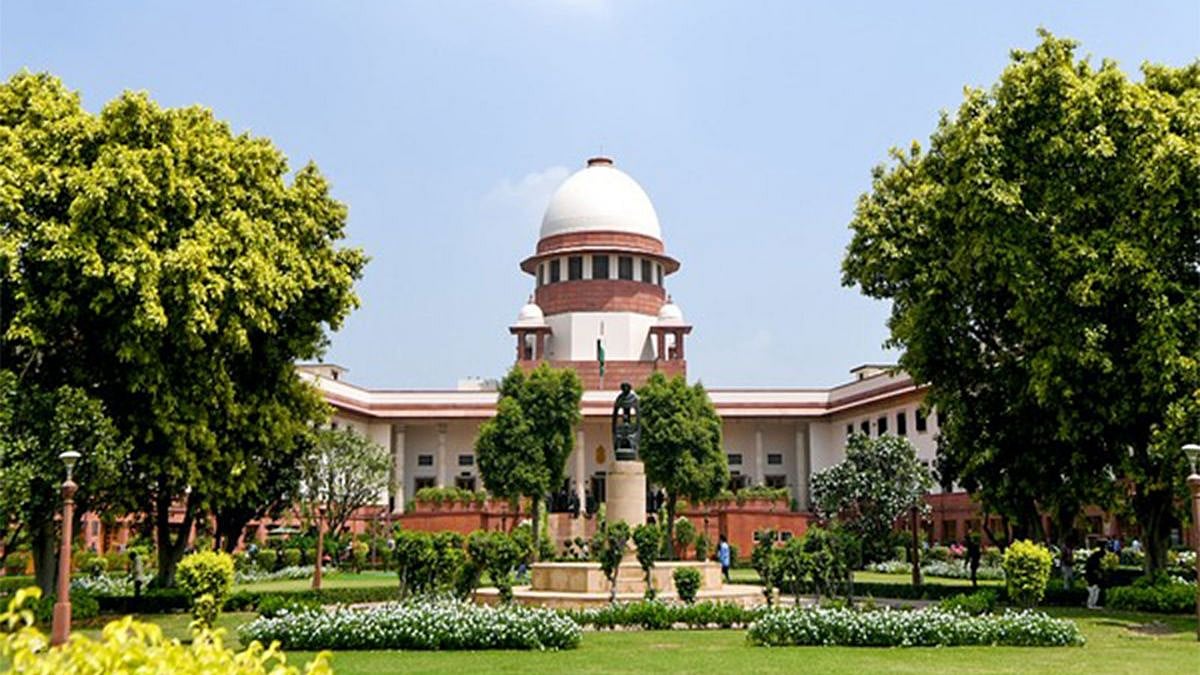
The Supreme Court has brought much-needed clarity to the law governing the detention of individuals by the police. It has ruled that the 24-hour deadline for producing a detained person before a judicial magistrate begins from the moment his liberty is actually curtailed and not from the time the police formally register a case or record an arrest. The ruling strikes at a practice that allowed law enforcement agencies to circumvent a fundamental constitutional safeguard through procedural manoeuvres. The police have often resorted to a convenient stratagem: detaining a person for questioning, sometimes for hours and occasionally for days, before formally registering a case against him. The time spent in such unofficial custody was then excluded from the 24-hour period prescribed by law. In effect, the police could keep a person under their control without being accountable for the constitutional obligation to produce him before a magistrate. The Supreme Court has now made it clear that such practices are impermissible.
Article 22(2) of the Constitution expressly provides that every person arrested and detained in custody must be produced before the nearest magistrate within 24 hours of arrest, excluding the time necessary for the journey from the place of detention to the magistrate’s court. The significance of the judgement lies in its interpretation of what constitutes the beginning of detention. The clock starts ticking the moment a person’s liberty is first restricted, whether for questioning, searches, seizures or any other purpose. The police cannot postpone the starting point by delaying the formal arrest or registration of a case. The Court also settled conflicting interpretations adopted by the Orissa, Madras, and Kerala High Courts while upholding the precedent established in the Biswajit Mandal case. Its message is unequivocal: custody exceeding the constitutionally permitted period without production before a magistrate cannot be justified, and the detained person is entitled to release.
This does not mean that the police must obtain judicial permission before making every arrest. Law enforcement agencies must have the freedom to act swiftly when circumstances demand immediate intervention. There can be situations in which an arrest cannot wait for procedural formalities. But exigencies cannot become standard operating procedures. The police must also establish that continued questioning is necessary for collecting evidence and that such questioning requires the accused to be remanded to police or judicial custody. Personal liberty is too precious to be sacrificed at the convenience of investigating agencies. The Constitution does not recognise a distinction between formal and informal detention when it comes to the deprivation of liberty. The apex court has rightly reminded the police that paperwork cannot legitimise an otherwise unlawful deprivation of freedom. In a democracy governed by the rule of law, liberty must prevail over police convenience.

