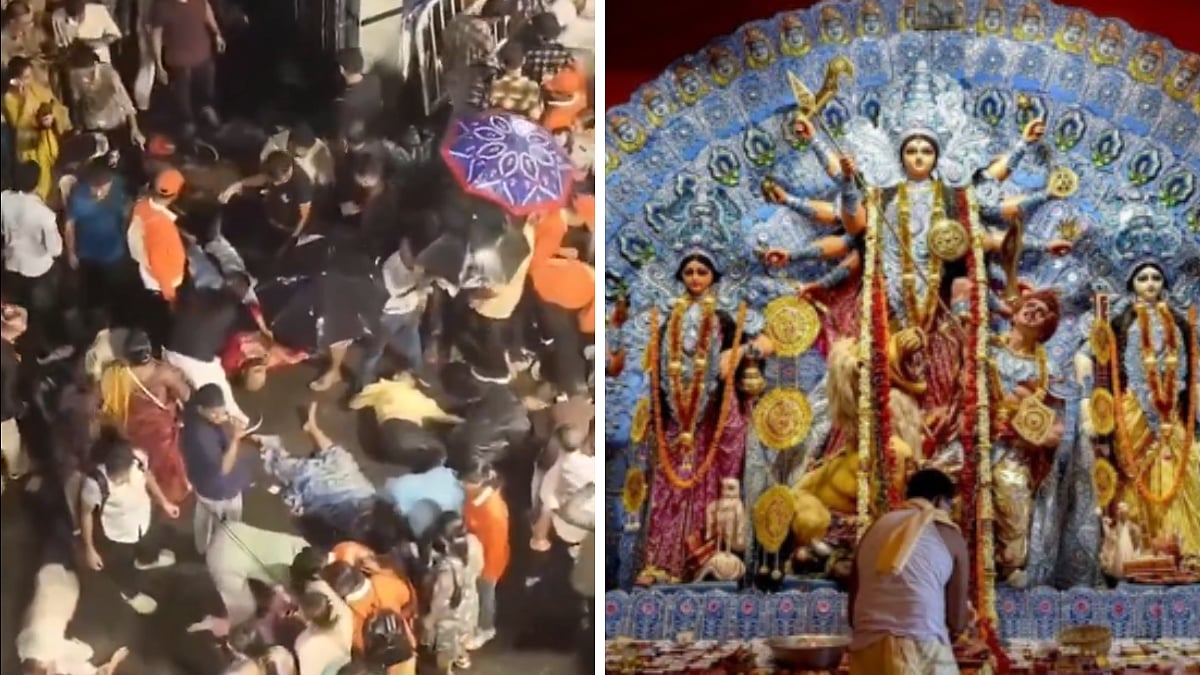
The deadly stampede at a Durga Puja pandal in Kolkata that killed at least 19 people, most of them women and children, and injured many, has marred one of the most colourful festivals in the country. It is a sobering reminder to the West Bengal government that it must turn its attention to administering a populous state without the distractions of everyday political one-upmanship. There can be no excuse for its failure to conduct a planned festival in an orderly fashion, since the protocols for crowd management were set by the National Disaster Management Authority (NDMA) as early as 2014. Bengal Chief Minister Suvendhu Adhikari has shown wisdom in hindsight, assigning a battery of senior police officers to puja management duties after the ghastly stampede. A ban on VIP entrances at such events is being proposed. Had sufficient alacrity been shown ahead of the celebrations, the pandal arrangements would have met the NDMA guidelines, ensuring a structural audit, an assessment of anticipated visitor numbers, a graded system of entry based on carrying capacity, and sensible communication at the venues to ensure order. It is inexcusable that state administrations have not learnt from successive recent disasters, such as the 2024 Bhole Baba satsang in Hathras that killed 121 and the terrible Bengaluru stadium and New Delhi railway station stampedes last year.
Crowd management protocols demand enforcement
At the core of the NDMA protocol for state governments, local administrations, and event organisers is crowd control that uses a hold system, restricting the number of people entering a venue at a given point. Such considerations may seem unimportant to local committees organising pujas, but state administrations should insist on strict implementation and not adopt populist logic. The benefits of using crowd assessment technology and structural safety practices in a large site attracting tens of thousands of people, such as the Tirupati Balaji temple, cannot be lost on states. The system of disaggregating queues based on the holding capacity of the sanctum sanctorum in that shrine is well known. The Kashi Vishwanath and Somnath temple administrations have been looking at Tirupati as a model.
Preventing panic and future tragedies
In Kolkata, if reports are true, loose statements about the stability of the pandal in rain played a part in triggering panic and provoked a crowd surge; messages that cause panic are at the root of many stampedes. The massive force of a crowd overwhelming the vulnerable was totally preventable. Arresting seven members of the Chorbagan puja committee can only assuage public anger and do little to create a convincing culture of safety. At a Delhi puja location, a move to enforce the law on festival timings and noise pollution using lathi-wielding CRPF personnel created an avoidable confrontation with the organisers. Governments should show their resolve by adopting scientific crowd management practices and work with temple and festival committees to prevent future stampedes, fires, and electrocutions.

