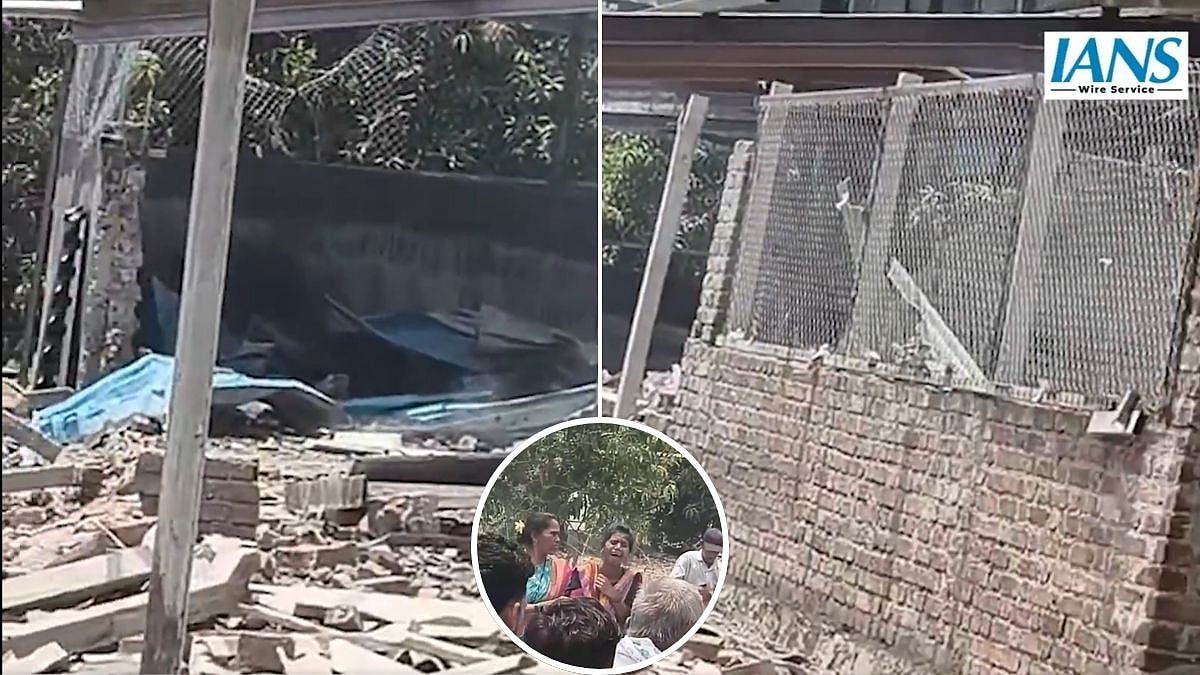
Two recent tragedies, one in Thrissur, Kerala, and another in Palghar district, Maharashtra, have once again exposed a grim and familiar truth: India continues to treat the manufacture and use of fireworks with a recklessness bordering on indifference.
Fourteen lives lost in Kerala and two in Maharashtra are not mere statistics; they are reminders of a systemic failure that repeats itself with numbing regularity. Moreover, more than an equal number of people were seriously injured, with some losing body parts forever.
Recurring safety failures
In Thrissur, the accident occurred in an open paddy field where fireworks were being prepared for the famed Thrissur Pooram due on April 26. The explanation offered—that excessive heat triggered the blaze—only deepens concern.
If something as predictable as the summer sun can ignite catastrophe, what does it say about the safety protocols in place? The fact that rescue efforts were hampered by secondary explosions suggests not only poor planning but also a dangerous concentration of volatile materials without adequate safeguards.
Pattern of disasters
The tragedy in Palghar, which took place at a fireworks manufacturing facility, mirrors another recent disaster in Virudhunagar district, Tamil Nadu, where 25 people were killed. Tamil Nadu, particularly Sivakasi, dominates India’s fireworks industry.
Yet, its history is littered with fatal accidents, raising uncomfortable questions about regulation, enforcement, and the value placed on human life. Kerala, too, has seen its share of horrors, the most infamous being the Puttingal temple fire, which claimed over 100 lives a decade ago.
Each time, there is outrage. Each time, promises are made. And each time, they dissolve into the smoke of the next celebration.
Tradition versus safety
Fireworks, particularly those associated with religious festivals, are often defended in the name of tradition. But this argument does not withstand scrutiny. The spectacular displays at Thrissur, for instance, have little to do with faith and everything to do with spectacle. Tradition cannot be a shield for negligence, nor can it justify recurring loss of life.
Environmental and health concerns
Beyond safety, the environmental and health costs are undeniable. Fireworks pollute the air, distress animals and birds, and pose serious risks to infants and the elderly. In an age where entertainment is abundant, the continued obsession with fireworks appears increasingly anachronistic.
Call for decisive action
Yet political leaders and opinion makers remain reluctant to challenge this dangerous indulgence. Their endorsement, often couched in cultural pride, drowns out the voices calling for restraint and reform. It is time to confront an uncomfortable reality: fireworks are not merely harmless celebrations; they are a recurring public hazard.
What is needed is decisive action. Political and social leadership must rise above populism and take the bold step of banning fireworks altogether. Anything less would be a tacit acceptance that these tragedies are the price the nation is willing to pay for fleeting spectacle.
