Governors occupy an important position in India’s constitutional scheme. They have to ensure that state governments function within the framework of the Constitution. Yet, the Constitution prescribes no special qualifications for the office. The Union government can recommend virtually anyone for appointment, and successive governments have exploited this discretion to reward political loyalists. For many, the Lok Bhavan has become a comfortable sinecure. The Narendra Modi government has taken the partisan use of gubernatorial appointments to new heights. In Opposition-ruled states, governors have frequently been accused of obstructing elected governments and creating constitutional confrontations. In BJP-ruled states, the same office often appears to demand little beyond ceremonial presence. Such selective activism undermines public confidence in an institution meant to stand above party politics.
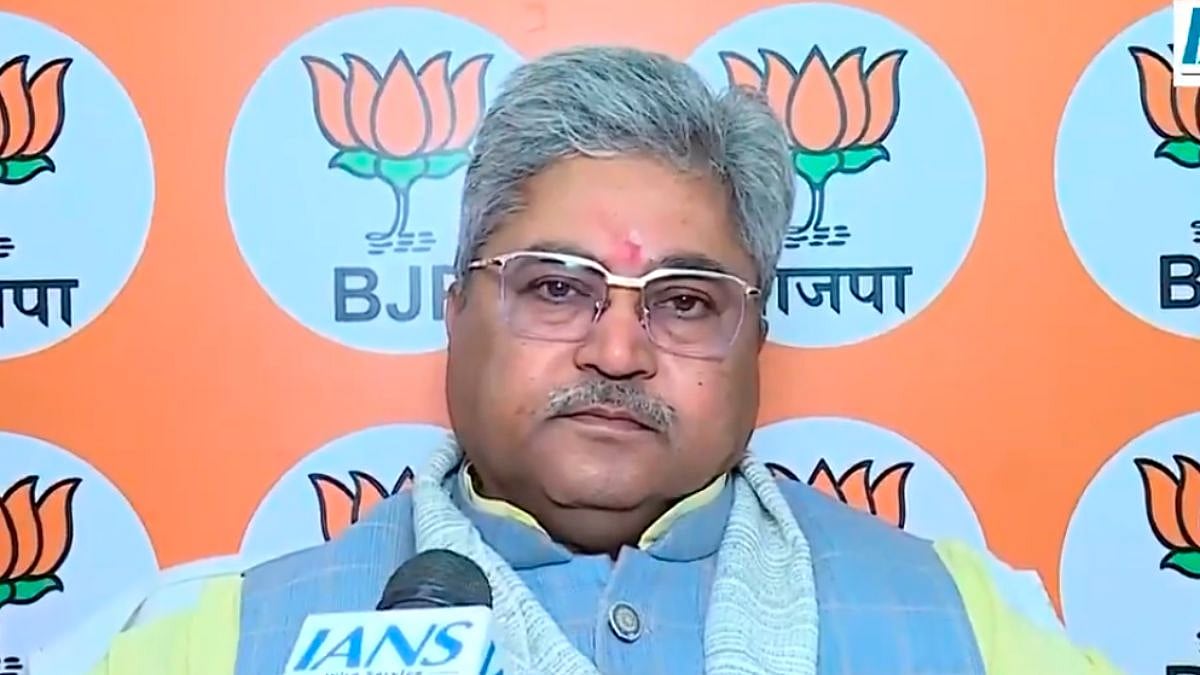
The appointment of Dushyant Kumar Gautam as Sikkim Governor has triggered a particularly disturbing controversy. His name has been drawn into the unresolved VIP angle in the 2022 murder of Ankita Bhandari, a 19-year-old receptionist at a resort in Uttarakhand. Her parents have alleged a connection, but allegations are not proof. Gautam has denied the accusations, and the Delhi High Court has ordered the removal of social media posts linking him to the murder. It would, therefore, be unjust to pronounce him guilty without evidence. Nevertheless, questions surrounding the case deserve a credible resolution. The family’s anguish and demand for a thorough investigation cannot simply be brushed aside. Their fear that a gubernatorial appointment could complicate criminal proceedings must also be addressed through an authoritative explanation of the constitutional protections available to governors. There is no compelling reason why the appointment cannot be deferred until the investigation clarifies the outstanding questions. The BJP is not short of leaders who could serve in Sikkim. Why insist on Gautam at this juncture? President Droupadi Murmu should reconsider the recommendation. The appointment process must inspire public confidence, not deepen suspicion. The principle that Caesar’s wife must be above suspicion is especially relevant to a constitutional office.
The controversy surrounding Odisha Governor-designate Braj Mohan Ram reinforces the point. His reported declaration that he would strengthen the BJP and increase its vote share was wholly incompatible with the office he was about to assume. His subsequent description of the remark as a slip of the tongue does not erase the initial concern. A governor may have strong political loyalties before appointment. Once sworn in, however, the Constitution must take precedence over party allegiance. His duty is to serve the people impartially, without fear or favour. Governors are constitutional authorities, not party agents. The President and the Union government must ensure that appointments uphold this distinction. Otherwise, the Raj Bhavan risks becoming an extension of the ruling party’s headquarters rather than a guardian of constitutional propriety.

