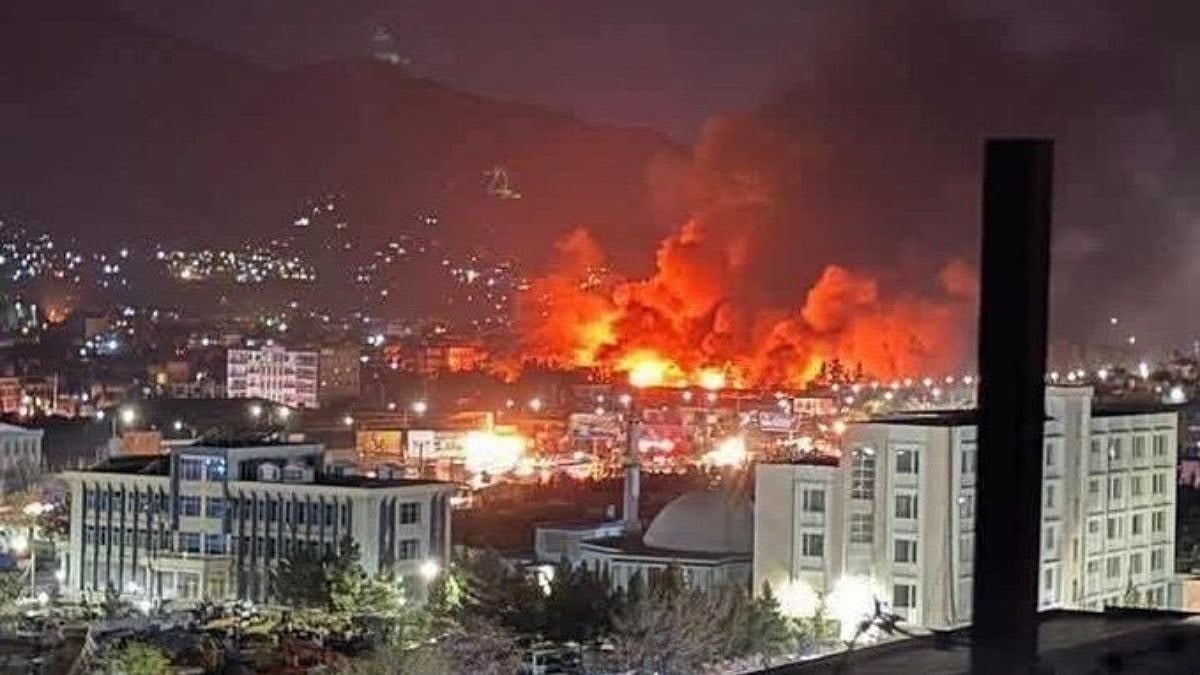
The bombing of the Omid Drug Addiction Treatment Hospital in Kabul by Pakistan’s air force deserves the strongest possible condemnation. Few acts in warfare are as morally indefensible as the deliberate targeting of a facility where the sick and vulnerable seek healing.
According to reports, nearly 400 patients undergoing treatment for drug addiction were killed in the attack. Many of them were already suffering the agony of withdrawal and were in no condition to flee or defend themselves. They became helpless targets in an act that violates not only the norms of civilised conduct but also the most basic principles of humanity.
The hospital, a former U.S. military base converted into a rehabilitation centre, had become a refuge for those attempting to reclaim their lives from addiction. Instead, it turned into a site of mass death.
The attack also represents a blatant infringement of Afghanistan’s sovereignty and airspace, underlining the dangerous disregard Pakistan has repeatedly shown for international norms.
Echoes of past conflicts and civilian suffering
India’s Ministry of External Affairs was right in describing the bombing as a barbaric and unconscionable act. The victims were civilians who had nothing to do with the tensions along the Pakistan-Afghanistan border. They were men struggling with addiction, seeking treatment in a facility that symbolised hope and recovery.
Their killing serves no conceivable military purpose. For many Indians, particularly those familiar with the early days of the Kashmir conflict, the episode evokes grim historical memories. When Pakistan-backed tribesmen invaded Kashmir in 1947, the world witnessed similar brutality, including the sacking of a hospital in Baramulla and the killing and assault of innocent civilians, among them a Catholic nun.
The swift securing of Srinagar airport and the eviction of the raiders remain chapters written in golden letters in India’s military history. Equally haunting are the memories of the atrocities committed by Pakistani forces in East Pakistan before the 1971 war. These episodes reveal a troubling pattern in which civilian lives are treated as expendable.
Call for consistent global moral accountability
The world community must, therefore, unequivocally condemn this assault on Afghanistan’s sovereignty and on the sanctity of humanitarian institutions. The moral clarity demanded in such situations must also be applied universally.
The bombing of a school in Iran during the early days of the current conflict in West Asia, which reportedly killed several children, was similarly horrific. Initial attempts to deny responsibility did little to soften the tragedy when evidence suggested the missile involved was of American origin.
Civilian deaths, whether in a rehabilitation centre in Kabul or in a schoolyard in Iran, demand the same moral outrage. Nations often weigh their responses through the prism of strategic interests, but humanity expects something higher.
When barbarity wears different uniforms and produces the same suffering, the world must ensure that its voice of condemnation is guided not by convenience but by conscience.
