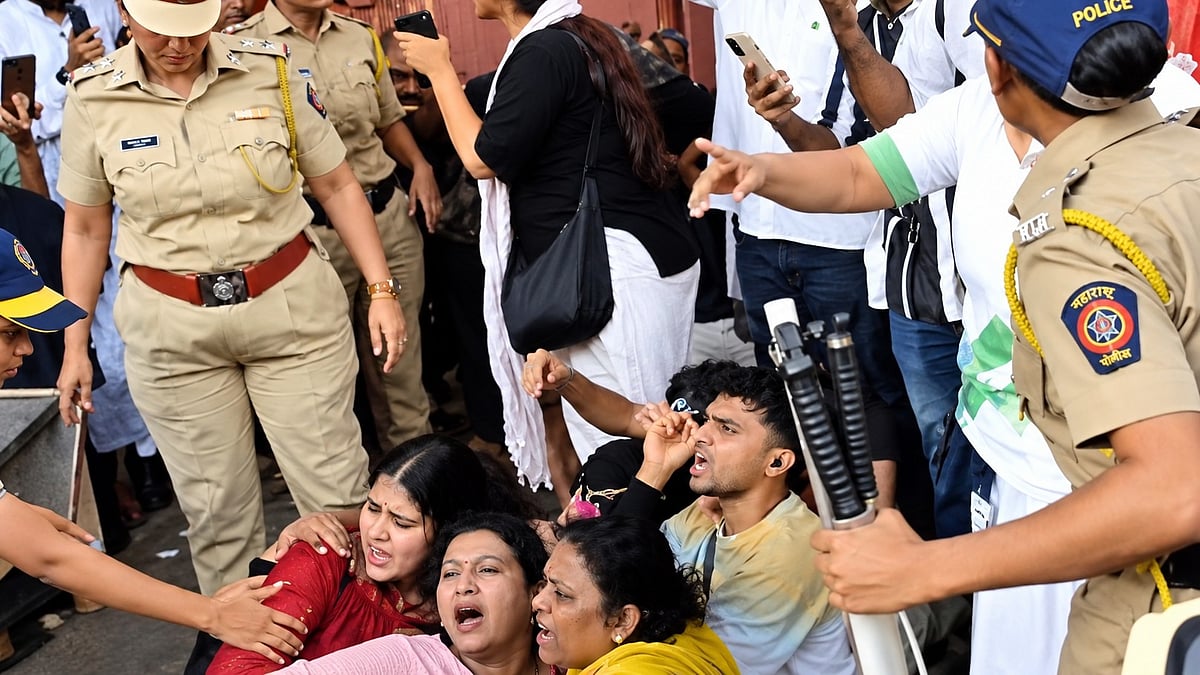
What Delhi witnessed on Saturday was unprecedented. Even during the infamous Emergency of the 1970s, the capital had not witnessed such an extraordinary mobilisation of police to prevent citizens from assembling in protest. The objective was to stop students and other demonstrators from reaching Jantar Mantar. In the process, Delhi, and indeed the entire country, became one giant Jantar Mantar. Never before had bona fide passengers been intercepted aboard aircraft or young people travelling by train prevented from reaching their destinations because the government feared their participation in a protest. Several long-distance trains were cancelled, and 45 Metro stations faced restrictions. Reports of buses being immobilised and roads obstructed added to the spectacle of a capital seemingly determined to stop its young people from being heard. Preventive detention loses its moral justification when it becomes an instrument to discourage peaceful dissent.
What warranted this extraordinary show of force? The protest sought the resignation of Chief Election Commissioner Gyanesh Kumar over the Special Intensive Revision (SIR) of electoral rolls. One may agree or disagree with the protesters’ demands, but the right to peaceful assembly cannot depend on whether the government finds a protest inconvenient. Nor can criticism of a constitutional authority be treated as an offence merely because it challenges those in power. The irony is difficult to miss. Many of today’s rulers received their political baptism in the Navnirman agitation in Gujarat, which helped bring down the Congress government there. Having benefited from popular mobilisation against an incumbent government, they should understand why dissent is indispensable to democracy. Jantar Mantar has long served as Delhi’s designated space for public protest. If citizens cannot assemble even there, the government sends a deeply troubling message about its attitude towards democratic freedom. The United Nations Human Rights Office has also expressed concern over reports of mass detentions before and during protests, urging respect for peaceful assembly.
Students are not enemies of the state; they are its future. A government confident of its democratic legitimacy should answer their questions, not barricade their path. It should meet criticism with facts, not fear, and disagreement with dialogue, not detention. If the rulers believe that students can be silenced through barricades, mass arrests, and spiked lathis, they misunderstand both democracy and youth. The right to protest is not a concession granted by those in power; it is an inalienable democratic right. Governments may regulate demonstrations to ensure public safety, but restrictions must be lawful, necessary, and proportionate. Turning an entire capital into a fortress to prevent a peaceful gathering does not demonstrate strength; it exposes an administration unable or unwilling to engage with dissent. Force may disperse a crowd, but it cannot extinguish the spirit of protest. That spirit is what keeps democracy alive.

