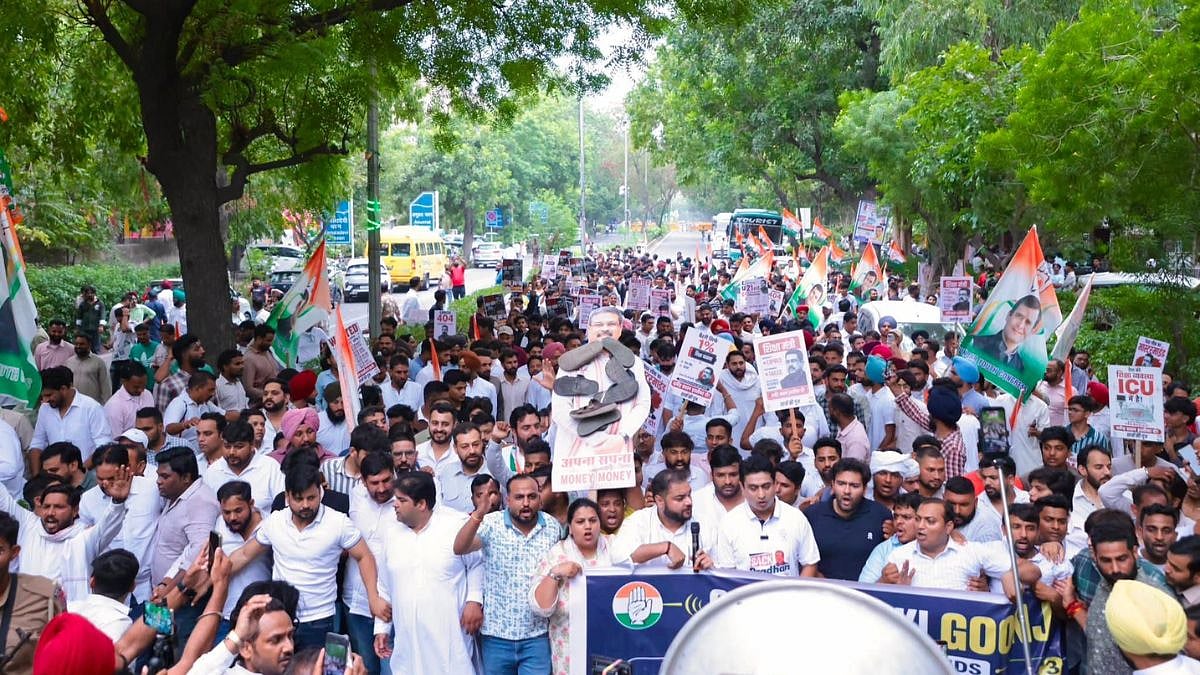
The student agitation in Ranchi raises a simple question: can the same grievance be legitimate in Delhi and illegitimate in Jharkhand? Those who supported student protests in Delhi over the NEET question-paper leak have little moral standing to condemn students protesting in Ranchi. In Delhi, thousands of aspirants were affected by allegations surrounding NEET, leading to its cancellation. In Jharkhand, students are protesting the manner in which the 14th Jharkhand Public Service Commission (JPSC) preliminary examination and other recruitment tests were conducted. Social media posts have raised disturbing questions about the results, including allegations that candidates who attempted very few questions nevertheless secured remarkably high positions. Such allegations must be investigated, not dismissed. If government recruitment tests can be manipulated through corruption, nepotism or favouritism, the damage goes beyond the candidates affected. It strikes at the basic idea of merit and destroys young people’s faith in fairness. The Hemant Soren government must accept moral responsibility.
The government has ordered a state police investigation. That may not be enough to allay apprehensions that the irregularities could not have occurred without the connivance of people within the system. An independent agency would have greater credibility. The demand for a CBI inquiry, therefore, need not be resisted. The CBI itself is not above criticism, particularly given concerns that agencies can come under political pressure. Yet, it remains a specialised agency for investigating corruption in government institutions. A CBI inquiry could inspire much greater confidence than one conducted by the state police. If the government admits serious failures in the examination process, the demand for complete cancellation and reconduction of compromised JPSC and Jharkhand Staff Selection Commission examinations is reasonable. Tainted private agencies handling examination data should be blacklisted. OMR examinations should include a ‘not attempted’ option, while technology should make it possible to generate results immediately. Officials found responsible must face legal action or resign.
The use of tear gas, water cannons, and lathis by the police against protesters in Ranchi deserves scrutiny. Whether the force was excessive is a matter for impartial assessment. What is beyond dispute is the obvious political opportunism surrounding the controversy. The Bharatiya Janata Party has condemned the police action and called for state-wide shutdowns, putting the Soren government under pressure. Yet, the BJP and its student wing, the Akhil Bharatiya Vidyarthi Parishad, adopted a different posture during the student protests over NEET in Delhi. The contradiction is obvious. Student agitation does not become legitimate merely because it embarrasses an opponent, nor illegitimate because it embarrasses a government they support. The future of students cannot be reduced to an instrument of partisan politics. Parties must apply the yardstick to themselves and their opponents. Otherwise, their defence of students is mere political convenience.

