It is not difficult for the police to extract a confession from a person in their custody. Few people can withstand sustained pressure, threats or third-degree methods, particularly when they are completely at the mercy of the police. That is why the law has always treated confessions made to the police with deep suspicion. A confession in police custody cannot become a substitute for evidence.
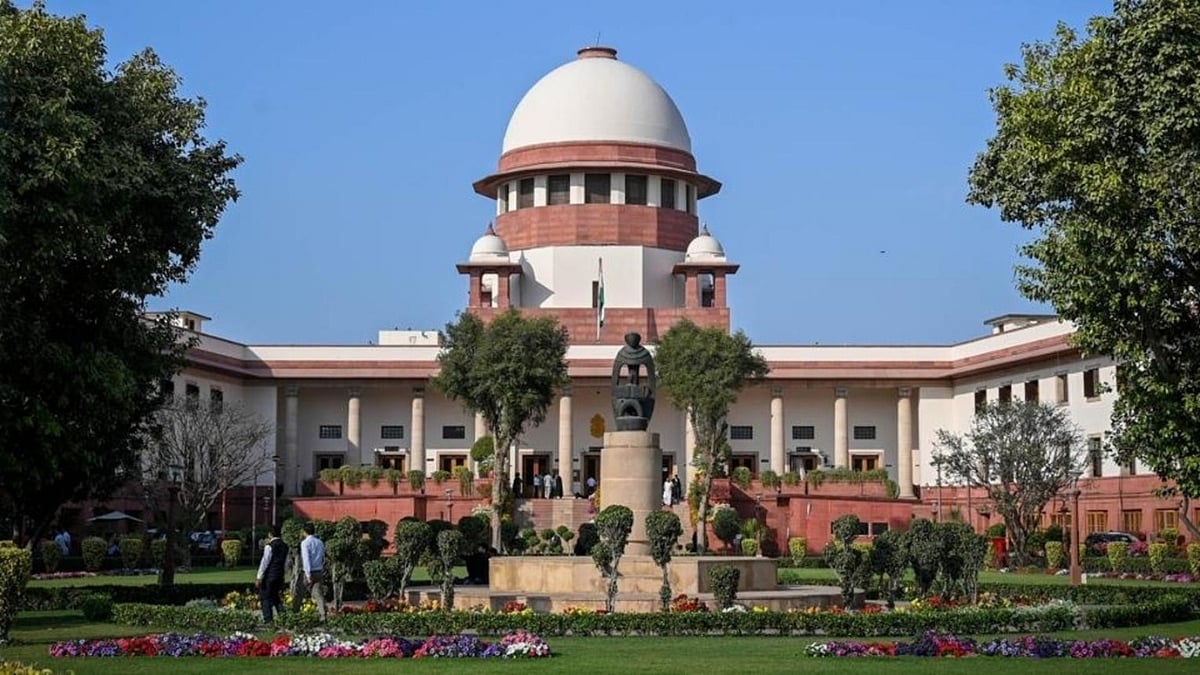
The Supreme Court has now reaffirmed this basic principle while quashing the preventive detention of Mulla Afroz in connection with the November 2024 Sambhal violence and ordering the Uttar Pradesh government to pay him Rs 10 lakh. The Bench of Justices Dipankar Datta and Sheel Nagu held that the National Security Act had been invoked unlawfully.
Afroz Case Chronology Raises Questions
The chronology of Afroz’s case is revealing. He was arrested in January 2025, 54 days after the Sambhal violence. He was not named in the principal FIR, and the prosecution’s case against him came to rest substantially on a confession allegedly made while he was in police custody. Afroz maintained that the confession had been extracted through torture.
The state failed to produce the video that it claimed would nail him. More disturbing was what happened when Afroz obtained bail. The Allahabad High Court granted him bail on September 9, 2025, in one of the criminal cases. Instead of allowing the normal judicial process to take its course, the authorities invoked the NSA against him on October 13. He was already in custody in other cases, but the detention order was justified partly on the apprehension that he might indulge in similar activities.
By June 2026, he had obtained bail in all the criminal cases relating to the incident, yet the NSA detention continued. That was precisely where preventive detention became punitive detention in disguise. The NSA is intended to prevent future acts prejudicial to public order or national security. It cannot be used simply to counter a court’s decision to grant bail.
Court Draws Line On Preventive Detention
The apex court was categorical: preventive detention cannot be used to defeat the ordinary criminal process. If the police have evidence that a person committed a crime, they must place that evidence before the trial court.
They cannot keep the person imprisoned indefinitely because they fear that the court may grant him bail. The Sambhal violence was undoubtedly serious. Those responsible must face trial and punishment if found guilty. But the seriousness of an allegation cannot dilute constitutional safeguards. The police investigate.
The courts decide guilt and impose punishment. When the police use preventive detention to frustrate bail and rely on a contested custodial confession, that distinction collapses. The Rs 10 lakh compensation is, therefore, a warning: extraordinary powers cannot become shortcuts around ordinary law. The police cannot punish; they can only investigate and produce evidence.

