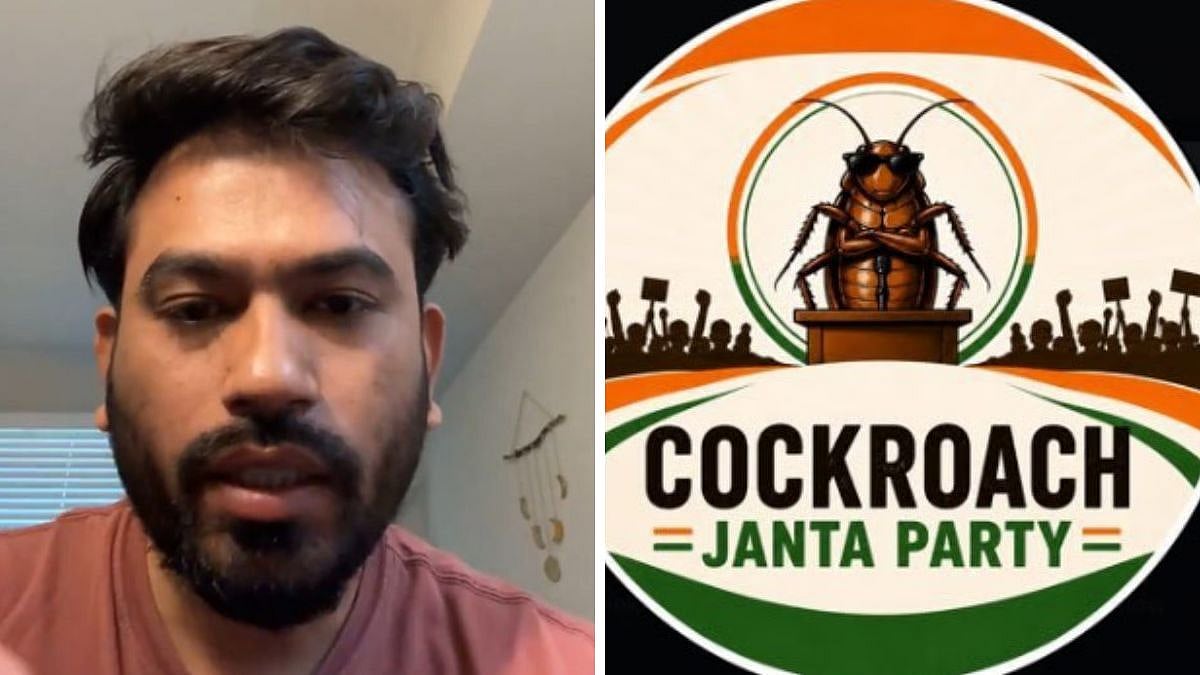
The first well-attended protest rally of the Cockroach Janta Party (CJP), the amorphous and spontaneous product of youth resentment, at Jantar Mantar in Delhi has served the political class an ultimatum that goes beyond the immediate demand for Education Minister Dharmendra Pradhan’s resignation over the NEET and CBSE scandals. An inconsiderate comment from a high constitutional functionary calling unemployed youth in the country ‘cockroaches’ has produced a movement that is unorganised in form but potentially powerful in its impact. It is to the credit of the government that the maiden CJP protest was allowed to take place and, equally, to the protesters for keeping tempers in check. The CJP’s evolution in the coming months remains unpredictable. There are many layers of contention for those unhappy with the national status quo, beginning with unemployment, lack of a living wage, precarity, poor retirement security, unaffordable healthcare, children’s education and housing, and urban dysfunction. While political parties drum up the demographic dividend potential of youth, the graduate unemployment rate stood at 29.1% as per the International Labour Organisation (ILO) data for 2024. Jobs in the IT sector have been declining for some segments, and the marquee companies have significantly downsized their labour force over the past few years; more job cuts are in the offing due to AI deployments and automation. The informal sector, meanwhile, continues to make up 80% of the economy, and the number of such workers rose over the 2024-25 figure by 6%, pointing to the fragility of the majority of households. Against such a backdrop, disappointments have coalesced under a banner named after a detested but resilient insect, spawning cockroach face masks, satirical videos and a whole new rebel lexicon.
India’s inequity levels—among the world’s worst—and policy deficits must be addressed with a sense of urgency, but it is equally important to allow online pressure valves to dissipate frustrated energies. Any effort to stamp out websites, social media accounts, and creative displays is bound to give it a further head of steam. In the NEET and CBSE crises, the protests by political parties have been met with a stiffer response, as opposed to the mild treatment given to the CJP. That is unsurprising, considering the highly inflammable potential of a national student and youth agitation. An appropriate and benevolent response would be to support youth through caps on the price of education, skilling, housing, and mobility. Active redistribution of economic prosperity through suitable taxes on unearned—speculative—incomes and personal wealth, making cheaper social services possible, can tamp down the negative feeling in the younger generation. The CJP is under pressure to keep its movement apolitical and focused on reform. How much traction it gets and its future course will depend on the sagacity shown by governments.
