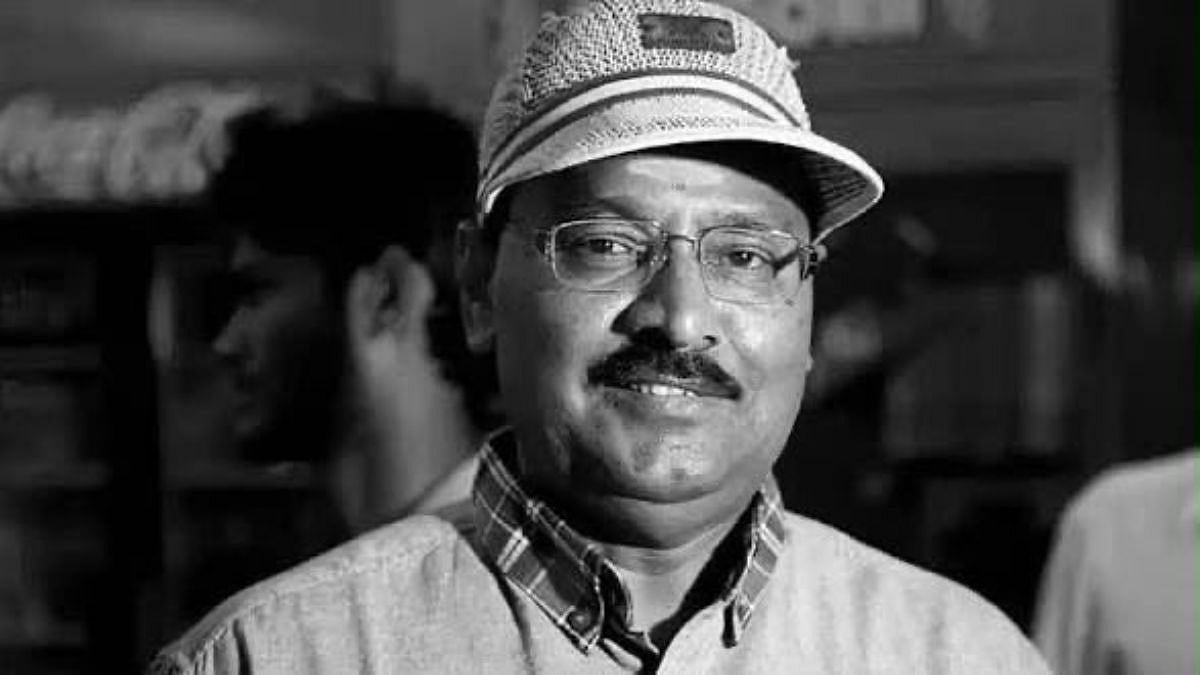
Much like Bollywood's triumvirate of Dev Anand, Dilip Kumar and Raj Kapoor, Tamil cinema had Krishnaswamy Bhagyaraj, K. Balachander and Mahendran to rub shoulders with one another. Bhagyaraj, who passed away on June 27 in Chennai after a cardiac arrest, was often described as the king of screenplay, although he directed and acted with equal consummate ease. Charming, with handsome good looks and an infectious smile, he was iconic, having stepped behind the camera 25 times and in front of it 75. Born on January 7, 1953, in Vellangkoil in interior Tamil Nadu, he was not one to rush into being a commander. Rather, he gradually learnt the ropes of motion and movement by working as an assistant director to the legendary Bharathiraja (who also passed away a few days ago).
Rise Of A Screenwriting Legend
One of Bhagyaraj’s first forays into writing began with 16 Vayathinile (16 Years), which became a cult classic with its moving story of a teenage girl who was raped and brutalised. Starring Sridevi, in her career-defining role, and Kamal Haasan, in one of his early films, the work was gripping, although the story was not exactly novel. His first major steps into screenwriting came with Suvarilladha Chiththirangal (Canvasless Pictures). About an impoverished rural family, the film firmly established Bhagyaraj as a master of screenplay. But before that, he had left his footprints in a variety of places. He wrote the dialogues for Bharathiraja's Sigappu Rojakkal (Red Roses) and the screenplay for Kizhakke Pogum Rail (The Train Which Goes East), also playing minor characters in both. It was in Puthiya Vaarpugal (New Forms), directed by Bharathiraja, that he clinched his first major lead role and won the Tamil Nadu State Film Award for Best Dialogue Writer.
Journey Through Cinema
Bhagyaraj's initial journey in cinema was a struggle. He had to drop out of college in Coimbatore and, in what seemed so cinematic, pulled a rickshaw (remember Balraj Sahni in Do Bigha Zamin). Later, he transformed into—believe it or not—a circus clown in Kakinada. He then travelled to Madras (now Chennai) to seek his fortune, first as an assistant to established directors such as G. Ramakrishnan and Bharathiraja, carefully watching the industry as it floated through a sea of turbulent changes that came with a bonus—creativity. The camera went out of the studio gates; so did the artistes. Studio sets and artifice were replaced with real villages and small towns. Through all these films, we saw Bhagyaraj's gripping scripts. His writing often reflected a sense of immense joy even when narrating the saddest of stories. Therein lay his brilliance. Therein lay the Bhagyaraj magic.
