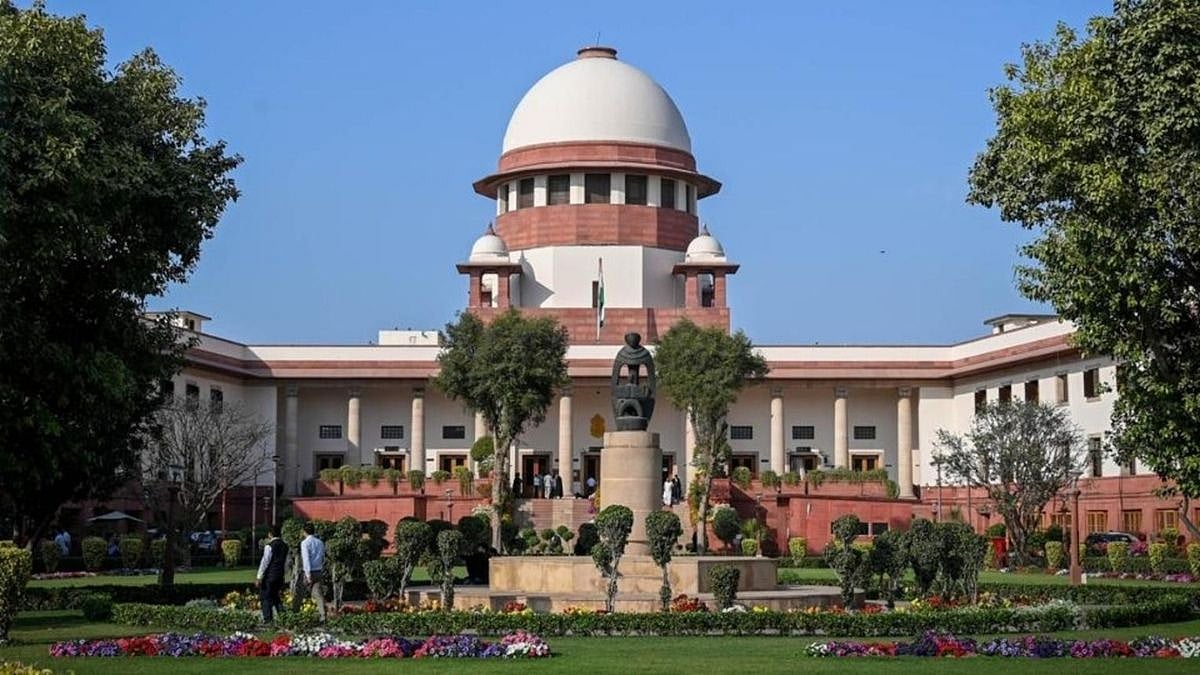
The Supreme Court’s suo motu intervention in the growing menace of digital arrest scams in the country is a step in the right direction. The Court is right in asking banks to compensate those who have lost money in such scams. Banks have so far washed their hands of the issue, claiming that account holders themselves transfer money to scammers posing as officials of the CBI, ED or RBI.
The Supreme Court bench has said banks have been softpedalling on the issue. The Court also questioned why individual account holders cannot be compensated, especially when crores of rupees in unpaid loans can be written off. Most victims, it noted, are senior citizens.
The Attorney General tried to soften the blow, suggesting that the number of cases had come down since the Court began intervening and that any direction from the Court would have serious implications for banks. The RBI is in the process of framing rules and guidelines to be followed in such cases, with consultations underway with various banks, the AG informed the Court.
However, the matter demands urgency, and a deadline must be set for putting rules and procedures in place. In any case, banks cannot absolve themselves of responsibility for such scams. While banks generally alert account holders when suspicious transactions take place, no specific computerised programmes have been put in place to prevent them.
For instance, suspicious and unusual transactions from senior citizens’ savings accounts could automatically be put on hold for 24 hours, until the recipient accounts are checked and a bank official speaks to the account holder. In the case of senior citizens receiving foreign remittances or dealing with large sums, personal visits to the bank could be made mandatory for continued and suspiciously large transactions.
Better still, vulnerable individuals must be encouraged to voluntarily give up internet banking. It is expected that the RBI guidelines will include such strong safeguards. A senior advocate in the case pointed out that various awareness campaigns had done little to help, as it is the fear of arrest that makes most victims pay up.
There must also be a parallel police campaign to arrest culprits operating from clusters of villages in certain areas of Jharkhand and Haryana. Scam call centres in Cambodia and Myanmar have largely been shut down following police action.
Here too, the police have done a good job so far, but the rising number of cases suggests that certain banking agents and insiders may be involved in the scams, leaking bank details in exchange for money. Banks should also discontinue the appointment of freelance loan and insurance agents who have a free run of their premises. This is where the real danger lies.

