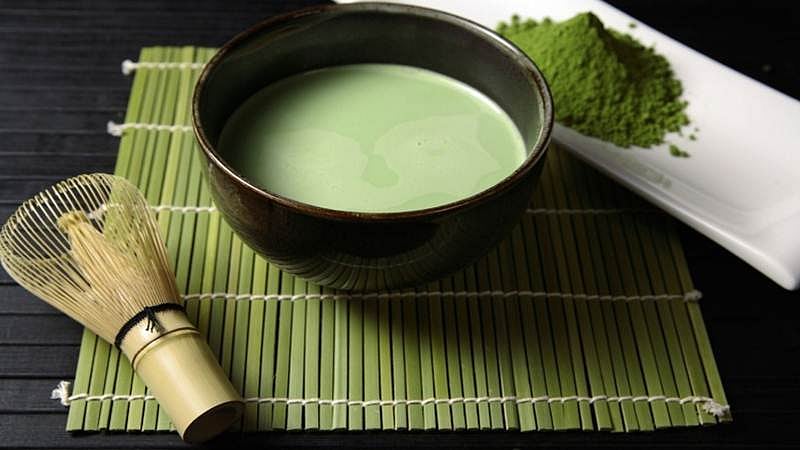
IT helps not in just reducing weight, but the tea has several other health benefits as well, writes Sonali Pimputkar
Green tea has become a trend lately. The conception that it helps to reduce fat, shrink your waistline and other numerous health benefits makes it popular among the tea lovers and health conscious junta alike. There are several types of green tea available but the latest to become the darling of all is the ‘Matcha’ tea. If you haven’t tried or heard about the newbie yet, you are behind the times. Don’t worry we will share the magical Matcha gyan with you.
Matcha is a powdered green tea made from the leaves of Camellia sinensis plants. The leaves are steamed, dried and then stone-ground into fine powder. In order to prevent its beautiful colour and antioxidant properties the tea is stored away from sunlight and oxygen. Although the nutrient rich tea originated in China more than 1,000 years ago, it has now become an integral part of the Japanese culture.
“Top grade Matcha is a bright side of green. The light green varieties are sweeter and the darker ones are astringent. It has a very strong fresh vegetal savouriness followed by bitter and malty sort of umami taste,” says Amit Mehta, Tea Sommelier and founder of Chado Tea India.
Health benefits of Matcha:
How to make Matcha tea?
Matcha as an ingredient
Matcha is not just a beverage it can also be consumed as an ingredient. It is used muffins, brownies, pastries, milk shake and soups. Kavita Mathur, Tea Guru at Tea Trails, says “Since Matcha is grassy and not liked much by Indian palette we make it available to the people in the form of milkshake and soup.” When asked the Tea Guru whether Matcha loses or reduces its health benefits when consumed in other forms. She informs, “Having Matcha in any form doesn’t impact its benefit. In soup and milkshake we use it large quantity so that the other ingredients doesn’t dilute the flavour, colour and health benefits.”
Not everyone’s cup of tea:
Plants absorb lead from the soil and when it comes to Matcha lead contamination is a distress. As the powder is made using the whole leaf, there are 25-30 times chances of more consumption of lead as compared to other green tea.
Though Matcha helps in lifestyle-related diseases it is advised to consume not more than 2 cups throughout the day. “It is an all-day beverage in Japan, in India the ideal quantity may vary from individual to individual. Studies say 20-30 cups of green tea is equal to 1 cup of Matcha,” says Mehta.
Since Matcha contains some amount of lead and caffeine it is best to avoid giving it to children, pregnant and breast-feeding women. People with severe health issues and those on medication should consult a doctor before consuming Matcha in any form.
[alert type=”e.g. warning, danger, success, info” title=””]
Where to get your Matcha fix
Chado Tea India retails Matcha tea in two grades – ceremonial at Rs 19,500 and baking at Rs 13,500 per kg. You can also get a trial pack of 30 grams.
If you are craving for Matcha soup or milk shakes head to Tea Trails.
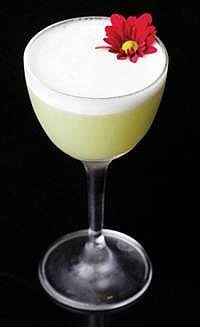
The delightful cocktail at Koko in Kamala Mills Compound has Matcha, broccoli juice, Kahwa tea, white chocolate and Parmesan as the main ingredient.
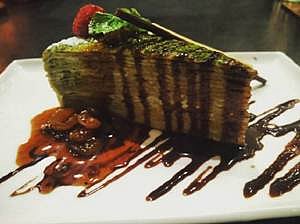
The Japanese eatery Yuuka at the St Regis Hotel serves the intricate Matcha dessert that has 40 thin layers of creep made with Matcha served with rum and raisins sauce.
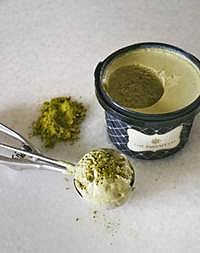
The Parfait Co. serves Matcha parfait that is made with Matcha powder, eggs, sugar, cream and natural flavours minus colours and preservatives.
[/alert]
