Pune: PMC Launches ‘Bhau Flex Kadha’ Portal, Invites Citizens To Report Illegal Banners
Launched by Additional Municipal Commissioner Prajit Nair, the initiative seeks to make citizens active participants in the enforcement drive by allowing them to photograph illegal banners, submit their locations and track complaints. The portal, available at https://bhauflexkadha.pmc.gov.in, also aims to draw public attention to individuals and groups whose photographs and names repeatedly appear

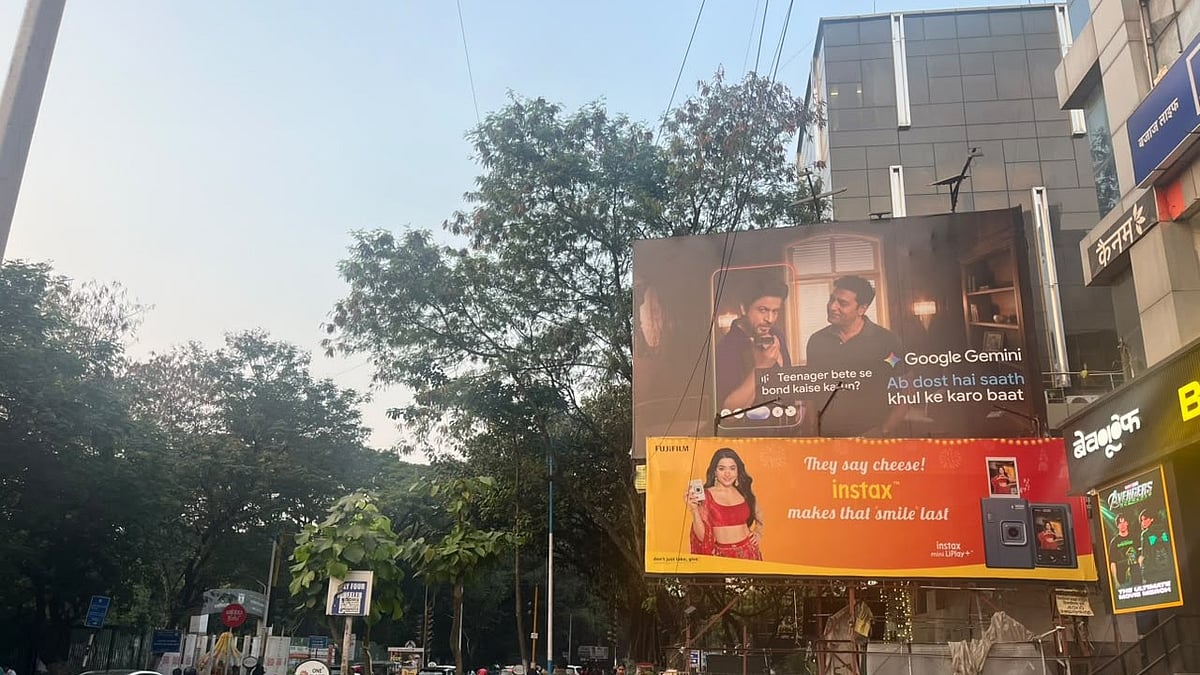
Pune: PMC Launches ‘Bhau Flex Kadha’ Portal, Invites Citizens To Report Illegal Banners | FPJ Photo
Pune: After launching a citywide crackdown on roadside encroachments, the Pune Municipal Corporation (PMC) has now turned its attention to another persistent civic nuisance: illegal flex banners and advertisement hoardings. In an attempt to curb the widespread display of unauthorised political banners, birthday greetings and promotional advertisements along roads and in public spaces, the civic administration has launched a dedicated online portal, ‘Bhau Flex Kadha’, inviting citizens to report illegal banners directly to the corporation.
Launched by Additional Municipal Commissioner Prajit Nair, the initiative seeks to make citizens active participants in the enforcement drive by allowing them to photograph illegal banners, submit their locations and track complaints. The portal, available at https://bhauflexkadha.pmc.gov.in, also aims to draw public attention to individuals and groups whose photographs and names repeatedly appear on unauthorised banners across the city.
Explaining the idea behind the initiative, Nair told The Free Press Journal, “Illegal flex banners have become a major problem in Pune. Several companies and big brands are misusing public spaces as advertising platforms without following the prescribed rules and regulations. We have witnessed serious incidents in the past, including cases where flex banners have collapsed and caused accidents. It is high time that we put an end to this practice. This initiative is not directly connected to the ongoing anti-encroachment drive. The Bombay High Court, in one of its earlier hearings, had also observed that municipal corporations can take initiatives such as creating portals to register public complaints and work towards improving the city. This portal is one such initiative by the PMC. We want citizens and organisations to follow the rules across every sector and department, whether it concerns flex banners, billboards, hoardings or encroachments. Our objective is to ensure that public spaces are used responsibly and that the city’s rules are followed.”
He added, “Rather than merely taking action against illegal advertisement boards across the city, the objective behind launching this website is to make those putting up unauthorised advertisements realise that their actions are being noticed. We believe this will help discourage the practice of putting up illegal flex banners.”
The initiative comes as the PMC continues its anti-encroachment operation against roadside vendors, shop extensions and illegal occupation of front and side margins of commercial establishments. With the administration also focusing on unauthorised advertisements, the portal aims to address a problem that has remained difficult to control through conventional enforcement.
Photograph, upload and track your complaint
The portal offers a simple mechanism for residents to report illegal flex banners. Citizens can visit the website, photograph an unauthorised banner and upload the image along with its location details. The system records the geographical location associated with the complaint, helping civic officials identify where the banner stands.
The portal allows users to submit one photograph from a particular location to avoid multiple entries concerning the same spot. Complainants can remain anonymous, and the system keeps their identities confidential. Once citizens register a complaint, the system generates a reference number, which they can use through the portal’s complaint-tracking facility to check the status of the action taken by the civic administration.
Following the submission, PMC staff will verify the location and initiate the process of removing the unauthorised banner. The portal provides three key stages: photographing the illegal banner, submitting its location and tracking the action taken by the corporation.
Explaining the importance of public participation, Nair said, “The number of unauthorised flex banners being installed across the city is considerably higher than what the department can monitor with its existing manpower. Therefore, we have decided to involve citizens so that information about such banners reaches the administration directly.”
‘Bhau’, ‘Dada’ and ‘Saheb’: A public scoreboard of flex culture
One of the distinctive features of the portal is its satirical ‘City Distortion Awards 2026’. Using photographs that citizens upload, the administration intends to compile figures showing whose faces appear most frequently on unauthorised displays.
The portal has separate categories for brands and public figures. Under the public figures category, the administration has introduced three tongue-in-cheek titles: ‘Bhau’, ‘Dada’ and ‘Saheb’. While ‘Bhau’ represents flex banners displayed in lanes, ‘Dada’ refers to those appearing at every major junction, and ‘Saheb’ is reserved for individuals whose banners are spread across the city.
The idea is to publicly highlight the extent of unauthorised banner displays and make those responsible aware of the visual pollution they create.
Nair said, “The intention is not just to remove the banners but also to make people aware of how much they are contributing to the defacement of the city. When the number of flex banners associated with particular faces becomes visible, it will create awareness and discourage people from putting them up.”
Limited staff, widespread violations
The PMC’s Sky Sign and Licensing Department has only 19 clerks and 150 labourers to monitor and address violations across the city. The limited workforce makes it difficult for the department to continuously monitor roads, junctions and public spaces where unauthorised advertisements frequently appear.
Political birthday greetings, welcome messages for visiting leaders, festival wishes, advertisements for property transactions and coaching classes are among the common types of unauthorised flex displays. These banners frequently appear on electricity poles, footpaths, road dividers and other public spaces, contributing to visual clutter and obstructing public areas.
Nair said the administration was looking at citizen participation as an important way to overcome these limitations.
“It is not practically possible for the department to keep a watch on every road, junction and public space at all times with the available staff. Through this portal, citizens can directly inform us about violations in their respective areas, making it easier for the administration to identify and act against illegal banners,” he said.
ALSO READ
From removal to accountability
The new portal marks an attempt to move beyond the conventional practice of merely removing illegal banners. By compiling information from citizens, the PMC intends to make the scale of unauthorised flex displays more visible and hold those repeatedly putting them up accountable.
The initiative also comes amid the civic body’s tougher stand on illegal advertisements. The PMC has warned that unauthorised hoardings, banners, flex boards and posters can invite criminal action, besides recovery of removal expenses and applicable penalties. Those responsible for installing them, individuals whose names or photographs appear on them as beneficiaries, printers, advertising agencies and event organisers may also face action under the applicable provisions.
The administration believes that making information about illegal flex banners publicly accessible could discourage political workers, organisations and advertisers from indiscriminately using public spaces for publicity.
While the portal provides citizens with a direct channel to flag violations, its effectiveness will ultimately depend on how quickly the administration verifies complaints and acts on them. Whether the initiative succeeds in discouraging political flex culture and keeping Pune’s roads and junctions free of unauthorised advertisements will become clear in the coming weeks.
RECENT STORIES
-
-
-
-
-