Mumbai Real Estate In 2026: ‘Future Of Middle-Class Is In Extended Suburbs,’ Says Owais Machhiwala
Owais Machhiwala, a Mumbai real estate expert with 18 years of experience, discussed the city’s changing property market with The Free Press Journal. He spoke about rising prices, extended suburbs, buying versus renting, community-specific housing and social media-driven FOMO. Owais advised homebuyers not to overextend financially, consider emerging suburbs and focus on securing their future

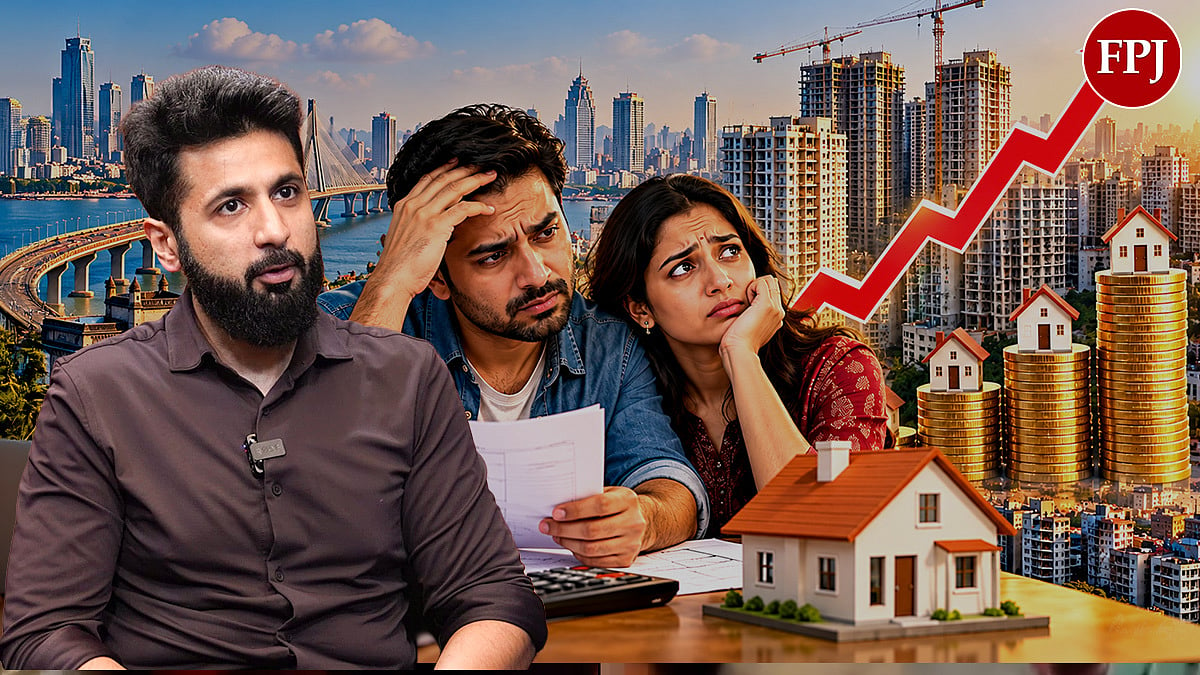
Mumbai Real Estate In 2026: ‘Future Of Middle-Class Is In Extended Suburbs,’ Says Owais Machhiwala |
Mumbai’s real estate market has changed dramatically over the past two decades, with rising property prices, limited land and expanding infrastructure reshaping how people buy homes. Owais Machhiwala, a Mumbai real estate expert with 18 years of experience, spoke to The Free Press Journal about the city’s changing property landscape. From why the middle class is increasingly looking towards extended suburbs to the realities of buying a home with a ₹1 crore budget, Machhiwala also discussed renting versus buying, community-based housing and the growing pressure of social media-fuelled spending.
Q. How would you describe Mumbai real estate in 2026 in three words?
Owais: Dynamic, growth, unaffordable.
Q. What is the biggest misconception about Mumbai’s real estate industry?
Owais: One of the biggest misconceptions is that every builder is a thief. There are a lot of very good builders and developers doing a tremendous job. Unfortunately, a few bad apples ruin the reputation of everyone. But buyers should educate themselves before making such a major life decision.
ALSO READ
Q. Where should middle-class homebuyers look today?
Owais: I think the future of the middle class is in the extended suburbs. Places like Thane, Panvel and other peripheral markets are becoming more accessible, especially with improving connectivity and metro infrastructure. My honest advice is: don't overextend yourself. Buy where you can afford. You can start with a one-bedroom home and expand later.
Q. Why have Mumbai property prices remained resilient?
Owais: The biggest reason is the lack of land. Mumbai is surrounded by the sea on three sides. However, affordable and well-connected pockets are now emerging. Prices can stagnate in an oversupplied micro-market, but they tend to get absorbed because there is genuine demand.
Q. If someone has ₹1 crore, should they buy a home in Mumbai or invest outside the city?
Owais: If ₹1 crore is everything you have, I wouldn't recommend putting it into land because land can also be difficult to protect and manage. For investment, there are options in places such as Karjat, Khalapur and Panvel. For staying, areas such as Mira Road, Vasai-Virar, Nalasopara, Naigaon and Panvel can offer larger homes within that budget.
ALSO READ
Q. Is there a thumb rule for deciding whether to buy or rent?
Owais: My thumb rule is simple. If you have the money, a steady income and the upfront amount required, and your EMI is not more than around 40% of your income, you can consider buying. Real estate can give good returns over a longer period, but it is an illiquid asset. Buy when you have the economic means to do so.
ALSO READ
Q. What do you make of community-specific housing in Mumbai? Is 'Vegetarian only' a thing in real estate today?
Owais: I don't think it is wrong for people to have dietary preferences or want to stay around their own community, but I don't think it is good overall when such practices become widespread. I believe the beauty of India is its pluralism. If that is lost, we lose an important part of the country's essence. Ghettoization is wrong but it is unfortunate that it is happening these days.
Q. FPJ published a report recently that said Varun Dhawan had to give an interview before buying a house. Do celebrities also have to go through interviews before buying homes in some societies?
Owais: It does happen. If the interview is about whether someone will be a nuisance to the society, I can understand that. But if a normal person living a normal life has to give an interview, I think that is a little bit of elitism.
ALSO READ
Q. Would you buy a distress-sale property?
Owais: Distress sales are real, but buyers need to investigate properly. There are genuine opportunities, but there can also be people trying to pass their problems on to someone else. Do your own investigation or use someone who understands the market.
Q. How much does social media influence people's spending decisions today?
Owais: There is a lot of FOMO. The moment you buy a new car or phone, that new feeling goes away in a few days. If you can sleep peacefully after making the purchase, buy it. But if you're going to be stressed about how you will make the payment, don't do it.
Q. What is your message to young Mumbaikars who feel owning a home is impossible?
Owais: People will be able to afford a home when they stop living under the FOMO factor. You don't need every new iPhone, expensive concert or international vacation. A home is a good way of securing your own future. But I don't think anyone between 20 and 30 should be struggling about buying a home.
Q. Where would you personally live in Mumbai if money wasn't a constraint?
Owais: I would love to stay in Malabar Hill. I love the sea and find the sound of waves relaxing. I also like the neighbourhood, greenery, infrastructure and social fabric.
RECENT STORIES
-
-
-
-
-