Delhi HC Leaves Child Social Media Restrictions To Centre, Says Matter Falls In Policy Domain
The PIL was filed by Kirti Dua, mother of a three-year-old child, and paediatrician Dr Sharad Gupta. They argued that unrestricted exposure of children to sexually explicit and inappropriate online content infringes their constitutional rights and exposes them to exploitation.

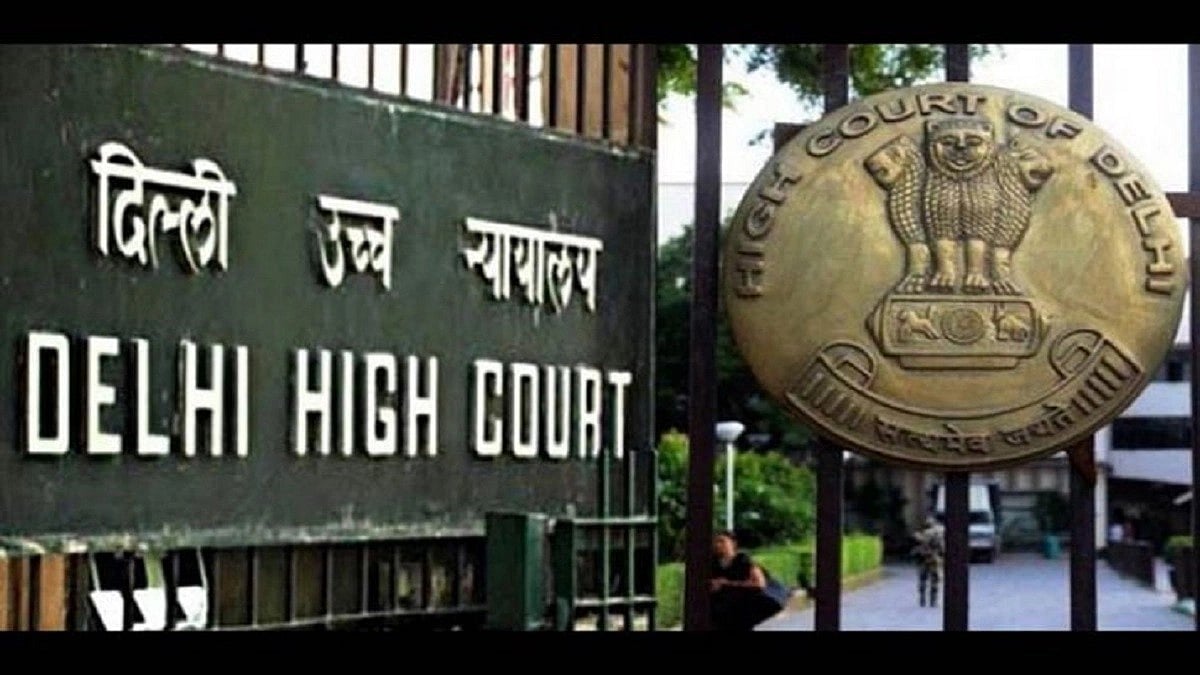
Delhi High Court | File Photo
The Delhi High Court on Thursday said that restricting or banning children’s access to social media is a matter of government policy and should be decided by the executive after consulting relevant stakeholders.
A Division Bench of Justices V Kameswar Rao and Manmeet Pritam Singh Arora disposed of a public interest litigation seeking restrictions on children’s access to social media and stronger measures to prevent Child Sexual Abuse Material (CSAM) online.
ALSO READ
The court said the Centre should examine the concerns raised in the petition and consider the suggestions made by the petitioners before taking an appropriate decision. It also stressed the need to consult social media platforms and other stakeholders. The Bench said it was not appropriate for the court to direct the government to impose specific bans or restrictions and did not prescribe any deadline for the Centre to act.
The PIL was filed by Kirti Dua, mother of a three-year-old child, and paediatrician Dr Sharad Gupta. They argued that unrestricted exposure of children to sexually explicit and inappropriate online content infringes their constitutional rights and exposes them to exploitation.
ALSO READ
The petition also referred to the Economic Survey 2025-26, which flagged concerns over growing social media addiction and mental health issues among young people. The petitioners argued that voluntary measures were insufficient and sought binding safeguards.
Appearing for Meta, Senior Advocate Arvind Datar said Facebook and Instagram had implemented extensive systems to detect and remove CSAM. He said proactive detection rates stood at 99.5% on Facebook and 95.2% on Instagram.
The petitioners sought directions requiring Meta to introduce stronger technology and audit mechanisms to identify and remove offending content. The court, however, left the issues for the government’s consideration.
RECENT STORIES
-
-
-
-
-