'Plan To Merge 3 Hospitals Into AIIMS-Like Hub To Boost PG, MBBS Seats': Delhi CM Rekha Gupta
Delhi plans to merge Guru Teg Bahadur Hospital, Delhi State Cancer Institute, and Rajiv Gandhi Super Speciality Hospital into an AIIMS-like institute. The move aims to boost MBBS and PG seats, optimise resources, and improve healthcare. The government also plans to upgrade IHBAS into a NIMHANS-like institute, strengthening medical education and services.

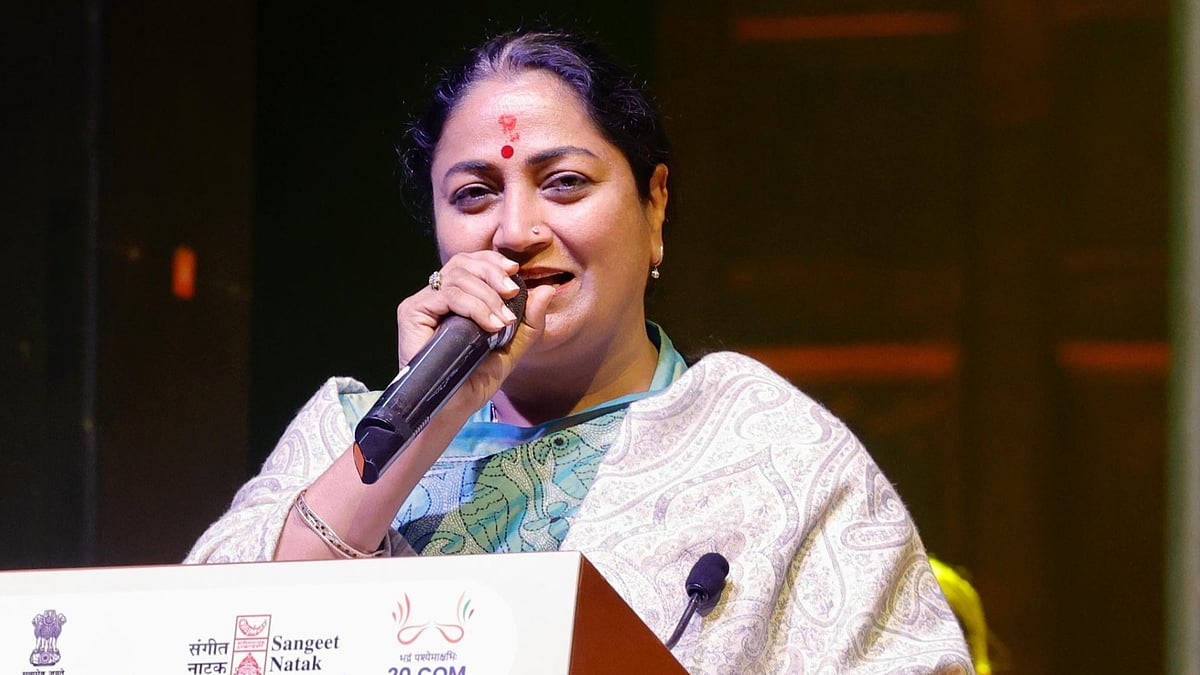
Delhi CM Rekha Gupta | File Pic
New Delhi: Delhi Chief Minister Rekha Gupta on Sunday said the proposed integration of Guru Teg Bahadur Hospital, Delhi State Cancer Institute, and Rajiv Gandhi Super Speciality Hospital into an AIIMS-like institute will significantly boost postgraduate and MBBS seats besides strengthening healthcare services in the capital.
According to an official statement, the Delhi government plans to merge the three hospitals to create an autonomous medical body on the lines of the AIIMS model.
It said efforts are also underway to develop the Institute of Human Behaviour and Allied Sciences (IHBAS) into a second National Institute of Mental Health and Neurosciences (NIMHANS-2).
The chief minister said a key objective of the initiative is to increase the number of postgraduate and MBBS seats so that more doctors can receive specialised training and the quality of healthcare can be improved.
ALSO READ
"By integrating institutions, we will be able to optimise faculty, infrastructure and advanced medical equipment, which will lead to better training opportunities for students and improved healthcare delivery,” Gupta said.
According to the statement, the departments currently operating separately across the Guru Teg Bahadur (GTB) Hospital, Delhi State Cancer Institute (DSCI), and the Rajiv Gandhi Super Speciality Hospital (RGSSH) will be integrated to address the fragmentation of resources and manpower, which has led to underutilisation.
It said that once integrated, the faculty members, including assistant professors, associate professors and professors, will be pooled together, leading to an automatic rise in PG seats as per medical norms.
“Combining faculty strength across institutions will directly translate into an increase in PG seats and help expand specialist training capacity,” the statement said.
ALSO READ
Departments such as radiology, pathology and anaesthesia are expected to see a significant increase in seats, with radiology likely to have around 22 seats, pathology nearly 26 and anaesthesia about 48 seats after the integration, it said.
The increase will also be supported by filling vacant faculty positions across hospitals, it added.
According to the statement, new PG courses will be introduced in specialised departments that currently do not offer such seats, particularly in DSCI and RGSSH.
At DSCI, around 26 new PG seats could be added in departments such as radiation oncology, nuclear medicine, cancer research and intensive care, while RGSSH is expected to see about 14 new seats in super-speciality areas like cardiology and cardiac surgery, it said.
ALSO READ
The statement also said that an increase in bed strength, patient load and faculty numbers will create scope for expanding MBBS seats in the future.
The initiative is aimed at positioning Delhi as a leading national hub for medical education, research and advanced healthcare services, it said.
(Except for the headline, this article has not been edited by FPJ's editorial team and is auto-generated from an agency feed.)
RECENT STORIES
-
-
-
-
-