India's Pulse Imports Plunge 31.52%, Domestic Production Jumps To 274 Lakh Tonnes Under Aatmanirbharta Mission
India's pulse imports fell 31.52 percent to Rs 31,794 crore in FY26 as domestic output rose to 274.09 lakh tonnes under the Rs 11,440 crore Aatmanirbharta mission, while exports also surged.

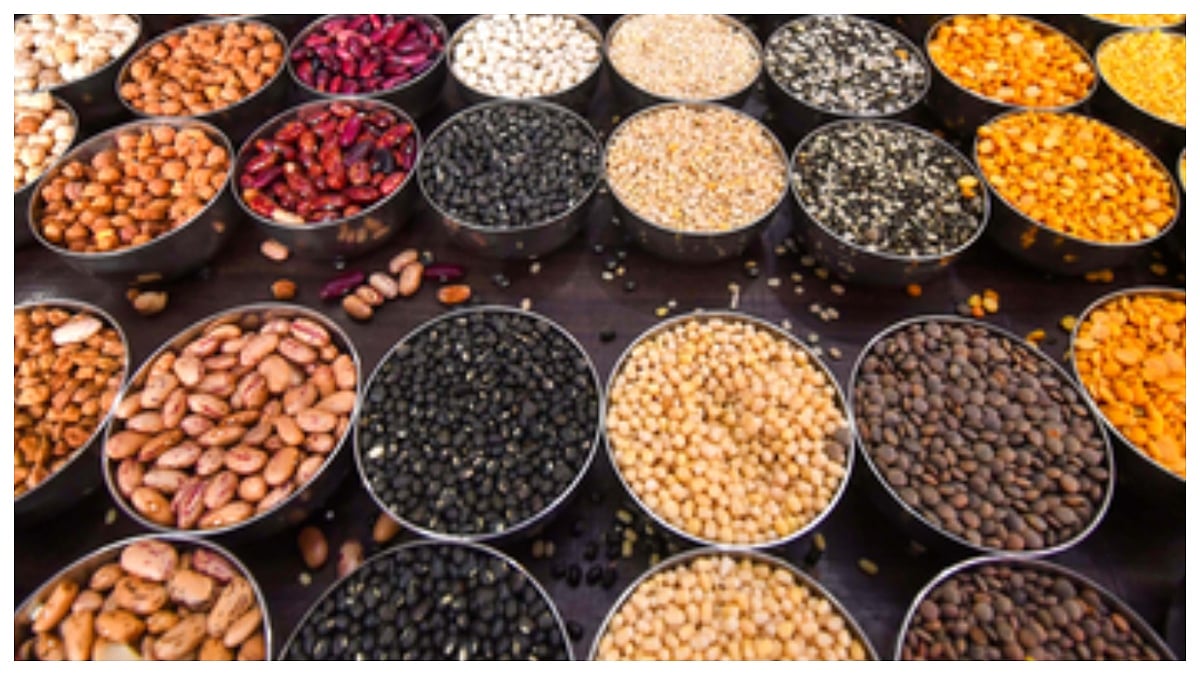
India's pulse imports fell 31.52 percent to Rs 31,794 crore in FY26. |
New Delhi: India's pulse imports dropped 31.52 per cent in 2025-26 as domestic production increased under the government's Mission for Aatmanirbharta in Pulses, according to an official factsheet released on Sunday.
The country's pulse production rose to 274.09 lakh tonnes in 2025-26 from 256.83 lakh tonnes in the previous financial year, reflecting improved cultivation and productivity.
Imports Fall, Exports Rise
The value of pulse imports declined sharply to Rs 31,793.59 crore in 2025-26 from Rs 46,427.60 crore in 2024-25, signalling reduced dependence on overseas supplies.
Meanwhile, exports increased 13.4 per cent to $969.53 million from $855 million. Export volumes reached 10.01 lakh tonnes, with China, the UAE, Bangladesh, the US and Sri Lanka emerging as major destinations.
Cultivation Area Expands
The area under pulse cultivation increased to 286.46 lakh hectares from 277.20 lakh hectares during the period.
National productivity also improved, with average yields rising to 957 kg per hectare from 926 kg per hectare.
Madhya Pradesh, Maharashtra, Rajasthan, Uttar Pradesh and Karnataka remain among the country's major pulse-producing states.
Rs 11,440 Crore Mission
Launched on October 11, 2025, the Mission for Aatmanirbharta in Pulses has an allocation of Rs 11,440 crore to strengthen domestic production and reduce import dependence.
The government aims to increase production to nearly 350 lakh tonnes and improve productivity to 1,130 kg per hectare by 2030-31.
The programme focuses on tur, urad and masoor, alongside climate-resilient seeds and improved farming practices.
Farmers Get Procurement Support
The mission covers 489 districts through cluster-based cultivation. It also provides for distributing 87.5 lakh free seed kits and 126 lakh quintals of certified seeds over six years.
Government agencies NAFED and NCCF are procuring tur, urad and masoor at minimum support prices from registered farmers.
The initiative seeks to strengthen farmer incomes, improve food security and boost India's agricultural self-reliance.
RECENT STORIES
-
-
-
-
-