E85 & E100 Fuel Explained, After E20 India Pushes Higher Ethanol Blends - What It Means For Your Car?
India is preparing to introduce E85 and E100 fuels after achieving E20 blending targets. These fuels contain higher ethanol content and aim to reduce oil imports and pollution. However, they will mainly suit flex-fuel vehicles, while regular petrol cars may face performance and compatibility issues with these fuels.

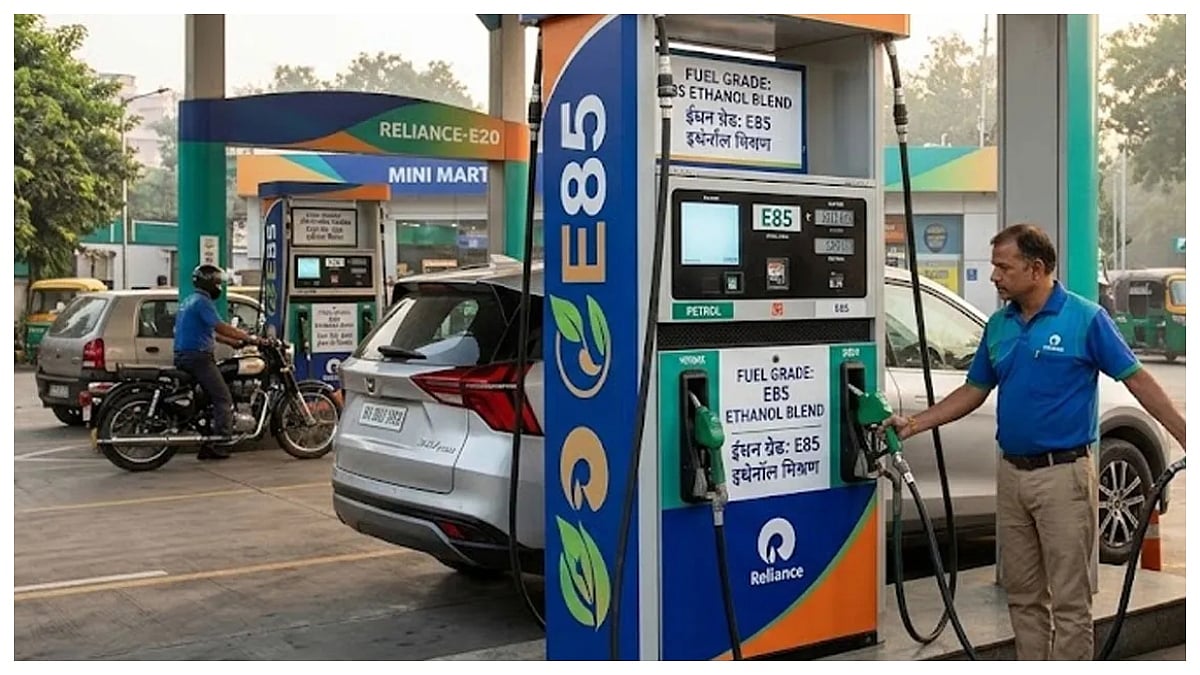
India is preparing to introduce E85 and E100 fuels after achieving E20 blending targets. |
Mumbai: After successfully implementing E20 fuel from April, the government is now preparing for the next step—introducing E85 and E100 fuels. Work on testing, safety standards, and technical rules is underway, and discussions have already taken place with automobile and oil companies. A government notification related to testing norms is expected within a week, which will formally begin the process for higher ethanol-blended fuels.
What are E85 and E100 fuels?
E85 fuel contains 85 percent ethanol and 15 percent petrol, while E100 is made entirely of ethanol. Ethanol is a biofuel produced from agricultural sources such as sugarcane and maize. It is considered a cleaner alternative to petrol, as it is renewable and can help reduce carbon emissions while also supporting the agricultural sector.
ALSO READ
Why is the government introducing these fuels?
The government’s push towards higher ethanol blending is aimed at reducing India’s dependence on imported crude oil and lowering pollution levels. At the same time, it is expected to benefit farmers by increasing demand for crops used to produce ethanol. This move is part of a broader effort to promote green fuels and strengthen energy security in the long term.
When will E85 and E100 be available?
Currently, the focus is on finalising testing procedures, safety standards, and technical guidelines. According to sources, a notification on testing could be issued soon. E85 is likely to be introduced first on a pilot basis, followed by a phased rollout. E100, on the other hand, is being considered a long-term plan and may take more time before it becomes widely available.
What happens if you use it in your car?
Flex-fuel vehicles are designed to run on different ethanol blends and can automatically adjust engine settings based on the fuel used. In such vehicles, higher ethanol fuels can offer better performance due to higher octane levels and can also reduce emissions. However, for regular petrol cars, using E85 or E100 can lead to several issues.
These may include damage to fuel pipes and rubber components, engine tuning problems, and starting difficulties. There is also a risk that vehicle warranties could become invalid. Additionally, since ethanol has lower energy content than petrol, mileage may decrease and fuel consumption could increase.
ALSO READ
What should car owners do now?
Car owners are advised to continue using only the fuel recommended by their vehicle manufacturer. Until clear guidelines are issued and compatible vehicles become more common, using high ethanol-blended fuels in regular cars should be avoided to prevent potential damage.
What lies ahead?
Going forward, the government will first complete testing and set uniform standards across the country. After that, automobile companies are expected to introduce more flex-fuel vehicles, which will support the wider adoption of these fuels. Once the ecosystem is ready, supply through petrol pumps can begin in a phased manner across India.
RECENT STORIES
-
-
-
-
-