Car Sales Gain Fresh Momentum Under GST 2.0, Maruti Suzuki Fast-Tracks Expansion And Capacity Investments
GST 2.0 has driven Maruti Suzuki’s passenger vehicle sales up 36 per cent and entry-car sales over 96 per cent, prompting the automaker to accelerate capital spending strategy now.

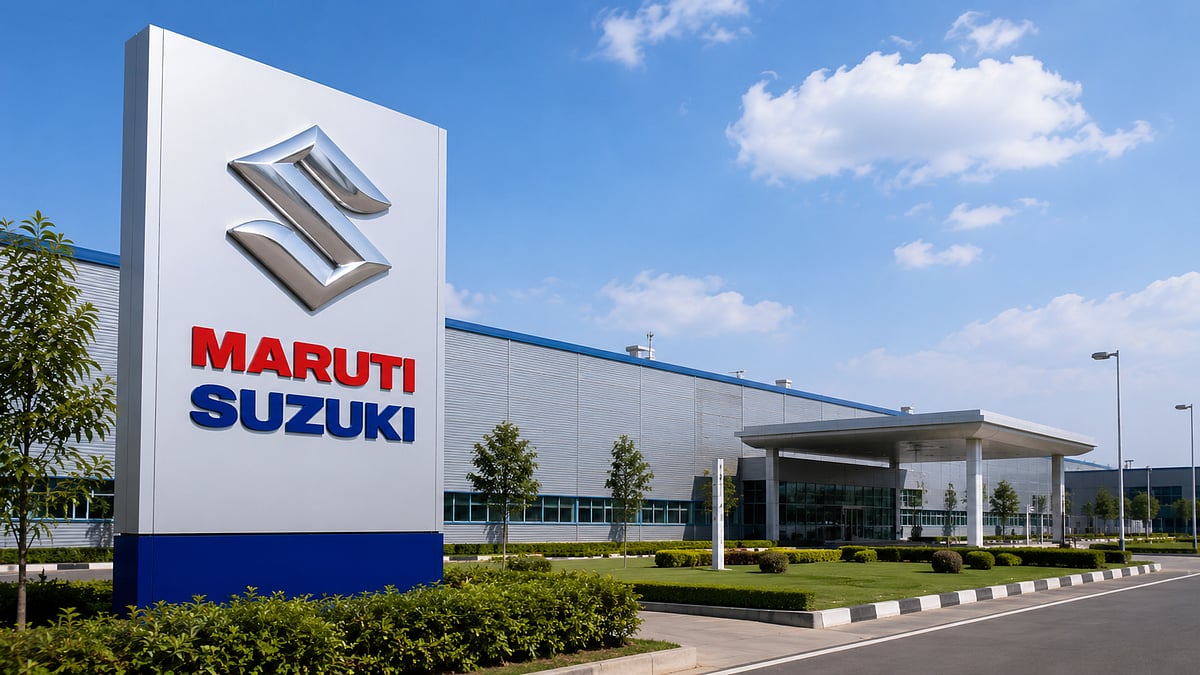
Car Sales Gain Fresh Momentum Under GST 2.0 |
New Delhi: Maruti Suzuki India is accelerating capital expenditure plans after GST 2.0 improved affordability and triggered strong passenger vehicle demand, CEO Hisashi Takeuchi said.
The carmaker’s passenger vehicle sales increased 36 per cent year-on-year between April and August 2026. Entry-level car sales surged more than 96 per cent during the period.
Takeuchi said the figures demonstrated consumer strength and the importance of affordable mobility. Greater scale could attract fresh global business, support exports and generate a multiplier through new investment.
Mahindra Records Broad-Based Momentum
Mahindra & Mahindra Executive Director Rajesh Jejurikar said GST rationalisation strengthened demand across automobile categories.
ALSO READ
Mahindra’s SUV sales grew 17 per cent, while light commercial vehicles and tractors grew around 20 per cent. Jejurikar said tax benefits helped absorb raw-material volatility that could have fuelled inflation.
The company plans to add electric vehicle production capacity of 4,000 units by March 2027.
Lower GST Improves Car Affordability
Effective September 22, 2025, GST on petrol, LPG and CNG vehicles was cut to 18 per cent from 28 per cent. The rate applies to vehicles below 1,200 cc and not exceeding 4,000 mm in length.
Diesel vehicles with engines up to 1,500 cc and length not exceeding 4,000 mm moved into the 18 per cent bracket.
Auto Retail Growth Accelerates
FADA President Sai Giridhar said more than 3 crore vehicles were retailed between October 2025 and August 2026, representing nearly 20 per cent year-on-year growth. Comparable growth before GST 2.0 was below 5 per cent.
Giridhar said lower on-road prices expanded the automobile market by bringing first-time and deferred buyers into showrooms. Rural demand has begun outpacing urban markets, while two-wheeler sales returned to levels last seen in 2018.
Manufacturers, however, continue to face cost pressures from volatile crude oil, commodities and currency movements.
RECENT STORIES
-
-
-
-
-