West Asia War Escalates: Iran Rejects Temporary Ceasefire Deal, Says Pause Will Let Enemies Regroup
Iran has rejected a ceasefire with the United States, warning that any pause in fighting could allow adversaries to regroup and launch fresh attacks. The move signals continued escalation in the West Asia conflict, with no immediate signs of de-escalation despite rising global concerns over regional stability and security.

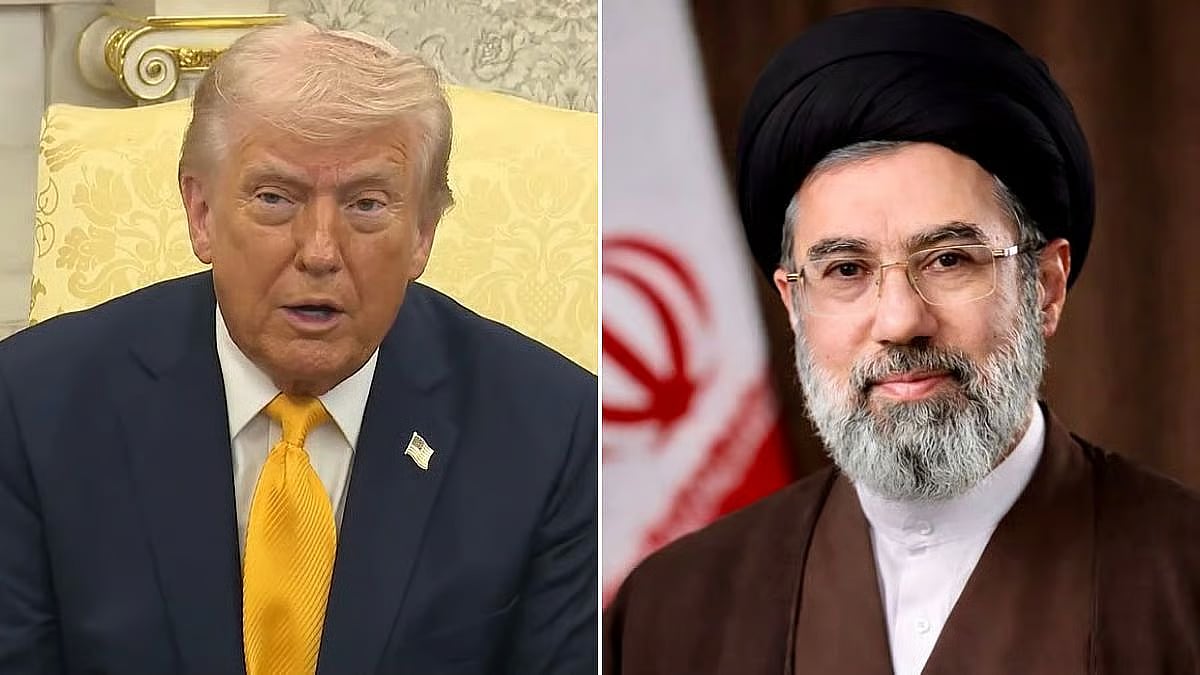
Amid rising tensions in West Asia, Iran has rejected the idea of a ceasefire with the United States, signalling that the conflict may continue without immediate de-escalation.
Iranian officials indicated that halting military action at this stage could be strategically disadvantageous.
‘Pause Could Help Adversaries Regroup’
According to Iranian authorities and news reports, any temporary ceasefire could allow their adversaries to regroup, reorganise forces, and resume attacks with greater intensity.
This concern has emerged as a key reason behind Tehran’s reluctance to agree to a pause in hostilities, despite growing international calls for restraint.
Conflict Shows No Signs of Slowing
The ongoing confrontation between Iran and the United States has already heightened instability across the region, with fears of wider escalation involving other West Asian players.
ALSO READ
Global Concerns Rise Over Escalation
The continued hostilities have raised alarms globally, particularly over critical trade routes and regional security.
With both sides holding firm positions, diplomatic efforts face significant hurdles, leaving the possibility of further escalation open.
Earlier, a fragile ray of hope had emerged in the escalating West Asia conflict, with reports by Reuters suggesting a possible pathway to end hostilities between the United States and Iran though uncertainty still looms over whether both sides will agree.
ALSO READ
Ceasefire Framework Proposed
According to a Reuters report, citing a source, a plan to halt hostilities could come into effect as early as Monday, potentially paving the way for the reopening of the strategically crucial Strait of Hormuz.
The framework, reportedly put together by Pakistan, has been shared with both Washington and Tehran. It outlines a two-tier approach an immediate ceasefire followed by negotiations toward a comprehensive long-term agreement.
RECENT STORIES
-
-
-
-
-