US-Iran Conflict: Donald Trump Weighs More Strikes & Economic Pressure As American Forces Stay In Middle East Into 2027
The US has extended its Middle East military deployment into 2027 as the Iran conflict shows no clear end. With around 50,000 troops and 19 warships in the region, prolonged deployments are straining personnel and equipment. Trump is weighing further strikes and economic pressure on Tehran while keeping military escalation on the table.

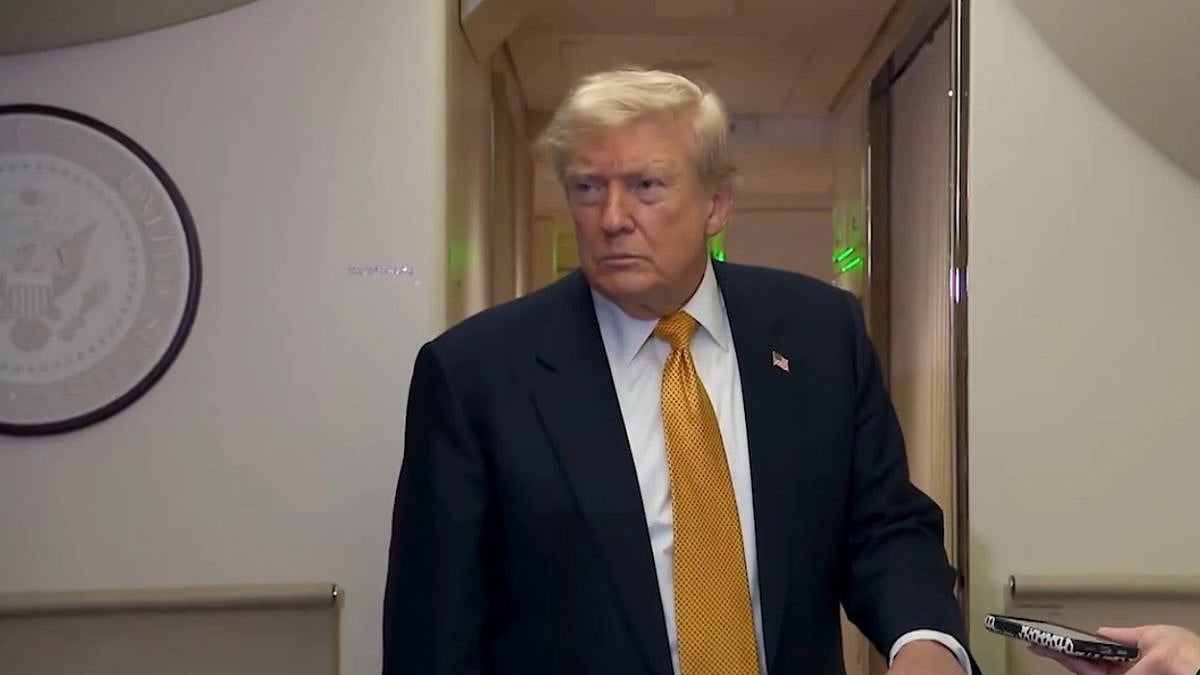
US-Iran Conflict: Donald Trump Weighs More Strikes & Economic Pressure As American Forces Stay In Middle East Into 2027 | X / PTI
US Defence Secretary Pete Hegseth has ordered an extension of the deployment of American military forces in the Middle East into 2027, according to a Wall Street Journal report. The move reflects Washington's increasingly open-ended approach to the conflict and is intended to provide US President Donald Trump with a wider range of military and economic options.
Trump is now faced with several possible courses of action, including tightening economic restrictions on Iran, continuing reciprocal strikes or taking the conflict into a broader phase of escalation.
What was initially described by Hegseth as a limited and decisive operation against Iran has expanded significantly. The US currently has roughly 50,000 personnel stationed across the region, alongside 19 warships, fighter aircraft squadrons, air defence systems and paratrooper units.
Extended deployments strain US military
According to people familiar with the situation cited by the Wall Street Journal, several military units are being asked to remain in the conflict zone beyond their originally scheduled deployments. This includes naval crews, air defence personnel and paratroopers.
The deployment period for Army air defence units has been increased from nine months to a year. Meanwhile, some units transferred to the region from Europe and the Pacific have already spent more than 12 months there.
The prolonged presence is placing additional pressure on American troops, their families and military equipment, raising concerns over the sustainability of the deployment.
US Navy faces growing pressure
The US Navy is also facing mounting strain. Its current Middle East deployment includes 19 warships, among them two aircraft carriers and 13 guided-missile destroyers.
The USS Delbert D. Black and USS Spruance, both deployed to the region at the start of the conflict, are now involved in enforcing the blockade. With crews of around 300 personnel each, the destroyers are spending extended periods at sea, limiting opportunities for normal rest and rotation.
ALSO READ
Washington pivots to economic pressure on Iran
At the same time, the Trump administration is increasingly turning towards a more aggressive economic campaign against Iran, with the aim of pressuring its leadership back into negotiations.
The Wall Street Journal report said Trump has privately discussed with senior advisers the possibility of declaring the war with Iran over. He reportedly believes sustained economic pressure could eventually compel Tehran to dismantle its nuclear programme.
"I like our position now much better, with almost total control of the Hormuz Strait, and their economy totally collapsing. They are just playing out the inevitable. When are the Iranian people going to rise up and fight?" Trump wrote on social media.
Trump's advisers are also worried that a prolonged or expanded conflict could hurt Republican candidates in the November midterm elections. Trump, however, has maintained that electoral considerations are not influencing his decisions on the war.
Trump warns of more strikes
Despite the growing burden on US forces, Trump said on Wednesday that Washington remains ready to carry out additional attacks against Iran "anytime we want".
"We're taking out a lot of ships; they can't see them because they have no radar because we blew it up," Trump said, adding that the US was prepared to launch further attacks "anytime we want."
Highlighting US intelligence and surveillance capabilities, Trump added, "We saw that they were building it. We see everything that they're doing. They can't move. They can't go to the bathroom without us seeing it. So we saw that. We took it out. We took out some other things..."
Alongside its military operations, Washington has also pledged to intensify economic pressure on Tehran, including measures to restrict Iran's economy and impose sanctions on countries and companies continuing to trade with it.
RECENT STORIES
-
-
-
-
-